FIA weighing up rule changes to save the 2026 Formula 1 season
F1 NewsThursday, 09 April 2026 at 08:33
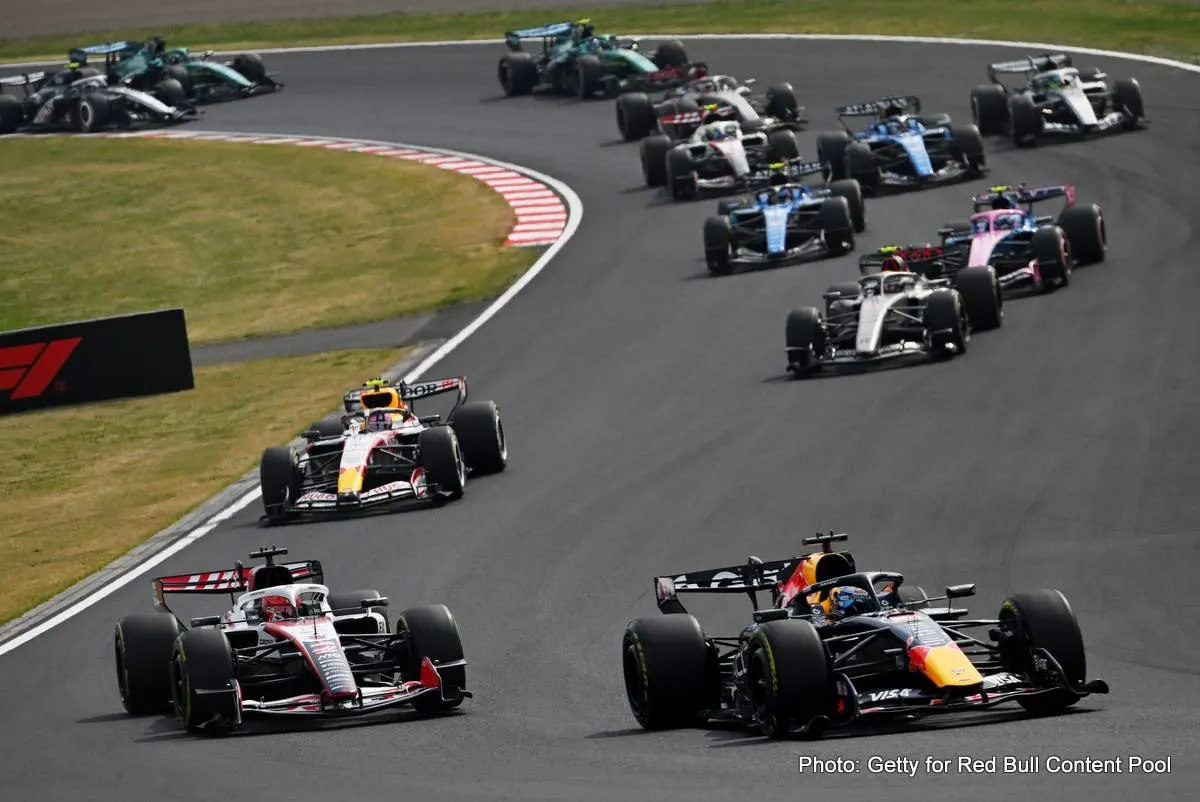
Plans are being made to fix the shambolic 2026 Formula 1 regulations, but is it too little, too late? And how soon can fans expect to see some actual racing?
F1 is taking a much-needed breather as the sport scrambles to tackle the myriad of issues facing this year’s cars. Fans have become irritated by fake Mario Kart-style overtaking, but there doesn’t seem to be an appetite to change this in the short term.
Instead, it was Ollie Bearman's horror crash at Suzuka that forced the FIA and Formula One Management (FOM) back to the negotiating table. He was lucky to escape the 50G impact with a minor knee injury. Drivers warned in pre-season that unpredictable closing speeds would cause accidents, but the powers that be didn’t listen. Now they’re facing the consequences.
The incident has prompted high-level meetings between technical chiefs, engine manufacturers, the FIA, FOM and the drivers. They’re expected to result in tweaks being made in the run up to the Miami Grand Prix. But before you get excited, these won’t fix F1 overnight.
They don't represent an apology either, or a retreat from underpowered hybrid engines. FOM and Liberty Media are still hell-bent on turning F1 into an entertainment product. They’re not even admitting that overtaking has become too artificial (despite drivers openly discussing this at every opportunity).
Laughably, the sport’s broadcasters are still playing cheerleader as well (we’re especially disappointed in you, Martin Brundle). So, genuine overtaking isn't top of the priority list. It’s more likely that improving safety and qualifying will come first. A return to real racing is still a long way off. These reforms will be one giant sticking plaster.
Plans to improve driver safety

One of the main aims will be preventing a repeat of the Bearman incident. Franco Colapinto took a fair amount of stick for his role in the crash. But he was merely harvesting energy while Bearman was in boost mode. This could happen again at any time, on any track.
Power dips on the straights are also an accident waiting to happen. F1 got away with it in Australia and Japan, but cars were losing 50-60 km/h on the entry to T9 and the iconic 130R. This generated artificial overtakes while risking a massive collision. The sport has a 107% rule for a reason: to prevent this kind of on-track speed differential.
Arguably, it’s most dangerous when drivers aren’t expecting to close so rapidly on the car in front. This may lead F1 to change how batteries are managed mid-race. Increasing the amount of energy drivers can harvest via super-clipping would likely reduce lifting and coasting (and by extension, erratic driving).
But is this really what we need? Bigger drop-offs on the straights? It’s embarrassing enough at the moment. Many TV directors are cutting away before fast corners. Hopefully teams find an alternative that reduces risk without making F1’s problems even worse.
First objective: Fix Formula 1 qualifying

At least one thing is agreed in the paddock: qualifying needs fixing, pronto. In the space of a few months, we’ve gone from tense, closely fought battles to a massive field spread and cars not being able to push to the limit. This is damaging to F1’s appeal, so FOM won’t allow it to continue (they have Saturday tickets to sell, after all).
Again, some regressive options are being considered here. Drivers have complained that pushing too hard in the early corners has left them vulnerable at the end of qualifying laps. Reducing available deployment would theoretically make their battery charge last longer.
But how would this limit be decided? It would probably need to change track-by-track, with teams voting each race. While this sounds a bit farcical, power limitation is something that teams were asked to experiment with in Bahrain, so it could still be on the table.
Ultimately, this won't appeal to fans, who aren't interested in an energy-saving championship. After all the cars will have less power overall.
Drivers need to be the heroes, not passengers. All this battery talk will go over most peoples' heads anyway. Give the drivers cars capable of racing, and leave them to it. If their machinery isn’t up to the job, a bigger overhaul may be needed.
How soon will reforms be introduced?

All the noise is pointing towards small rule tweaks being made in the coming weeks, possibly even in time for Miami. These will likely involve changing the way cars deploy energy. As recently as Japan, the FIA limited recharge rates in qualifying, so it's clearly on the cards. Although other options are still being weighed up.
Once teams have met and finalized their proposals, they will be weighed up by FOM and discussed in the run-up to Miami by all the team principals and the FIA.
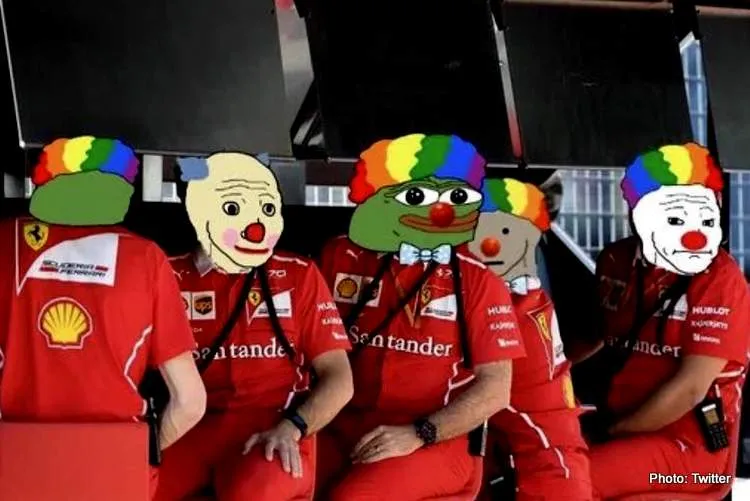
Mercedes are out front, and Ferrari have an advantage off the line—will they play ball? With battery management, they may not have a choice. But larger rule changes will require agreement among team bosses.
At least, it’s pretty much universally agreed that safety and the F1 spectacle need improving. The current rules are far too complicated for fans (and drivers) to understand. It's damaging the product and simplifying the rules is under active consideration.
F1 stalwarts might be dreaming of bigger overhauls like increasing fuel usage, changing active aero, and returning to V10 engines. However, this is wishful thinking.
The rules are locked in, and F1 has tied its hands. Small incremental changes will have to do. At least for 2026. Would anything genuinely change for 2027? No one knows, but it seems 2026 is a right-off for now...

loading
Latest News


Loading