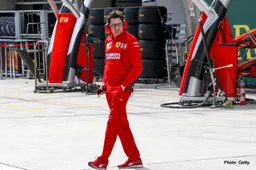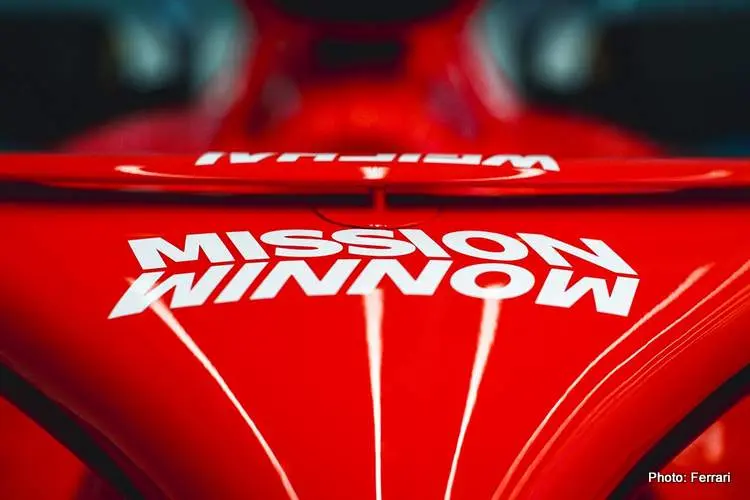
The controversial Mission Winnow branding seen on the Ferrari at a few races this year is set to stay off the red cars for the rest of the season in an effort to avoid a backlash from consumers and activists.
The high profile but vague promotional project was initiated by Philip Morris International (PMI) in an effort to have their branding on the sport's most iconic cars as they have done since the mid-eighties under the familiar Marlboro banner.
The new Mission Winnow project was never going to win over the sceptics and anti-tobacco activists who accuse PMI of using the convoluted initiative to peddle cigarettes to the one-billion smokers on the planet.
A PMI spokesperson said: "As announced at the start of the season, we may on a race-by-race basis provide opportunities to our partners to communicate messages in place of Mission Winnow.
"As was the case in Australia and Canada, Scuderia Ferrari will again celebrate their 90th anniversary on the livery and team uniforms at the Formula 1 GP in France this weekend. We will continue to share more information as appropriate ahead of each race."
Jacek Olczak, chief operating officer at PMI, explained, "We put Mission Winnow on the car and somebody told us it looks like Marlboro. I said: Look, I think you should go to a doctor, OK? Each of us has a history and we can entertain discussion about our history but the problem is none of us can change it – so can we focus on what we have today?”
Marlboro, along with several major tobacco brands are etched into F1 history, many iconic cars were adorned with the likes of JPS, Camel, Rothmans, Lucky Strike, Mild Seven and West branding.
Indeed tobacco money made McLaren what it is today. Lotus became a force in the late-sixties and seventies with their tie-up with Gold Leaf and JPS, while Williams was substantially backed by Camel and then Rothmans during their glory days.
Throughout the seventies through until the early part of this century, many drivers made it through the junior careers thanks to backing from either Marlboro and Camel, while teams thrived from tobacco money not only in the top flight but also just about every other racing series at the time.
Today, tobacco sponsorship is banned, but that has not stopped PMI from pumping around $150-million to the Maranello coffers annually for the privilege of being associated with the sport's most popular team.
However, from the moment the new branding broke cover on the red cars for last year's Japanese Grand Prix the Mission Winnow initiative was always on shaky ground. Critics claimed the brazen white letters on a bright red background was merely a deconstructed version of the familiar white chevron on their cigarette packaging.
Anti-smoking activist Vicky Salt, of Action on Smoking and Health, told the Telegraph that her organisation had “severe reservations” about the campaign.
“The association with a glamorous, popular sport and a healthy lifestyle, we feel is not compatible with the products PMI is promoting. It’s all very well for them to say it doesn’t promote specific products, but it does promote the brand, and their logos, and if you search Mission Winnow you will find their products," added Salt.
Big Question: What to do about F1's historic tobacco legacy?
https://www.grandprix247.com/2019/05/28/ferrari-drop-mission-winnow-for-canada-and-france/
loading
Latest News



Loading