Check out the latest update from FIA on revised ADUO timetable for 2026 Formula 1 season
F1 NewsMonday, 11 May 2026 at 14:48
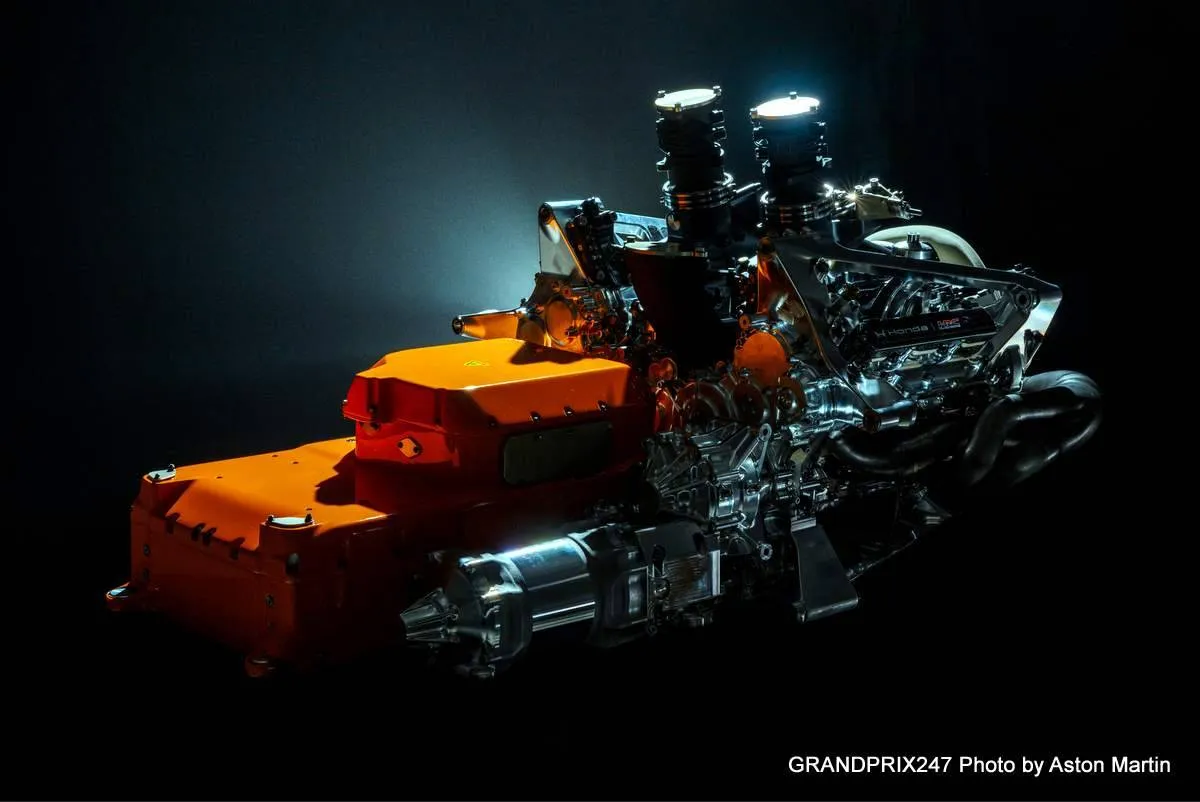
The FIA has confirmed a revised timetable for the 2026 Additional Development and Upgrade Opportunities (ADUO) system following the cancellation of the Bahrain and Saudi Arabian Grands Prix earlier this season.
The ADUO mechanism forms part of Formula 1’s new power unit regulations introduced for 2026 and is intended to help manufacturers close the gap to the leading engine supplier.
Under the system, the FIA measures the performance of every manufacturer’s internal combustion engine (ICE) at each race using a dedicated performance index.
Manufacturers found to be at least 2% behind the benchmark ICE will qualify for additional development opportunities.
Teams trailing by between 2% and 4% will receive 1 upgrade opportunity in both 2026 and 2027, while those more than 4% behind will be granted 2 upgrade opportunities this season and another 2 next year.
The first ADUO assessment period had originally been scheduled to conclude after the sixth round of the championship, initially expected to be the Miami Grand Prix.
However, with Bahrain and Saudi Arabia removed from the calendar due to regional instability, Miami became only the fourth round of the season.
Following a technical regulation amendment approved by the FIA World Motor Sport Council last Thursday, the first ADUO window will now close after round 5 in Canada on 24 June.
That means manufacturers granted ADUO status will be eligible to introduce updates from the following Monaco Grand Prix weekend on 5-7 June.
FIA adds further support measures for struggling manufacturers
The FIA also confirmed revised timings for the remaining ADUO windows during the season.
The second period will now conclude after round 11 at the Hungarian Grand Prix in July before the summer break, while the third and final window closes after round 18 in Mexico later in the year.
In a further move that could benefit struggling manufacturers such as Honda, the FIA has also approved expanded financial and dyno testing allowances for power unit suppliers judged to be 10% or more behind the leading benchmark.
The additional support measures will sit alongside the existing sliding scale restrictions already built into Formula 1’s power unit cost cap and development regulations.

Latest News



Loading