Can Cadillac Become Formula 1's Biggest Success Story of the New Era?
F1 NewsThursday, 18 June 2026 at 06:20
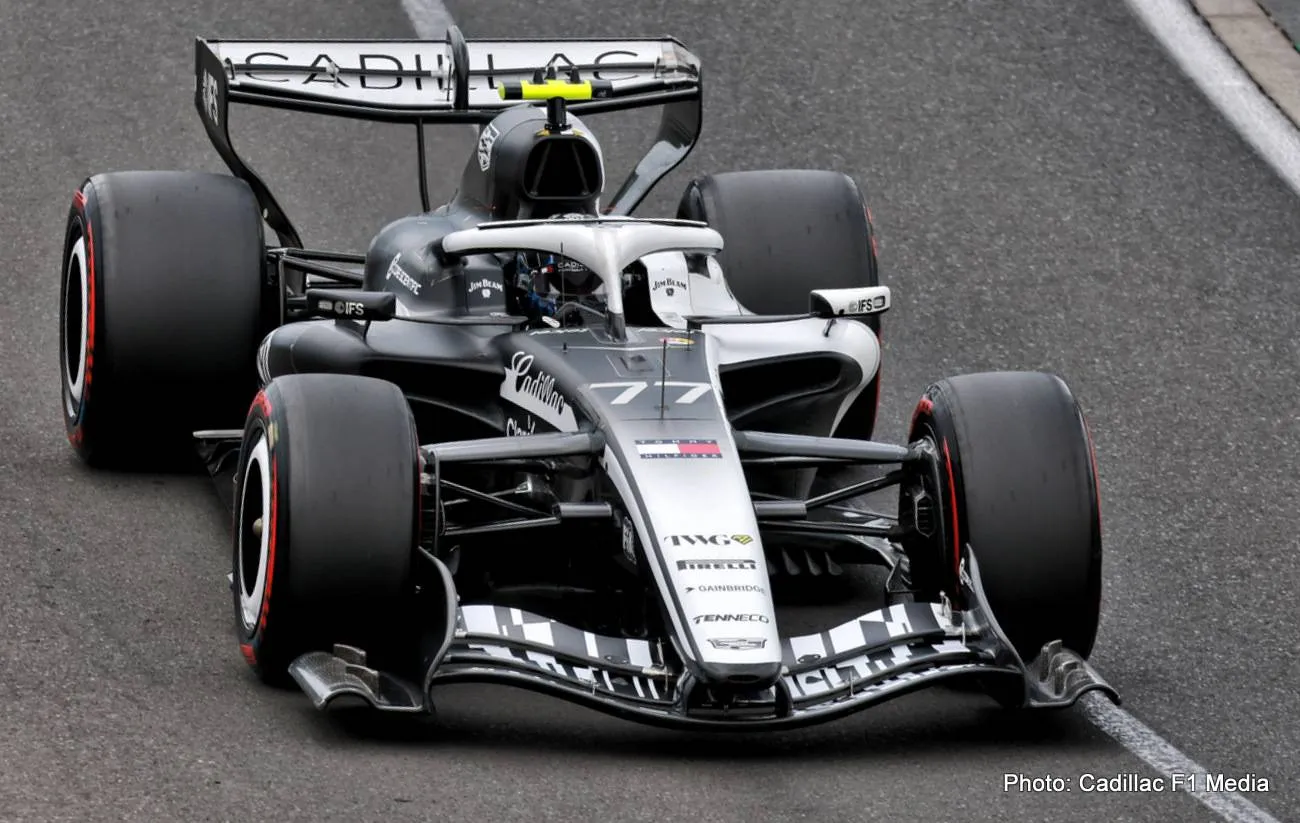
A new team entering Formula 1 always attracts attention. The sport has grown significantly during the last decade, new audiences continue to arrive, and manufacturers see value in participating at the highest level of international motorsport.
Yet history shows that joining Formula 1 and succeeding in Formula 1 are two very different challenges. That reality makes Cadillac's planned arrival one of the most interesting stories in modern racing. The project enters a championship that already features established organizations with years of technical knowledge, extensive infrastructure, and experienced personnel.
At the same time, changing regulations and shifting market conditions create possibilities that did not exist in previous eras. Discussions around Formula 1 often extend beyond the racing itself. Fans debate team strategy, championship odds, and future developments across online communities.
Those conversations frequently overlap with other forms of digital entertainment, including prediction games and betting platforms such as baxter bet, where motorsport followers track race weekends from a different perspective.
The growth of these discussions highlights how Formula 1 now reaches audiences far beyond traditional racing circles. The question remains straightforward.
Can Cadillac become the defining success story of Formula 1's new era? The answer depends on far more than branding, publicity, or initial excitement.
Why Timing Matters

Formula 1 rarely offers ideal entry conditions for newcomers. Most teams spend years refining processes, developing facilities, and building technical departments. A new organization typically begins with fewer resources in terms of experience and operational continuity.
Cadillac arrives during an unusual period. The sport continues expanding in North America. Race attendance remains strong. Media coverage has increased dramatically. Commercial interest continues to grow. These factors create a favorable environment for any new entrant that wants to establish a long-term presence.
The upcoming regulatory cycle also plays a major role. Major rule changes often reduce the advantage accumulated by existing competitors. Teams must develop fresh solutions instead of relying entirely on concepts perfected over several seasons. While experienced organizations still benefit from knowledge and infrastructure, regulation changes can narrow certain performance gaps.
That does not guarantee immediate competitiveness. It simply creates conditions where rapid progress becomes more realistic.
The Challenge of Building From Scratch

Every Formula 1 team faces the same fundamental objective. Build a fast car. That sounds simple until one considers the scale of work involved.
Modern Formula 1 operations require specialists across countless disciplines. Engineers, aerodynamicists, software developers, manufacturing experts, strategists, simulation specialists, and mechanics all contribute to performance. Success depends on coordination as much as individual talent.
A racing organization cannot simply hire skilled employees and expect instant results. Departments must communicate effectively. Development programs must align with long-term goals. Decision-making processes must function efficiently under constant pressure.
Several factors determine whether a new entrant can progress quickly:
| Area | Importance |
| Technical leadership | Guides development direction |
| Recruitment strategy | Builds expertise across departments |
| Facilities | Supports design and manufacturing |
| Simulation tools | Improves testing efficiency |
| Operational execution | Maximizes race weekend performance |
Each category influences the others.
Weakness in one area often affects multiple aspects of the project.
Lessons From Previous New Teams

Formula 1 history contains numerous examples of ambitious entries. Some organizations arrived with significant expectations yet struggled for years. Others gradually established themselves through patience and consistent investment.
The common pattern appears surprisingly clear. Teams that treat Formula 1 as a long-term project generally achieve more sustainable results than those seeking rapid success. Building competitiveness requires time.
Development cycles span multiple seasons. Infrastructure investments often produce benefits years later. Recruitment decisions may not show their full value immediately.
Cadillac appears aware of this reality. Public discussions surrounding the project focus heavily on long-term planning rather than short-term targets. That approach aligns with how successful organizations typically grow within Formula 1. Patience may prove just as important as technical capability.
The Importance of Technical Partnerships

No modern Formula 1 team operates in isolation. Partnerships influence everything from power units to engineering support and manufacturing processes. Strong relationships can accelerate development and reduce early-stage challenges.
For a new entrant, collaboration often provides valuable stability during the first seasons. Teams must balance two objectives.
First, they need access to proven technology and expertise. Second, they must develop their own identity and technical capabilities over time. Finding that balance rarely happens overnight.
Organizations that rely too heavily on external support may struggle to establish independent competitiveness. Teams that attempt to do everything alone often face unnecessary obstacles. The most effective strategy usually lies somewhere in between.
North America's Growing Influence

Formula 1's relationship with North America has changed dramatically. For many years, the region occupied a smaller role within the sport's commercial structure. Today, that situation looks very different.
Race weekends attract large crowds. Television audiences have expanded. Sponsorship interest remains strong. Manufacturers recognize the commercial value of participating in a championship with increasing visibility across the continent.
Cadillac enters Formula 1 at a moment when American interest stands at one of its highest levels in decades. That environment creates several advantages.
The project benefits from stronger public awareness, broader media attention, and growing interest from potential partners. These factors do not directly improve lap times, but they can strengthen the business foundation required for long-term competition.
Financial stability often influences racing performance more than many fans realize.
Driver Selection Could Shape Early Progress

Every Formula 1 project eventually reaches the same question. Who drives the car?
Driver choices influence far more than race results. Experienced racers contribute feedback during development. They identify weaknesses, suggest improvements, and help engineering teams understand how the car behaves under different conditions.
A new team often benefits from at least one driver with extensive Formula 1 experience. Knowledge accumulated across hundreds of race weekends can accelerate organizational learning. Small observations sometimes prevent costly mistakes.
At the same time, younger drivers may offer long-term potential and future growth. Balancing experience with development remains one of the most important decisions facing any new entrant. The right combination can improve both present performance and future planning.
Why Expectations Need Careful Management

Excitement often creates unrealistic expectations. Fans naturally imagine dramatic success stories. Media coverage frequently focuses on best-case scenarios. Social media discussions can make rapid progress seem inevitable.
Formula 1 rarely works that way. Even talented organizations face setbacks. Development programs encounter delays. Technical concepts fail. Rivals improve faster than expected.
These challenges affect every team. The most successful organizations typically respond through consistent problem-solving rather than emotional reactions.
Cadillac's long-term prospects may depend less on its first season and more on how effectively it handles inevitable difficulties during the early years. Progress in Formula 1 rarely follows a straight line.
Areas That Could Determine Success

Several key factors will likely shape the project's future.
- Efficient recruitment of experienced personnel.
- Strong technical leadership.
- Long-term financial commitment.
- Effective use of simulation and development tools.
- Realistic performance targets.
- Stable organizational structure.
- Continuous improvement across multiple seasons.
None of these factors guarantees results individually.
Together, however, they create the conditions necessary for sustainable growth.
Formula 1 rewards organizations that execute consistently over extended periods.
What Would Success Actually Look Like?

This question deserves careful consideration.
Success does not necessarily mean winning championships immediately. In fact, such expectations often create unrealistic benchmarks.
For a new Formula 1 entrant, success may include:
- Establishing competitive midfield performance.
- Building strong technical infrastructure.
- Developing internal expertise.
- Achieving operational consistency.
- Creating a foundation for future title challenges.
These objectives may appear modest compared with championship ambitions, but they often represent essential steps toward long-term competitiveness.
History shows that sustainable progress generally produces stronger outcomes than rapid expansion followed by instability.
The Road Ahead

Cadillac enters Formula 1 during a fascinating period for the sport. Growing audiences, regulatory changes, and increasing North American interest create circumstances that differ significantly from previous entry attempts.
Yet opportunity alone never guarantees results. Formula 1 remains one of the most demanding environments in professional sport. Success requires technical excellence, operational precision, effective leadership, and patience over many years.
The project possesses several encouraging factors. Strong commercial momentum surrounds the sport. Long-term planning appears central to the approach. Regulatory changes may create openings for ambitious newcomers willing to invest in development.
Whether Cadillac ultimately becomes the defining success story of Formula 1's new era remains impossible to predict with certainty.
What seems far more certain is this: the project will provide one of the most closely watched tests of how a modern manufacturer can enter Formula 1 and attempt to build competitiveness from the ground up. The outcome will not depend on headlines or early excitement.
It will depend on thousands of technical decisions, years of development work, and the ability to improve steadily while competing against some of the most sophisticated racing organizations in the world.

Latest News




Loading