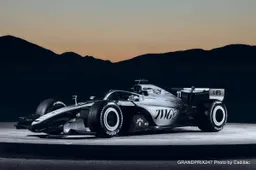
Andrea Stella claims there won't be marked performance differences between 2026 F1 power unit
F1 NewsMonday, 09 February 2026 at 07:11

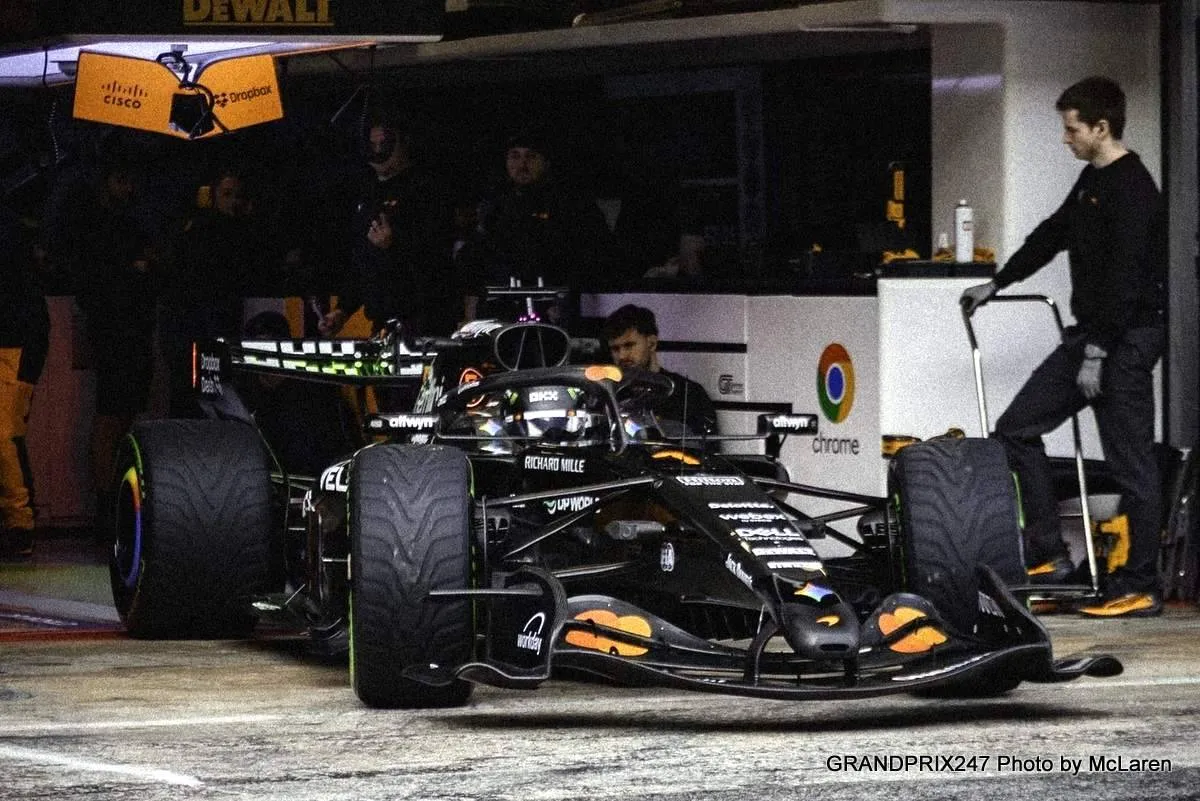
McLaren Team Principal Andrea Stella claims, based on what we have seen in the private Barcelona test, that there will be no marked differences between 2026 Formula 1 power unit performances.
That statement was given by Stella in an interview with the McLaren website as the Italian reflected on the outcome of testing and when asked about his thoughts regarding the competitive order of 2026.
He said: "In terms of performance, it is obviously very difficult to give an objective assessment, as we do not know the other teams' work programmes, fuel levels, or work schedules.
"In addition, the environmental conditions were quite different from what we normally experience on race weekends.
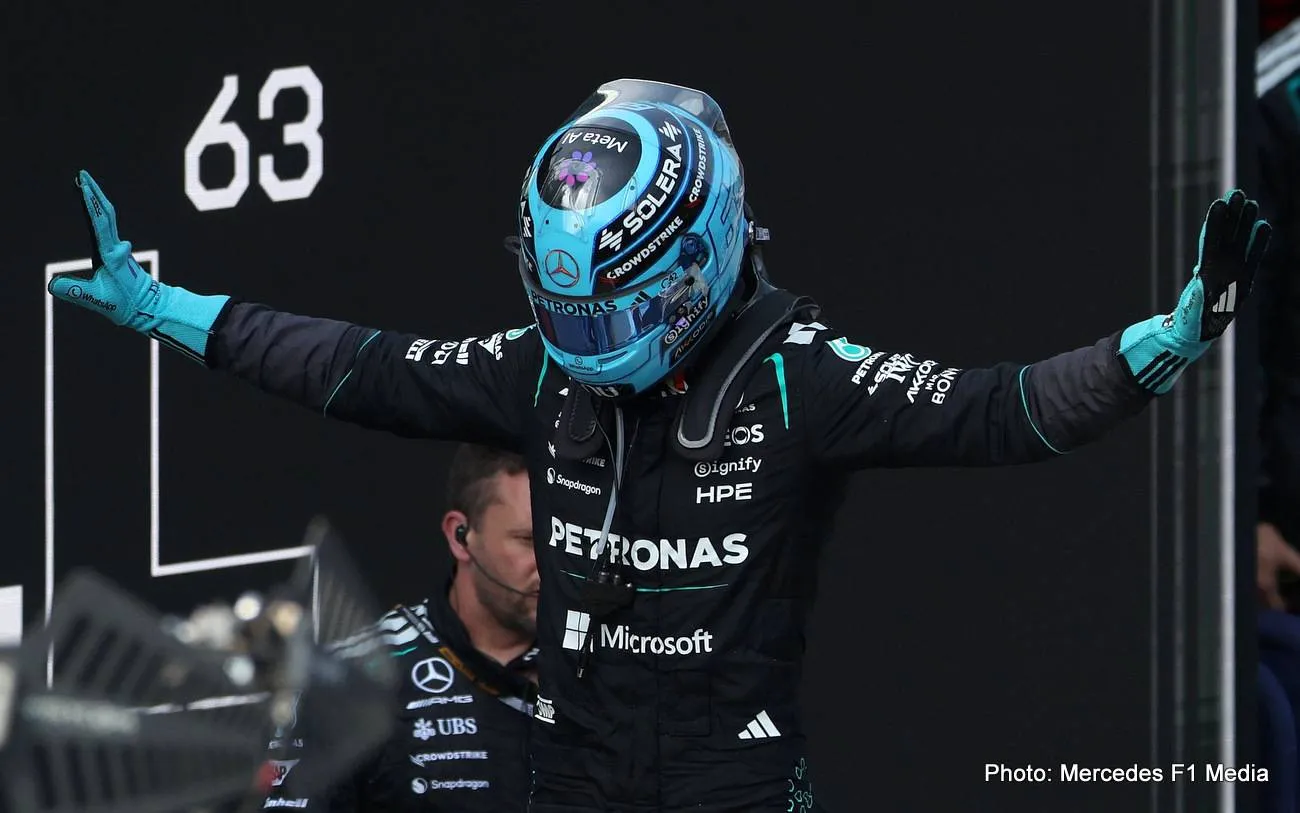
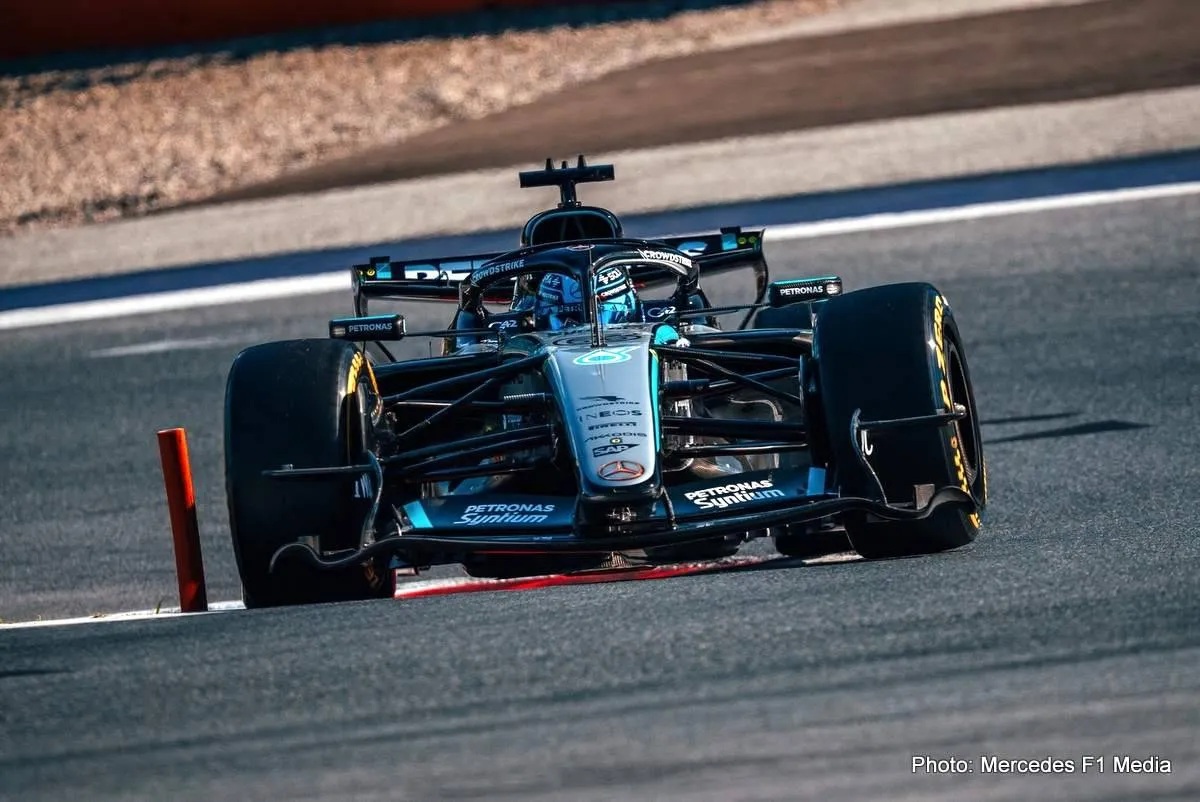
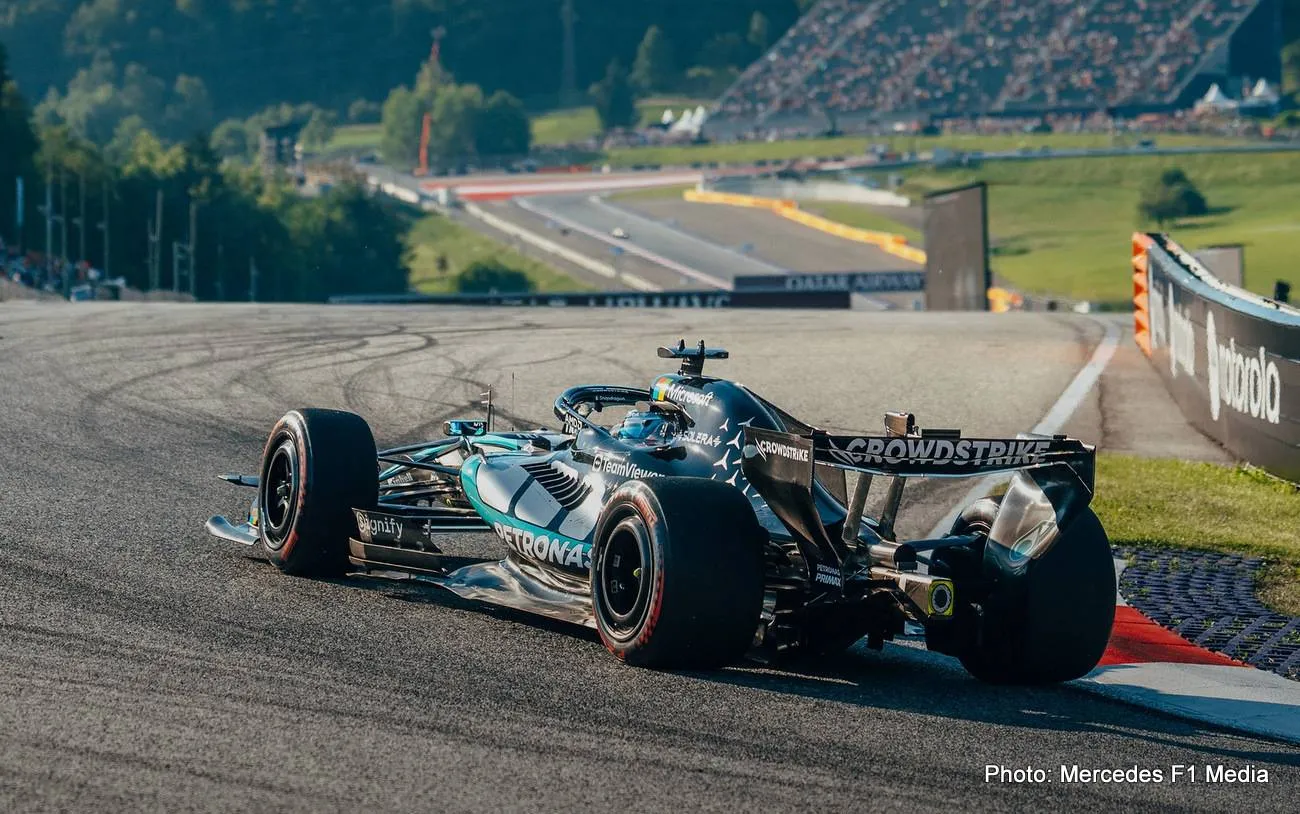
"That said, it is clear that there are at least three competitors—Mercedes, Ferrari, and Red Bull—who have all got off to a good start," the McLaren boss pointed out. "In particular, the Brackley team has definitely raised the bar, and we will have to work hard to do the same.
"The fact that the three teams I mentioned are equipped with three different power units is a first indication that there may not be extremely marked differences in terms of absolute performance, at least as far as some of the PU suppliers are concerned," he stated.
Naturally, as F1 is entering a new era of regulations on both the power unit and chassis fronts, the emphasis will be on development as each team will be looking to gain performance from the concept they have adopted, which, according to Stella, will create a different picture as the 2026 season progresses.
He explained: "More than ever before, this year it will be the ability of the teams and drivers to exploit the package at their disposal, as well as the ability to develop the car in the right direction, that will make the difference.
"In any case, what we see in the first part of the season in terms of the balance of power will almost certainly not be the same as what we see in the second part, precisely because the effects of car development in an early phase, such as the one we are experiencing now, can only be very significant."
Reliability still a concern?

The last time F1 issued new power unit regulations was in 2014, the first V6 turbo-hybrid era, and back then, only Mercedes managed to deliver a strong, reliable package while rivals, notably Renault and Honda, struggled.
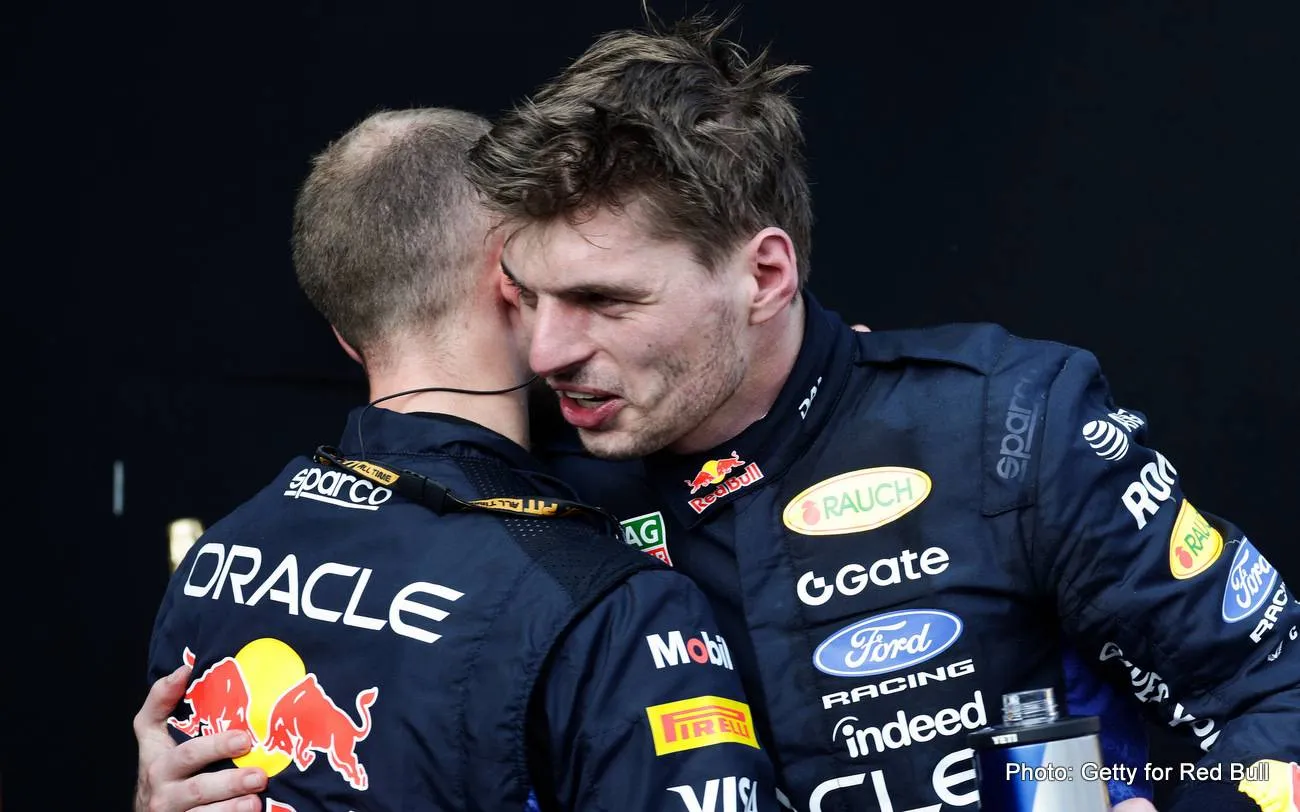
But Barcelona showed that was not the case in 2026 as Red Bull impressed with the reliability of their first F1 power unit they built with Ford, while newcomers Audi had issues but not as dramatic as those seen in 2014.
Stella commented: "In general, I think the teams have shown a high level of preparation for the debut of the new generation of cars.
"Those who feared a repeat of what happened 12 years ago at the debut of the hybrid power units saw their fears vanish fairly quickly.
"In terms of the power unit, we saw that even those who brought the engine to the track for the first time managed to accumulate a good number of kilometers.
"Rather, the reliability issues that slowed down the work on the track, at least as far as we are concerned, were mainly related to the enormous complexity of the 2026 car system," he clarified, "and I would like to applaud our team, who worked with extraordinary commitment, day and night, to allow us to almost completely make up for the time lost at the beginning.
"It was a bit like going back a few years, when the very first winter tests regularly went on into the small hours, but I am sure that as the teams get to know the cars better, everything will return to normal," the Italian concluded.
Latest News



Loading