Cadillac's F1 Team are Using a Virtual Spanish Grand Prix to Train Drivers
F1 Teams NewsThursday, 26 March 2026 at 06:01
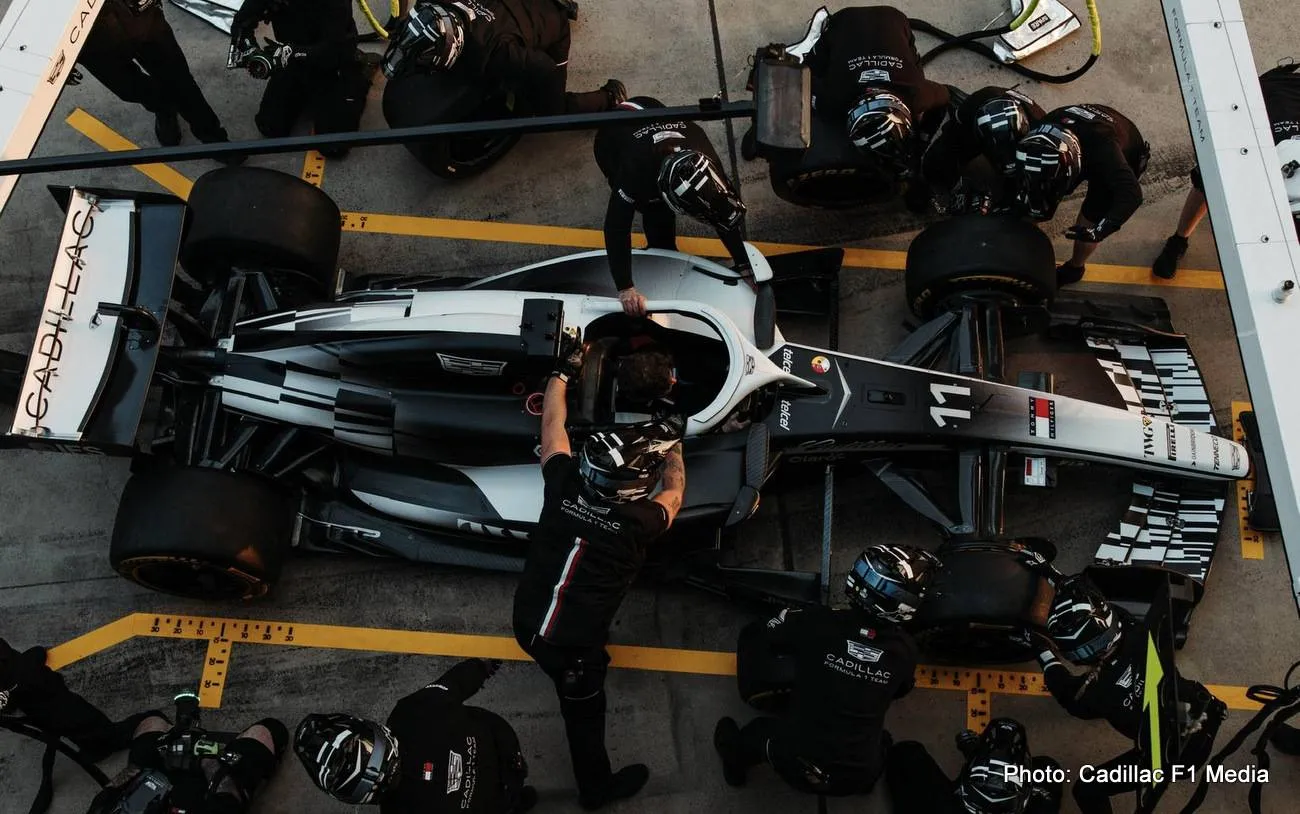
Cadillac’s Formula 1 Team have been utilising simulation technology to try and run virtual races that correlate to real-life events. Operating at GM’s Charlotte Technical Center, they used live data to help them in their debut season.
In motorsports, we are seeing a sharp rise in advanced virtual technology,
which reflects a much wider trend. The idea of participating remotely is
embedded in our lives, with technology used to create realistic and interactive
alternatives. Virtual reality platforms, like Google Earth VR, allow people to
explore cities as well as natural wonders from the comfort of their own home.
Even museums and archaeological sites are offering immersive virtual tours,
which help people feel connected, even though they may be thousands of miles
away. In entertainment, the same concept is very evident. In music, we are
seeing virtual experiences connect people from across the world. Nightwish, for
example, created the Islander’s Arms, a VR tavern where the band played to
thousands of streamers.
In other verticals, like iGaming, players can also engage in Sky Vegas slots. Titles like Vegas
Tycoon emulate the lights and immersive experience of Vegas, but in a virtual
format. The Fortune Hotel slot game, however, draws inspiration from the
popular TV show, which is set in the Caribbean, meaning you don’t have to travel
to feel part of, or connected to, experiences, with this only being possible
with the technical advancements that have been made.
Simulation has Proved Beneficial for the Team
Interestingly, sim racing platforms
like iRacing also enable drivers to compete on accurately generated tracks.
Over time, professional racers are now using these tracks to train on and to
refine their skills. Not only does this allow for immersion, but it also
supports how powerful digitally connected experiences can be, and for Cadillac,
it could be its ticket to winning.
Simon Pagenaud, who is the
Indy 500 winner of 2019, has taken on the role of the simulation driver.
He’s supported by a full team of engineers who helped fine-tune various racing
elements, including race engineering, vehicle performance, and even tyre
wear.
The goal wasn’t just to make sure that the car is in top condition and able
to withstand expected conditions; it was also to make sure that the team
dynamic is in place for when the Australian race starts. As engineers on F1
teams work remotely to analyse data in real-time, decisions have big
consequences, but by using simulations, it becomes possible to anticipate and
time how long it takes to tweak a car, and the overall impact the decision has.
The team is expected to debut in the Australian Grand Prix, but thanks to
simulations and virtual technology, it seems that they are now able to approach
the race with much more confidence.
If you want to follow Cadillac on its journey to the Grand Prix, then What
Makes Fast shows their journey right up to the first appearance. The last
episode is due to air in April 2026 and delves into the team’s approach and how
they used technology to gain the edge on the track.
Latest News
Loading