The new-for-2026 Formula 1 regulations are completely different. But are the new aero and the power units the greatest equalizer?
With Formula 1 fast counting down to its biggest revolution since most can remember, the focus is fixed on how the teams embrace allegedly the most profound regulatory changes in its history.
How and what each outfit is doing remains to be seen. But it seems Ferrari is focused on something completely different from what most may expect.
With massive changes on both the chassis and power units, it would probably be rational to believe that the major attention in the build-up is being spent around those critical aspects. Of course, Ferrari’s 2026 effort hinges around both. Its adoption of steel alloy cylinder heads contributes to both the search for reliability and the aero advantages that running a small engine will bring.
It’s not in the car. It’s in the tyres…

Yet it seems that Maranello sees another factor outside the wind tunnel and engine shop as its biggest 2026 challenge.
“This whole process started four years ago, before I even arrived at Ferrari,” team boss Frederic Vasseur opened up on the challenges of the coming season. “The first step to decipher the regulation. We've known the engine regulation for four years, so we’re pretty well on top of all that. Same goes for the aero.
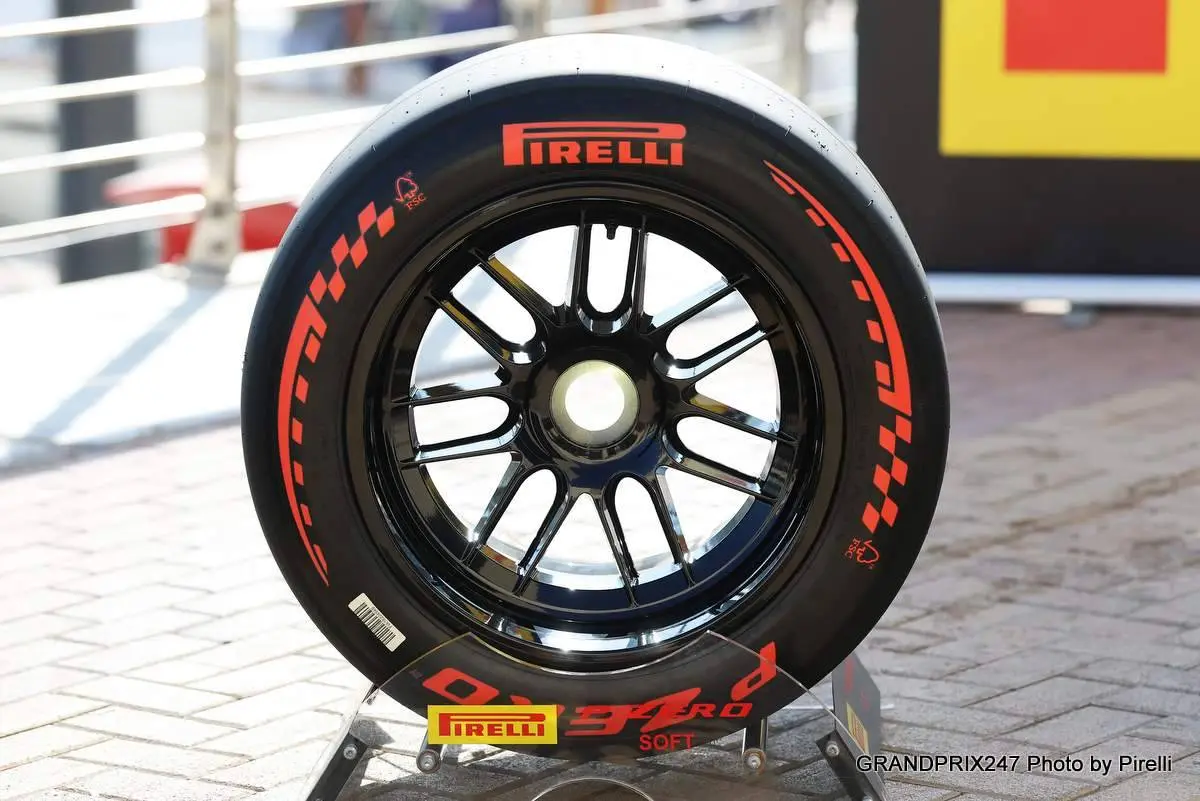
“The real challenge is rather the tyres,” he continues. “We only received the final regulation at the end of 2024, so the real rebus remains the tyres.
"We only tested the new 2026 rubber at the Abu Dhabi end-of-season test a month ago. So we’ve had very little time to understand or decipher how these new tyres will perform. So it’s been very difficult to make predictions, not knowing some of the most important tyre parameters.
"Of course, we are not alone in this, but whatever the outcome, we should be able to correct any issues we come across," Vasseur concluded.

loading
Latest News



Loading