Outside Line: Defining moment for our sport in Miami. Will Formula Domenicali save Formula 1?
F1 OpinionThursday, 30 April 2026 at 18:51
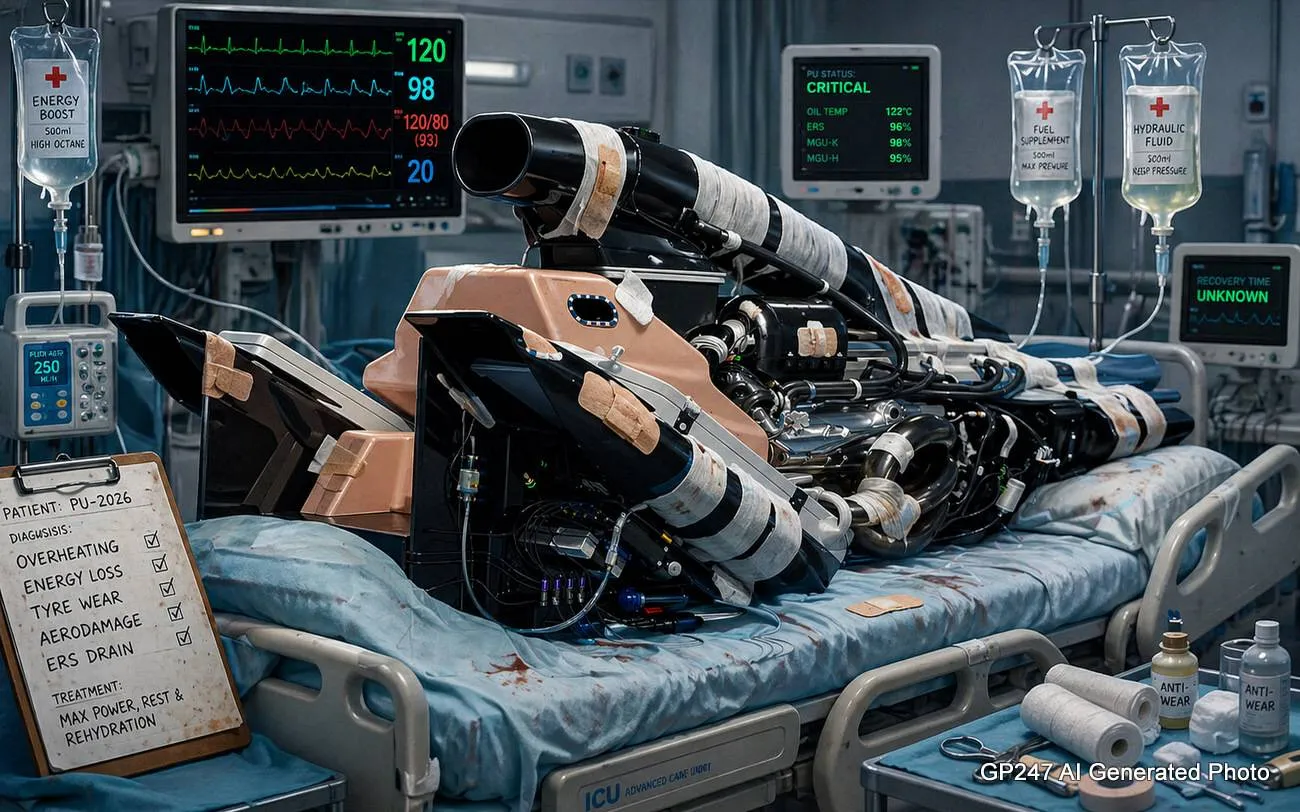
This weekend’s Miami Grand Prix arrives after an unusually long break, with Formula 1 seeking a solution to Power Unit conundrum that is set to wreck our sport's credibility.
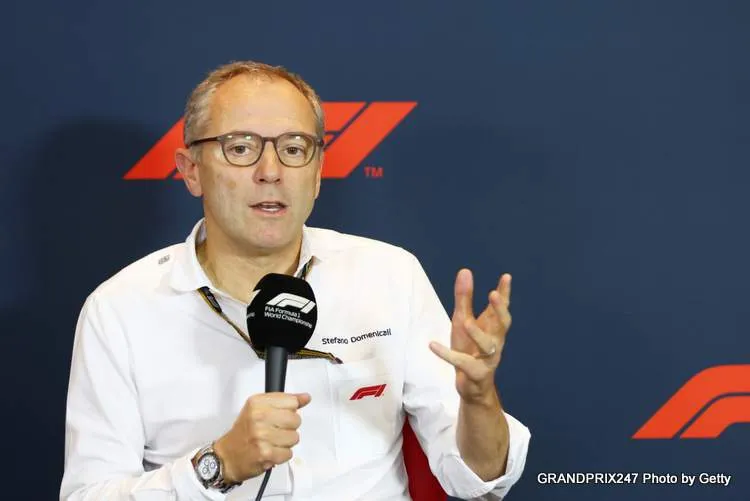
What unfolds in America this weekend may define the credibility of the 2026 regulations and the leadership behind them. Those first three rounds in Australia, China and Japan told a clear story. The rules are not working as intended. They are heavily flawed. And the spotlight now falls squarely on Liberty Media's man on the frontline, Formula 1 CEO Stefano Domenicali.
The responsibility sits with him. Not just because he is CEO of Formula One Management (FOM), but because he was the central advocate of the regulatory direction that has reshaped the sport. From the outset, his touch has been embedded in the philosophy and execution of the 2026 F1 PU package.
Domenicali did not arrive in the role without pedigree. After his well known Ferrari stint, his path from VW Group's Audi to Automobili Lamborghini lasted six years before taking charge of Formula 1 under Liberty Media.
With Audi and Porsche making noises about Formula 1, Domenicali's background aligned with a clear objective: Bring manufacturers into the sport. Align Formula 1 with global automotive trends. Deliver a platform that speaks to electrification and sustainability.
On that front, the plan worked. Porsche chickened out as usual. But Audi committed. Cadillac is here. Ford is hovering. Toyota too. The commercial argument was validated as were the concessions made to the future F1 power unit configuration. But the on-track product has exposed a different reality.
Drivers and teams struggling to adapt

The endless shift in technical philosophy has left teams and drivers scrambling. Understanding how to extract performance from the new cars has become a fundamental challenge. Energy management dominates racecraft. Deployment strategies dictate outcomes.
Some teams have been left particularly exposed. Performance gaps have widened. Development direction remains unclear for several outfits. The 50% electric and 50% Internal Combustion Engine (ICE) does not work.
Thus the broader issue is systemic. Most of the grid is grappling with the same constraints. That has prevented outright embarrassment for individual teams, but it has not masked the underlying problem. The racing itself has changed. Not evolved. Changed to the point that it is anti-racing, exactly what Max Verstappen warned of a year or more ago.
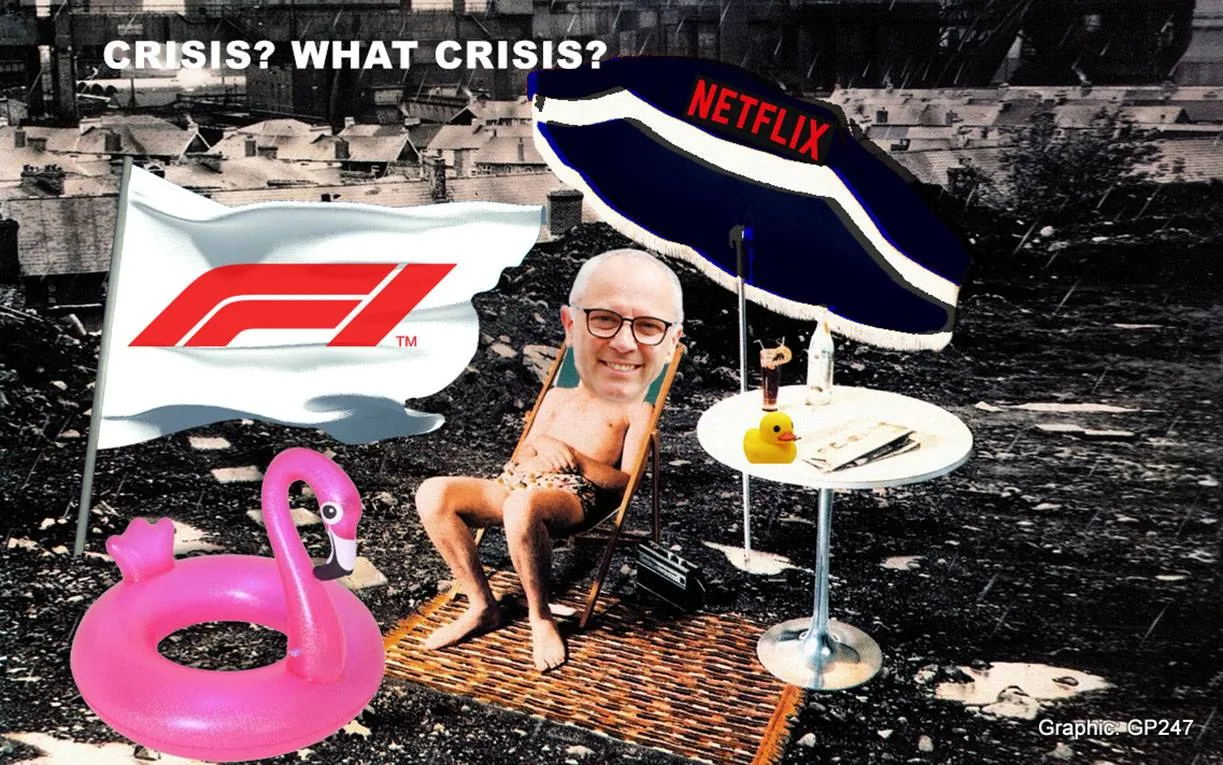
Publicly, Domenicali has remained stubbornly in denial of the problems. Clearly not interested in the concerns of traditional fans. He has emphasized commercial success, strong ticket sales, and global interest. He has framed concerns as part of a natural adjustment phase and to those not happy his message is: so be it.
Critics see it differently. We, and many more, point to a disconnect between leadership messaging and on track reality. We question whether the sport has prioritized entertainment over racing integrity. We argue that the response has leaned more toward narrative control than acknowledgment of failure and willingness to remedy the problem.
A defining weekend for Formula 1 in Miami

The tension has only intensified as further technical adjustments are introduced ahead of Miami. Another round of fixes aimed at stabilizing a package that is only months into its lifecycle. If it ain't broken, why fix it?
I doubt Domenicali has slept well since Melbourne. If he takes his head out of the sand, the F1 chief will realise that Miami now becomes more than just another race. It is a stress test for the credibility of the 2026 regulations. If indeed Formula Domenicali can save Formula 1.
If the changes deliver, the narrative may stabilize. If they fail, the pressure will escalate rapidly. Because beyond the technical debate lies a leadership question. Domenicali has backed this vision from the beginning. He has defended it at every stage. Now he must deliver a product that justifies that conviction.
The phrase Formula Domenicali is no longer a throwaway line. It is becoming a measure of accountability. And as the sport heads into one of its most revealing weekends in recent memory, the outcome in Miami may determine whether that label defines an era of progress or a period of misjudgment.
Domenicali and the 2026 F1 regulations

- 2020: Early discussions begin between FIA and manufacturers on next-gen power units
- Jan 1, 2021: Domenicali becomes Formula 1 CEO, takes control of commercial direction
- 2021–Aug 2022: Key framework defined under his leadership: 50/50 hybrid split, MGU-H removal, sustainable fuels
- Aug 16, 2022: FIA formally approves 2026 power unit regulations
- 2023–2024: Refinement phase; full regulations confirmed mid-2024
- 2025: Heavy investment by teams and manufacturers; Domenicali promotes success in attracting new entrants
- Early 2026: Regulations debut; immediate criticism over racing quality and energy management
- April 2026: Crisis meetings held after first three races; emergency tweaks agreed
- Miami 2026 onward: Adjustments implemented within weeks of season start
- Ongoing: Domenicali publicly defends regulations despite backlash; long-term fixes under discussion
Latest News


Loading