Nigel Mansell: Dual Formula 1 team ownership is bad, rather make it 13 fully independent teams
F1 OpinionMonday, 27 April 2026 at 17:05
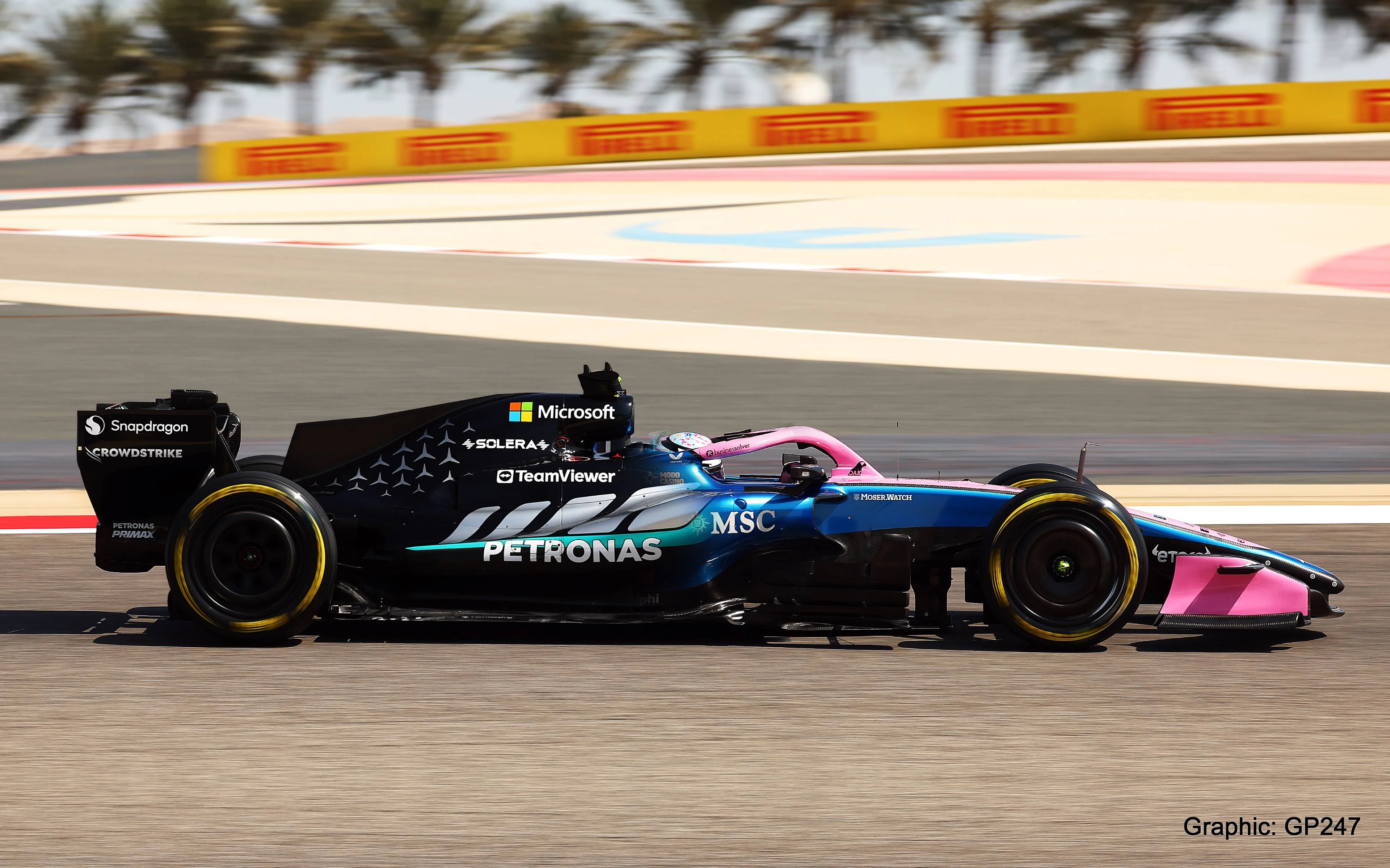
1992 Formula 1 world champion Nigel Mansell has raised concerns about multi team ownership in the sport, warning it risks creating a monopoly as speculation grows regarding Mercedes' ambitions in the top flight.
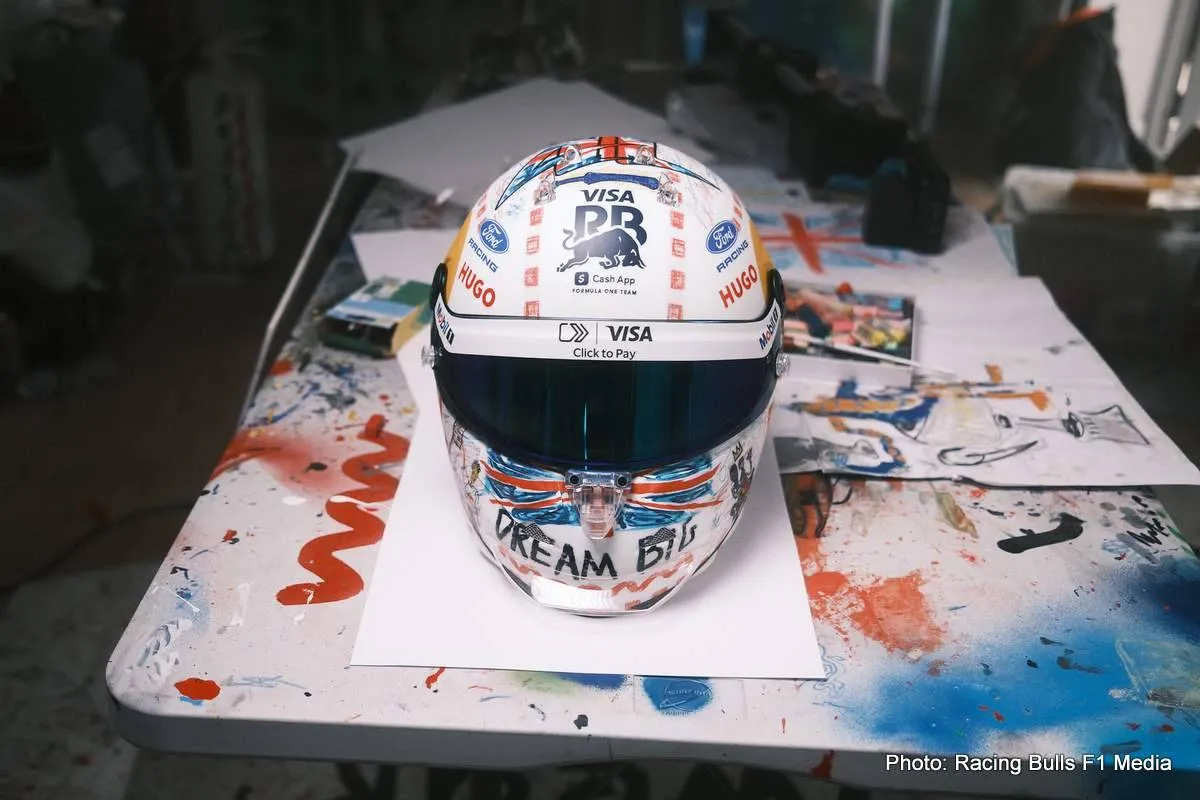
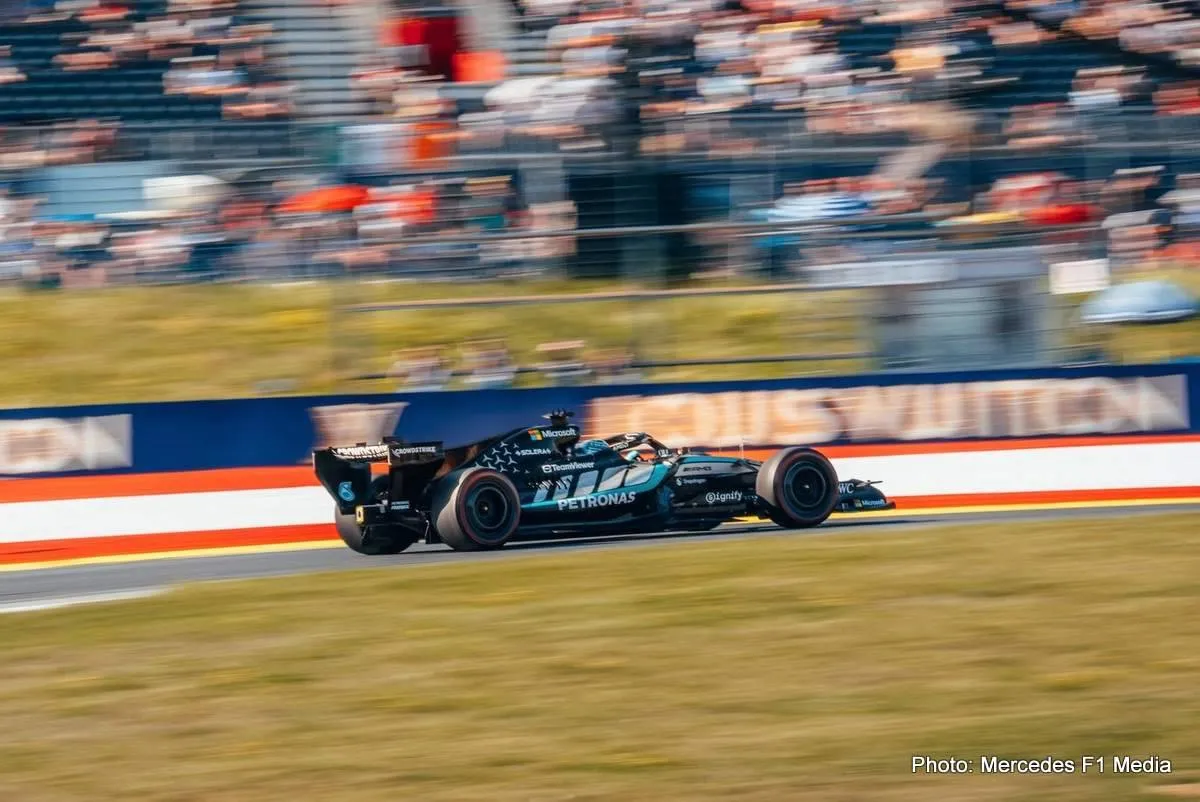
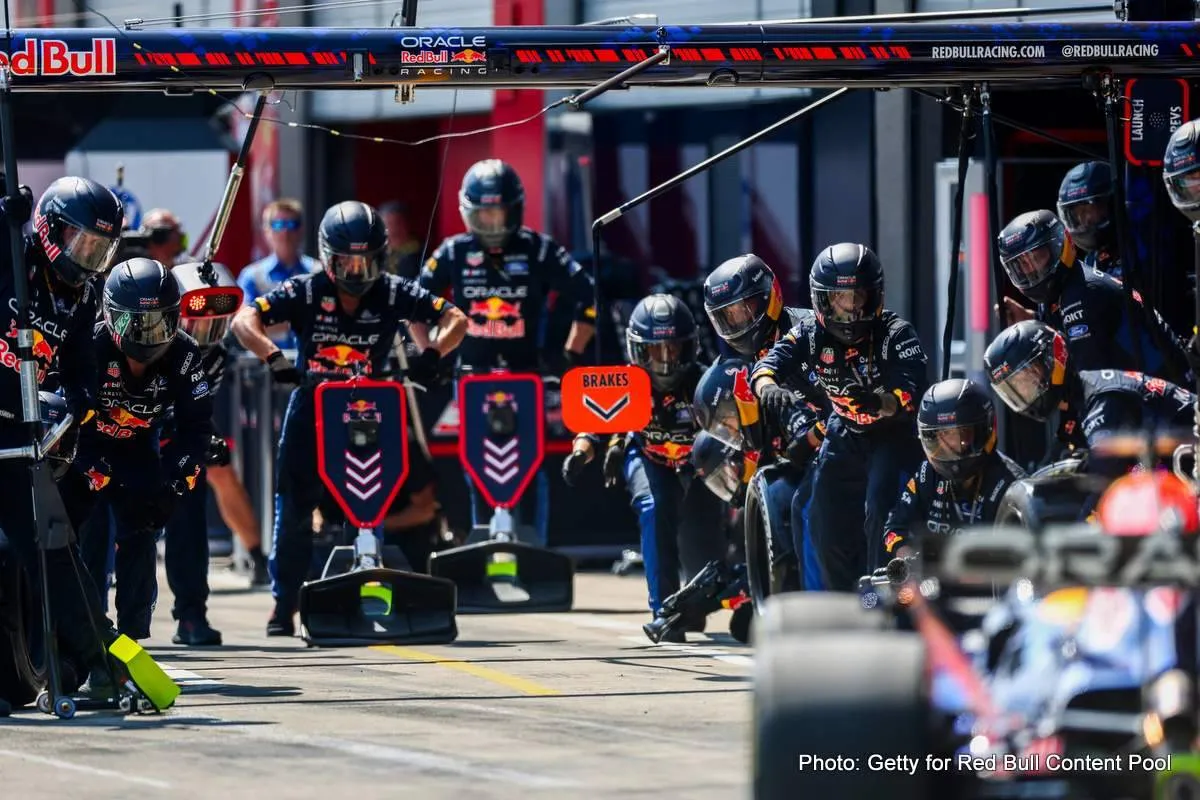
Mansell's comments come amid paddock talk that Toto Wolff could explore a structure similar to Red Bull’s, which runs both its main team and sister outfit Racing Bulls, with interest reportedly centred on Alpine F1 Team.
Mansell told the media team at AceOdds,com: “I think this is probably the most dynamic question you can ask at this time because if we go back, obviously over the years, you have incredible entrepreneurs and individuals who owned teams. I'll never forget the late Colin Chapman who was a fantastic innovator, designer and engineer,” Mansell said.
“Now, it's crystalised in the fact that unless you've got hundreds and hundreds and hundreds of millions of pounds to spend, you can't compete. It's a bit of a closed shop. You certainly don't have the individuals, and if you do there's only a few of them. What you have now is multinational companies.”
Mansell questioned how independent entrants could remain competitive in such an environment, particularly if leading organisations extend their influence across multiple entries: “How do you compete with them? And then when they maybe have second tier teams or they're involved there as well, that's got to be an advantage."
Mansell: Let's have a full grid of 26 cars

72-year-old Mansell continued: “I'm not quite sure about multi team ownership. It's a dangerous route to go down. It'd be lovely to have 13 teams again, 26 cars, all independent from one another, unless you're renting the engine or doing something like that. To be associated or own more than what you need to own, monopoly comes into it.”
While acknowledging that second teams can provide a pathway for young drivers, Mansell argued that expanding the grid would be a more effective solution: “It certainly does offer a clear pathway for drivers. I think another thing to consider about drivers progressing, don't forget, they're licensed to have 26 cars on the grid. They're still four cars short.
"So they're still two teams short. We know the reason for that. Even for the new teams to come on board they had to donate an awful lot of money into the pot to share because the teams don't want to share the pot or dilute the pot.
“It's two separate incidents. To have more drivers to come in and have more opportunity, let's have a full grid of 26 cars, however you have to cut and slice it. You should put those questions to the powers that be for one reason, more new drivers on the grid having opportunities in Formula 1,” suggested Mansell.
Dual teams would benefit from 13 teams?

In the late 1980s and early 1990s, Formula 1 regularly attracted oversized entry lists, with as many as 39 cars attempting to qualify during the 1989 season. Pre qualifying sessions were used to reduce the field, with only the fastest progressing to official qualifying and ultimately the race.
Grid limits at the time capped the number of starters at 26 cars, although on some occasions up to 30 were permitted, leaving several entrants unable to compete despite making the trip to the circuit.
From the mid 1990s onwards, regulations standardised smaller grids, first at 26 and later 24 cars, before settling at the current 20 car format with strict qualifying cut offs determining the final race lineup.
Fast forward to today, the question of A-B team concept remains a point of conflict, the question is: Will Mercedes acquire a part of Alpine in the near future? Depends on who you ask the chances are 30% to 50% you will be told.
But if McLaren boss Zak Brown has his way dual Formula 1 team ownership should not be allowed: "It runs a real high risk of compromising the integrity of sporting fairness."
Latest News

Loading