Guenther Steiner says Lawrence Stroll too impatient as Aston Martin reality bites in 2026
F1 OpinionMonday, 20 April 2026 at 08:00
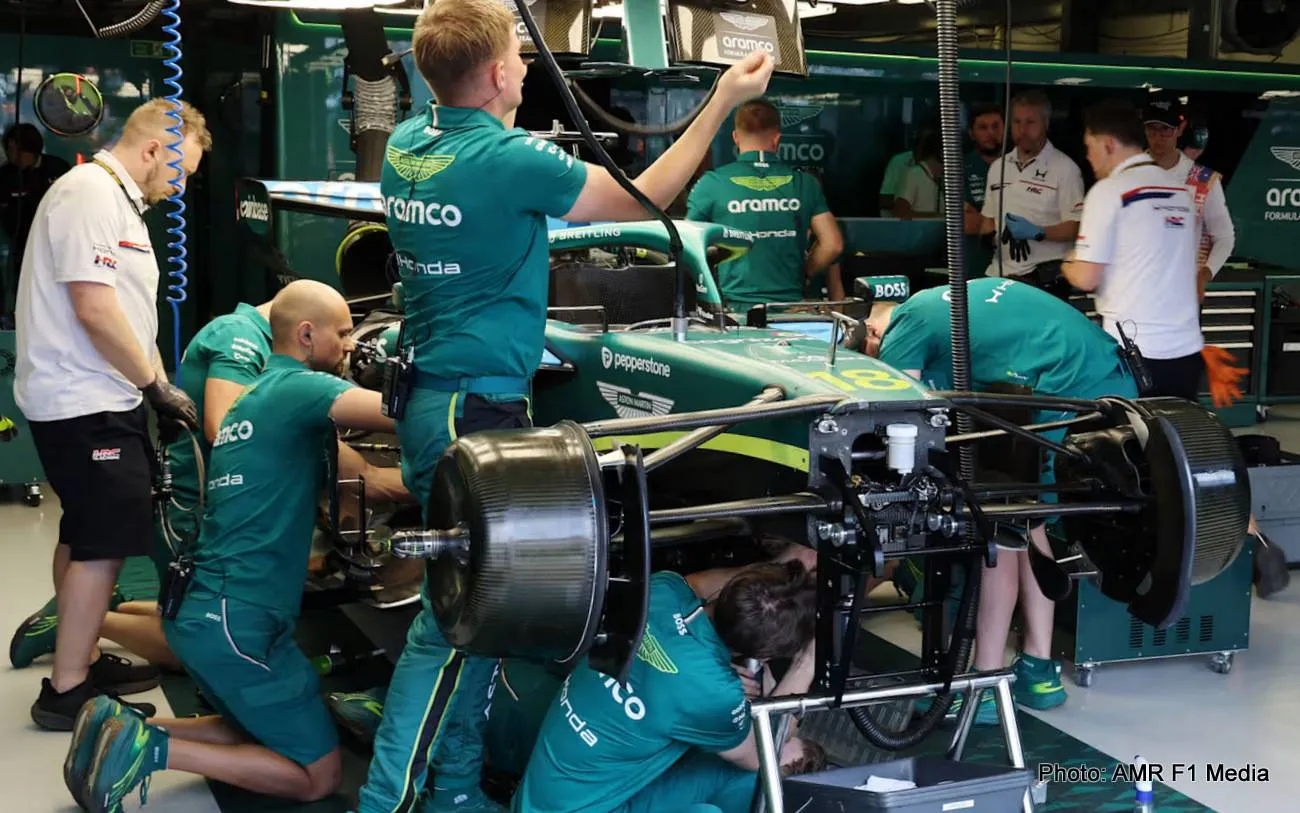
Aston Martin’s difficult start to the 2026 Formula 1 season reflects a deeper structural issue, with Guenther Steiner warning the team owner's impatience is hampering the team, joining the chorus including the likes of Martin Brundle with a similar bleak prediction.
The Silverstone outfit arrived in the new regulations era with major expectations. Heavy investment, a new factory, Adrian Newey’s arrival and a works Honda deal positioned the team as a contender. Instead, early races have exposed a car lacking pace, leaving Aston Martin outside the competitive window.
Steiner pointed directly at the core problem: “Lawrence Stroll? You cannot blame him. He has put what he said he’ll do. He did it. It just was not successful. I mean he built up the new facility in Silverstone, Lawrence, which is fantastic, you know, he got the best people in.
“I think he has not got the patience which is needed in Formula 1. You know, if it doesn’t work in six or twelve months, he changes. And the cycle is not twelve months in Formula 1, it is longer than that. You need to wait until something works," said the former Haas F1 Team principal
A major weakness has been the power unit package, with Honda still adapting under the new regulations, leaving Aston Martin exposed in the early phase of the season.
Honda engine is not working perfectly yet

Steiner explained the limitation clearly: “And some of the teams, like Aston Martin, they’ve got the Honda engine, which is not working perfectly yet. But in the case of Aston Martin, you also need to, because on the engine side, you cannot look what other people is doing. You can learn and you can catch up.
“The good thing is, with the engine, the other teams cannot develop their power, because you can do very little, to be honest. You can do something, but it’s not like the car. You can develop the car every day of the year. You know, there is no limitation. So you can catch up with that one," ventured Steiner.
That dynamic leaves Aston Martin reliant on chassis gains while waiting for longer term power unit progress.
Despite the difficult start, Steiner does not question the team’s ability to recover, but he is clear about the timeline: “They will get it sorted. You know, that is not, will it be six months? Will it be 18 months? I don’t know that one. I don’t know that answer, but they will get it sorted.
“But, you’re shooting on a moving target, because all the other teams, they’re not standing still, waiting until you catch up. So you have to catch up and gain on the other ones, you know. So it’s difficult," said Steiner, explaining that the challenge is not simply closing the gap, but doing so while rivals continue to evolve.
Team principal is not an Adrian Newey strength

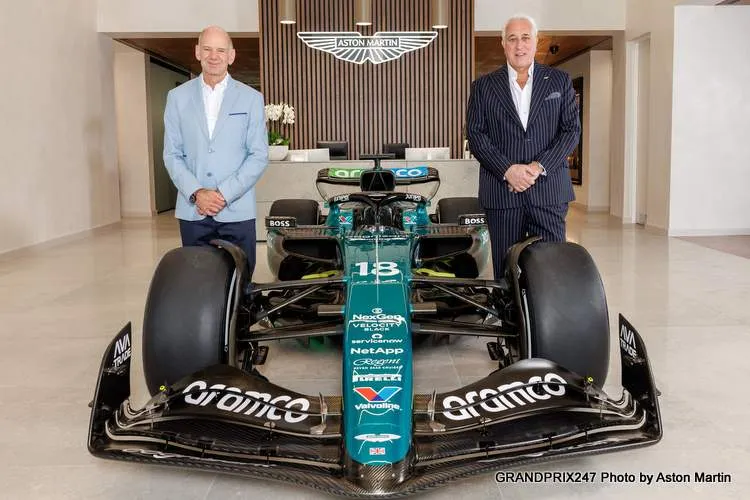
Steiner also pointed to instability within the team’s structure, referencing Adrian Newey’s leadership role: “I think if you were to ask Adrian here, he would say, I don’t know why I did this, or why I agreed to this, or I don’t know how it happened if he wanted to be team principal or not.
“But obviously that is not his strength. He’s very good in what he’s doing, which is designing cars. So, but for him, going in there was just like, why the hell that? I think it was an alien thing. Again, it shows that you should always put the people where their strength is, never over promote them.”
Aston Martin now faces a defining phase, where development speed will determine how quickly it can recover lost ground.
Steiner outlined the reality of that fight: “They will catch up and they see what the other teams are doing on the car wise. And that what this always is, people look at other people, analyse what other people are doing, and you just copy a lot of it.
“A lot of people said, yeah, you know, once we are in the season, we will catch up. Yes, you will catch up. But the other ones will get faster as well. You will catch up what the team did until two races ago, but they have moved on from that position.”
For a team that entered 2026 expecting to fight at the front, the reality is now a longer term rebuild. Aston Martin has the resources to respond, but the timeline will define whether it can return to contention within this cycle.
(Source: Guenther Steiner guesting on Drive to Wynn podcast, hosted by Justin Bell)
(Source: Guenther Steiner guesting on Drive to Wynn podcast, hosted by Justin Bell)

Latest News
Loading