Editor's Desk: 2026 Formula 1 turning us into Schizophrenics
F1 OpinionSaturday, 09 May 2026 at 08:36
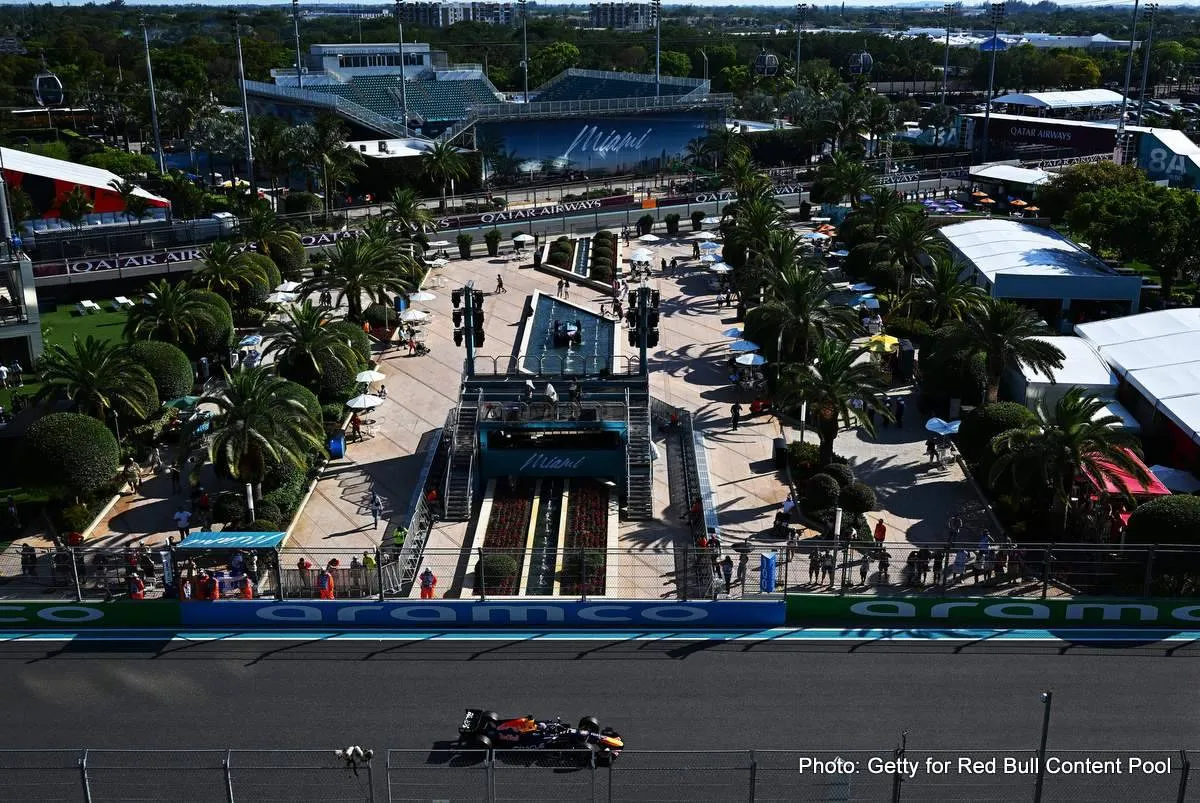
As the reality of the 2026 Formula 1 season starts to sink in with the new regulations and the racing they have brought, I, as a fan and a purist, find myself in an odd situation.
There is something I’ve been thinking about recently with regard to the new Formula 1 regulations: the racing, the yo-yo racing we’re having, and how fake it all feels. Everyone has their own stance on the situation naturally, but sometimes it feels like Formula 1 is turning us into schizophrenics.
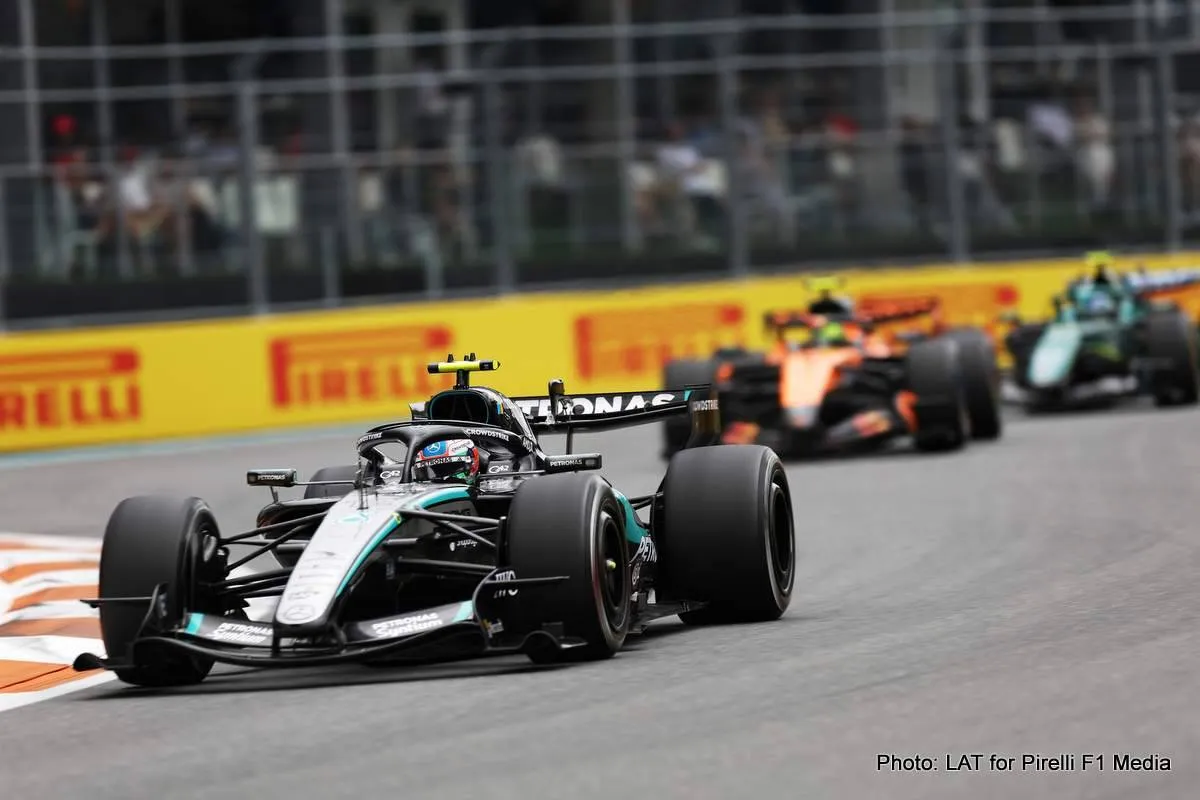
On one hand, you love the sport. You look forward to racing every weekend. The April break was brutal, not having Formula 1 over the weekends for such a long time. Then you come to Miami, looking forward to the racing and the tweaks FIA and Formula One Management had made to the regulations, but then you get another shock when you see the cars still lifting and coasting so much, harvesting through the corners—this battery racing, yo-yo racing, or whatever you want to call it. You just get pissed off with the situation.
It becomes even trickier when you want to comment on it or report it. You cannot keep reporting with negativity all season long. You need to find positives just to survive the whole thing mentally. That was something I was discussing with GrandPrix247 Editor in Chief Paul Velasco the other day as we were talking about how we are approaching the situation editorially.
There always is a but...

Paul, in one of his Outside Line columns about the good, the bad and the ugly, sounded quite positive at first. I was reading it thinking: "What’s wrong with him? That’s not what he really thinks."
But then, further into the column, you find the "but." There is always a big “but” when you are reporting on Formula 1 these days. So yeah, it feels schizophrenic. You end up having two opinions at the same time.
In Miami, I said in my Takeaways column that the changes were not enough. They still are not good enough. Even the drivers said so. The closing speeds are still too high, the racing still feels artificial, and qualifying did not become as flat out as everyone promised.
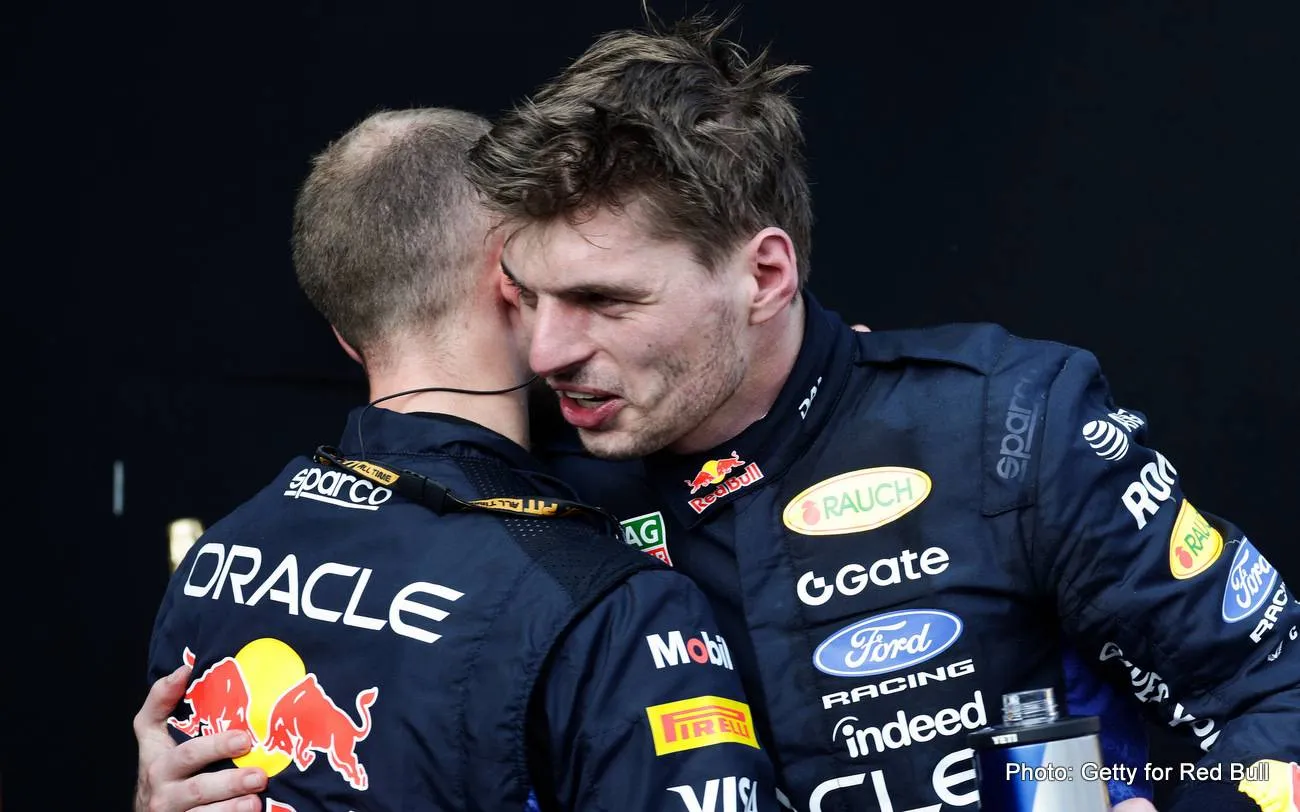
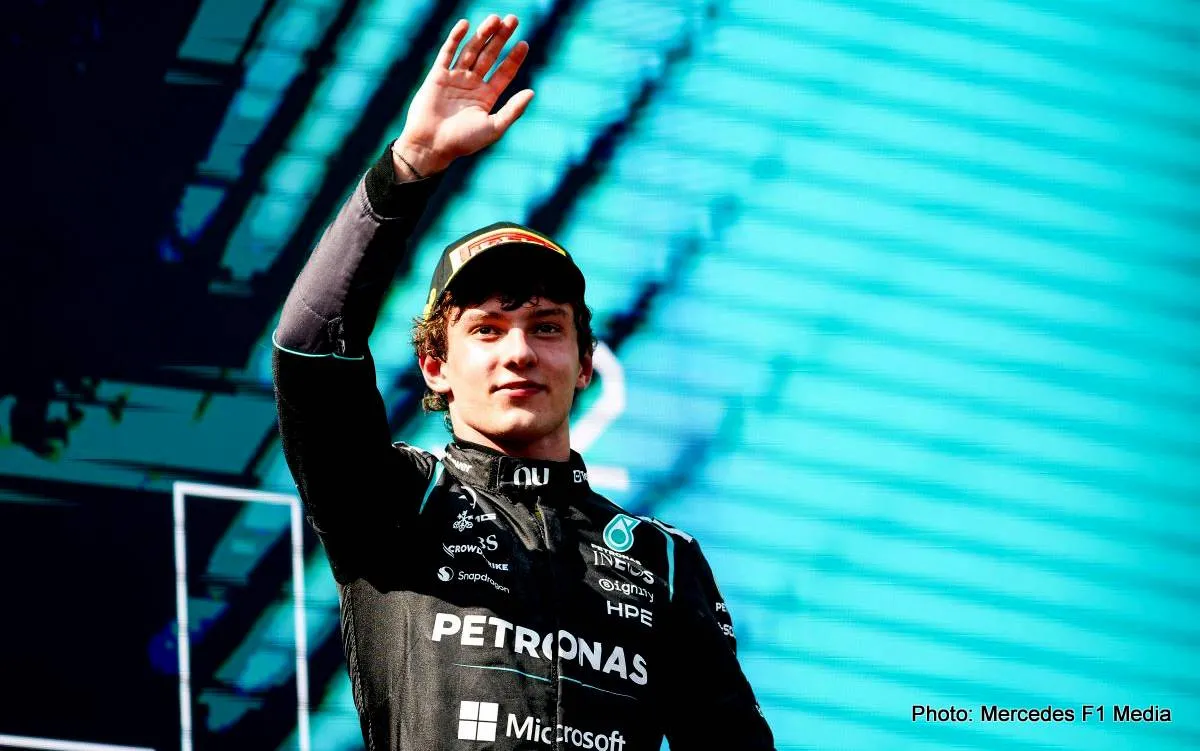
However, ultimately, we had a race where the winner was not clear from the opening laps. We had to wait and see how everything unfolded. Eventually, we got Kimi Antonelli winning his third race of the season after a great drive. Max Verstappen’s beautiful save on Lap 1, McLaren fighting and dropping the ball, and Ferrari overpromising and underachieving. We were served some excitement and memorable moments.
Again there is a big "but"; there is still this niggling feeling that something is wrong. Something does not feel real. Something feels artificial.
It's not just me?

I was reminded of this feeling while reading Martin Brundle’s post-Miami Sky Sports F1 column. I always read Brundle's stuff because I enjoy his commentary and punditry. He started by saying the changes were good and moving in the right direction.
This is what he said exactly: "The technical rule finessing was clearly in the right direction. Drivers seemed much happier generally, and the cars looked fast and alive, and with a decent surplus of power over grip on corner exits.
"And we were spared much of the laboring of engines, losing the battle to a kinetic motor busy charging the battery well before the end of the straights."
I found myself thinking: "Martin, come on, you’re better than this. The drivers weren't even happy with the changes…"
But then, later in the piece, Brundle starts questioning how quickly positions are changing, how the leader cannot keep the lead for long because they no longer have the overtake mode available, and how teams are explaining all these battery deployment calculations to justify the outcome.
At one point, he basically says he prefers hardcore racing, where it is about carrying as much speed into the corner as possible.
Here's what he wrote: "[Antonelli] looked very fast in his Mercedes, and when he hit the front on Lap 4, I predicted in commentary that he would 'check out,' expecting him to build a lead.
"But that's former F1, because by Lap 6 he was back in third place, and if I'm honest, I don't completely understand why. It's clearly about power management, and once you're in front,, you lose the 'overtake mode,' which gives more battery recharge and top speed for longer, and unless you can be more than a second in front of your pursuers, they will likely catch you back.
"It's been explained to me that an overtake is never really finished until the end of the lap because you can get greedy with power usage to take a position but pay the price later. I fully get that, and I rather like the wheel-to-wheel action and skill involved in carrying speed better than your rivals to outsmart them."
So yeah, another example of someone sounding schizophrenic when talking about 2026 Formula 1.
We need patience and effort to see this F1 era through

I just wanted to point this out because I do not know how long this balancing act can last. For true racers, for people who genuinely have racing in their blood, it is going to hurt watching this kind of racing for years.
And apparently that is exactly what is going to happen. If FIA President Mohammed Ben Sulayem keeps his word, the V8s will not return before 2030 at the earliest. Any major changes to the current regulations probably will not happen before 2028 either, because it would require a major redesign of the cars, bigger fuel tanks to increase fuel flow and get more power out of the ICE, or bigger batteries. Honestly, the idea of even bigger batteries sends shivers down my spine.
But the latest FIA announcement about proposals for changes in 2027 issued on Friday may serve as a glimmer of hope.
So this is the situation we are in right now. We need to find positives to maintain our sanity, but at the same time we cannot become sellouts and toe the Liberty Media/Stefano Domenicali/FOM line that everything is great.
Because it is not great. It is not good. It is not real racing; it is not how Formula 1 should be, but we have and must find a way to inject positivity and the first injection is the proposed changes in 2027.
Hence the schizophrenia.
Latest News

Loading