Understanding DNF in Formula 1: Meaning, Rules, and Examples
F1 HistoryTuesday, 14 July 2026 at 06:42
Formula 1 runs on exact numbers, high end engineering, specific lingo, and complex rules.
During a race weekend, fans and the people calling the race look at many technical short forms on the timing screens or the final sheets.
If you want to really get the sport, learning the DNF meaning is a big deal. You see this abbreviation all the time during a race broadcast as it shows when a driver or a team runs into a quick change in luck on the track.
Learning what does DNF mean in F1 makes it easier to see how the final results and the season standings come together. For the people watching, it usually means the sad moment when a fast car has to pull off the track.
The people running the team have to deal with the risk of not finishing every single lap, and this determines if they walk away with championship points for the season.
What Does DNF Stand For in Formula 1
If you look at the race data, the answer to what DNF stands for is just Did Not Finish. This label goes to any driver who started the race but did not make it to the finish line or cover enough ground. It is a real letdown on race day and means a good weekend ended way too early.
The systems that track data in racing have to work perfectly to catch these moments. This kind of high level digital tracking happens in other industries too where people watch performance stats. Media buyers use a good Pin Up affiliate platform to keep an eye on their ads and see how leads are doing with that same kind of live accuracy. Both in racing and in digital work, getting the status right is key.
A DNF is not a general word. It has a clear place in the official rules from the FIA. It is different from other codes based on how and when the car stopped. Looking at the DNF meaning F1 helps people tell the difference between a driver mistake and a car problem.
The Most Common Reasons for a DNF
A driver might get this result for a few different reasons. These things happen in a split second when the racing gets intense during a Grand Prix.
Mechanical and Engine Failures
F1 cars are complicated pieces of machinery that push the laws of physics. The heat and stress can cause failures in the power unit, gearbox breaks, leaks in the hydraulics, or electronics issues. When a main part breaks, the team tells the driver to stop the car right then so they do not ruin the whole engine.
Crashes and Collisions on the Track
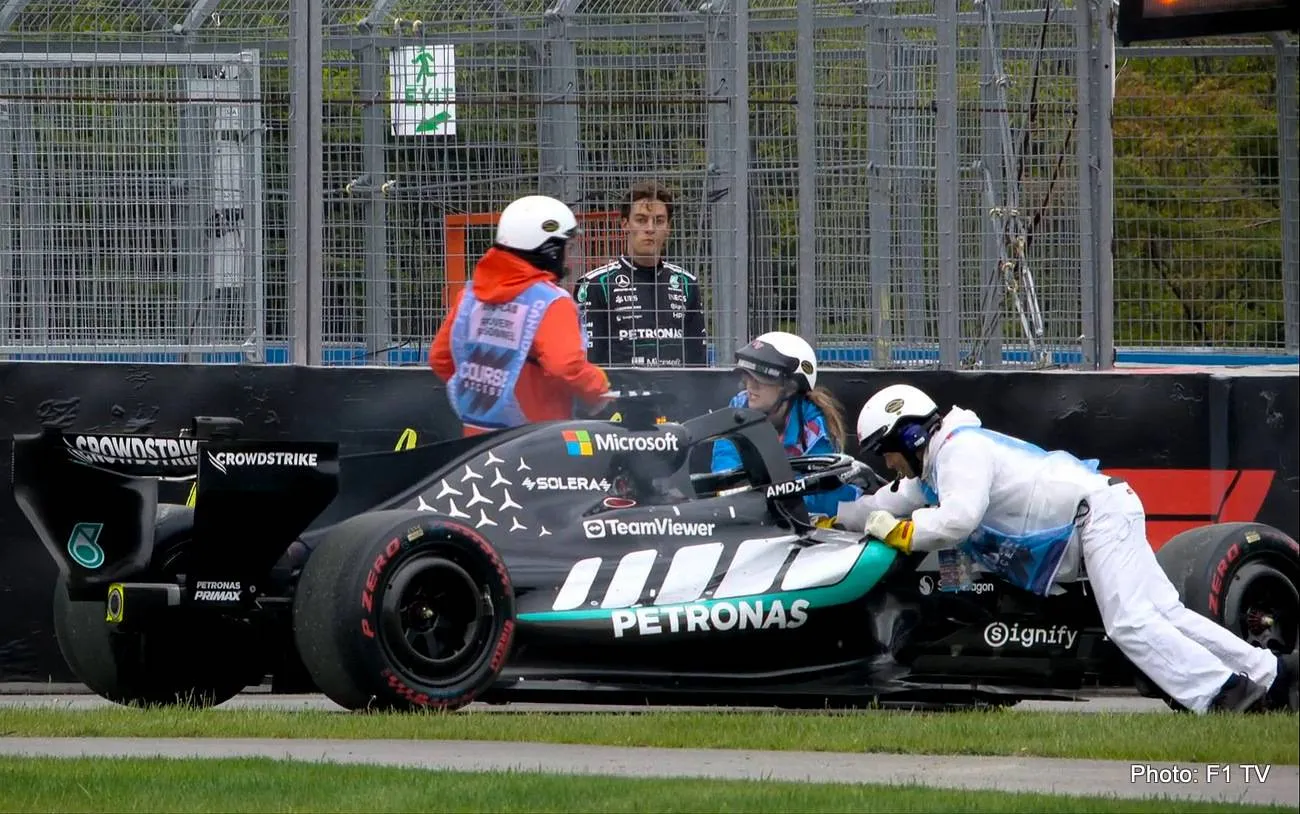
Racing side by side at over 300 km/h is dangerous. Touching another car can cause damage to the suspension, broken wings, flat tires, or chassis cracks. If the car is not safe to drive or if someone gets stuck in the gravel, they get listed as a DNF in F1 records.
Driver Illness or Exhaustion
It does not happen often these days, but a driver getting sick or too tired can cause a retirement. Driving these cars takes a lot of strength and stamina, mostly in the hot races. If a driver gets too dehydrated or feels the heat too much, the team stops the car to stay safe.
The 90% Rule: Can You DNF and Still Get a Result
A strange part of the rules is the ninety percent rule. A driver can actually stop racing but still get a place in the final results. FIA rules say that if a car does at least 90% of the race distance, that driver counts as a finisher.
If a driver has an engine fail on the last lap at the time they were in fifth, they still get a spot on the list. They just end up behind the cars that finished every lap. This rule makes sure a good drive is not wasted when a late problem happens.
How a DNF Impacts Championship Points
The cost of not finishing is huge for the team and the standings. Millions of dollars depend on where the teams finish, so every retirement hits hard. If a driver does not hit that 90% mark, they get no points, even if they were winning before the car stopped.
This way of giving rewards is like how affiliate marketing works. In that world, publishers only get paid when a user finishes a specific action. In both cases, getting close does not count, and you only get the prize if you follow the rules to the end.
DNF vs. DNS vs. DSQ: Other F1 Acronyms Explained
To really get the post race sheets, you have to know the different short codes. These codes tell you what happened to a driver over the weekend.
The table below shows the main codes used in F1 results:
| Code | Meaning | Main cause | Effect on the result |
| DNF | Did Not Finish | Mechanical issues, crashes, spins, or retiring the car | Classified if 90% distance is met |
| DNS | Did Not Start | Car damage or engine failure before race start | Not classified, marked as DNS |
| DSQ | Disqualified | Technical breach or sporting rule violation | All results and points annulled |
Each abbreviation shows a different situation. Knowing these helps fans check how reliable a team is or how a driver behaves on the track.
DNS (Did Not Start)
This code comes up when a car cannot get to the starting line. This usually happens from a technical breakdown on the lap before the start or if the driver crashes in qualifying and the team cannot fix the car in time for the race to begin.
DSQ (Disqualified)
Being disqualified is the harshest penalty in the sport. It happens if the car fails the checks after the race, like having a part that is not legal or not having enough fuel left for the testers to take a sample. The driver is taken out of the results and loses all their points.
Famous DNF Moments in F1 History
Through the years, there have been some huge retirements that changed who won the title. Fans still talk about these moments today.
Here are some of the most famous times a driver did not finish:
- Mika Hakkinen, Spain 2001 - His clutch broke on the very last lap when he was way ahead, and that gave the win to Michael Schumacher
- Lewis Hamilton and Max Verstappen, Monza 2021 - A big crash put the car of Verstappen on top of the car of Hamilton and ended the race for both of them
- Charles Leclerc, Monaco 2021 - He was supposed to start first but a part broke on the way to the grid so he ended up with a DNS at his home race
These moments show that racing is hard to predict. Even with all the money spent on the cars, the chance of not finishing is always there in every race.

Latest News






Loading