The Financial Race: How Online Gaming and Betting Brands Became F1's New Big Spenders
F1 HistoryTuesday, 14 July 2026 at 06:51
Formula 1 liveries have always told a story about money, and about who wants to be seen where the cameras are.
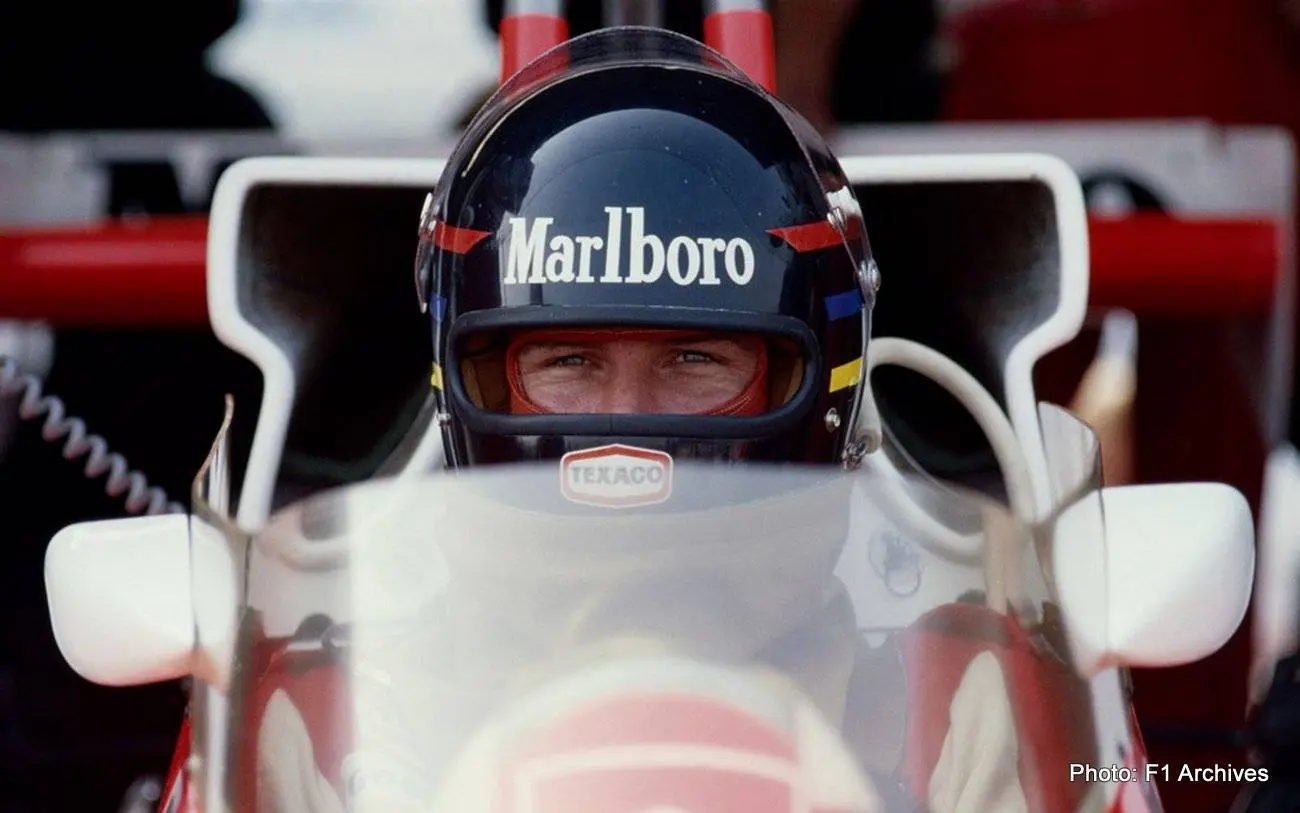
In the 1970s and 1980s that meant Marlboro's red-and-white McLarens and the black-and-gold of John Player Special's Lotus, tobacco money that carried the sport through two decades before advertising bans pushed it out of the paddock entirely.
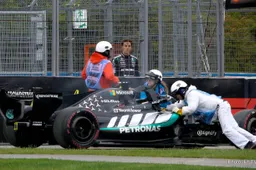
What followed was a telecom and technology era: Vodafone on Ferrari, Petronas on Mercedes, a long stretch in which IT firms and mobile carriers filled the gap tobacco left behind.
The current wave looks different again. Digital entertainment platforms, Web3 projects, and above all online gaming and betting operators have moved into spaces on the car and in the paddock once reserved for watchmakers and airlines.
That shift is not accidental. F1's audience has become younger, more digital, and more comfortable with real-money platforms than at almost any point in the sport's history, and that makes it a near-perfect match for brands built around speed, risk, and technology.
A younger, more digital grid of fans

Formula 1's own figures put its global fanbase at 827 million people as of 2025, with 43 percent of that audience under the age of 35.
The average fan age fell from 36 in 2017 to 32 within a few years of Liberty Media's takeover, a shift widely credited to Netflix's Drive to Survive and to the sport's expanded footprint in the United States, Saudi Arabia, and the wider Asia-Pacific region.
That audience does not consume sport the way F1's traditional fanbase did. Younger viewers arrive through social clips and streaming documentaries rather than Sunday-afternoon broadcasts, and they expect the same immediacy from everything else they do online, whether that is checking live telemetry mid-race or placing a bet on the outcome of a pit stop.
For gaming and betting operators chasing a demographic that is simultaneously affluent, tech-literate, and drawn to high-stakes entertainment, that is close to the ideal customer profile.
From Stake to Betway: the case studies

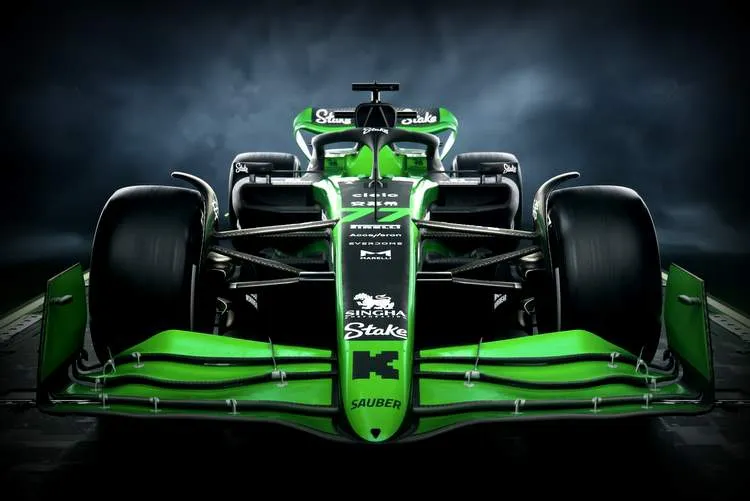
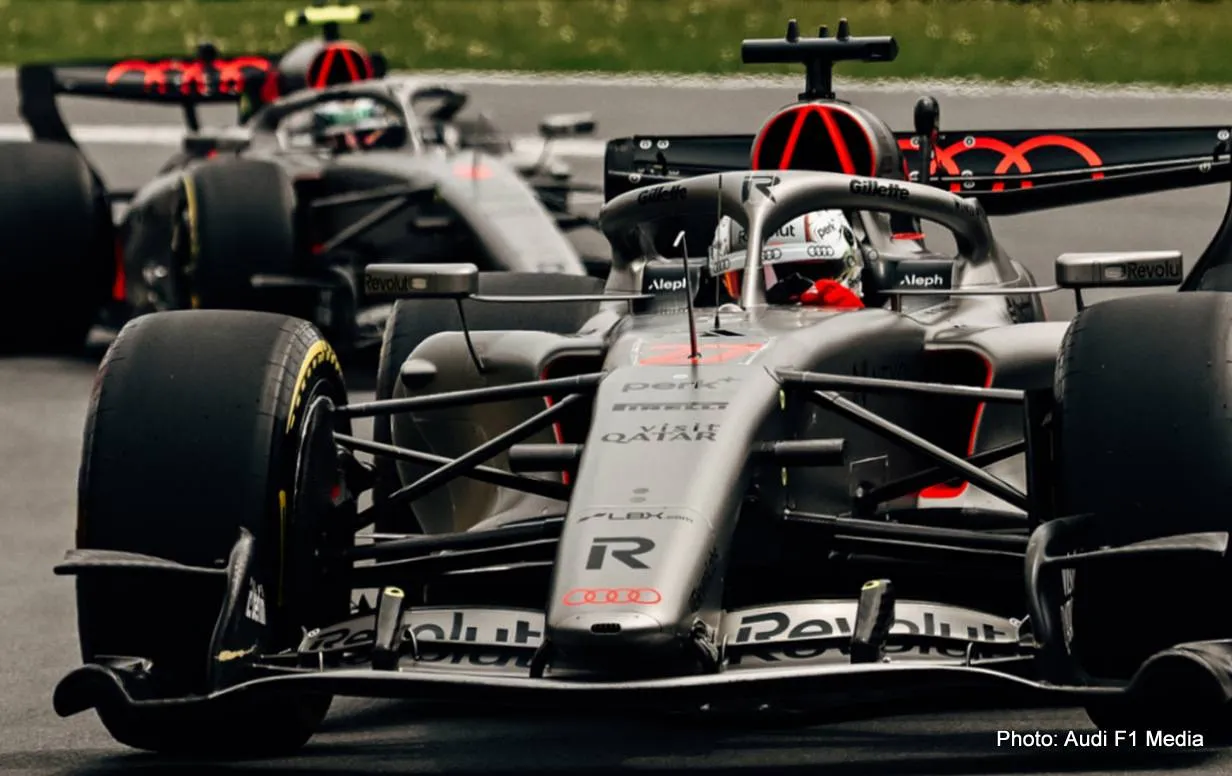
No sponsorship illustrates the trend better than Stake's tenure with Sauber. The crypto casino and sportsbook became the Swiss team's title sponsor from 2024, running the car as Stake F1 Team, and swapping to sister streaming brand Kick in countries where gambling advertising was restricted.
The deal went well beyond a logo on a sidepod: Stake built activations around the team with ambassadors including former footballer Sergio Agüero, and used the partnership to introduce an entirely new audience to both F1 and its own platform.
That chapter closed as Sauber transitioned into Audi's works team for the 2026 season, but it set a template other operators have since followed for building trust through proximity to the sport rather than through advertising alone.
Formula 1 itself has since moved the gambling relationship up a level. For the 2026 season, Betway became the sport's first-ever Official Betting Operator in a multi-year, championship-wide agreement, giving fans access to in-play markets tied to race strategy, from pit windows to safety car periods.
Crypto exchanges such as OKX and Binance have also carried team branding in recent seasons, another sign that operators across gaming, betting, and digital finance now see the grid as a legitimate marketing channel rather than a novelty.
The need for speed, on and off the track

There is a more literal reason the fit works. F1 fans are trained, race after race, to expect speed as the baseline: sub-two-second pit stops, telemetry updates in real time, results decided by fractions of a second.
That conditioning carries over directly into how the same fans behave as consumers of digital entertainment. A generation that watches a crew change four tyres before most people finish a sentence has very little patience for a platform that makes them wait.
That expectation has reshaped what players look for when they choose where to deposit and play. Processing times that were once treated as an industry norm, several business days for a withdrawal, are now seen as a genuine deterrent, and operators have had to compete on how quickly they can move money as much as on odds or game selection.
It is a large part of why instant withdrawal casinos have become a distinct category that players actively search for, rather than a footnote in an operator's terms and conditions.
The comparison to F1 is not incidental: both industries have built their reputations on shaving seconds off a process that used to take much longer, and both know that today's audience treats delay as a failure rather than a formality.
A partnership built on shared instincts

What ties F1 and the online gaming industry together is not simply the money changing hands, real as that is, but a shared set of instincts: a reliance on cutting-edge technology, an obsession with speed, and an understanding that trust has to be earned in an environment where a single slow transaction, or a single missed pit call, can cost everything.
Regulatory pressure on gambling advertising is real and growing, from the UK's ongoing review of betting sponsorship rules to national bans already in place in parts of Europe, and it will keep forcing teams and operators to adjust how these deals are structured and displayed.
But the underlying logic is unlikely to change while Formula 1 remains the fastest, most technologically driven form of motorsport and the platform its sponsors are chasing.
As long as that holds, the paddock will keep attracting brands that measure their own success the same way F1 measures a lap: in the smallest possible margins of time.
Latest News


Loading