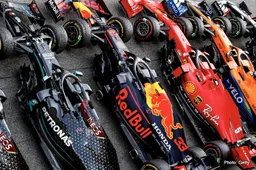
Formula 1 doubles down on betting as gambling sponsorships evolves in the modern era
F1 HistoryFriday, 05 June 2026 at 05:34
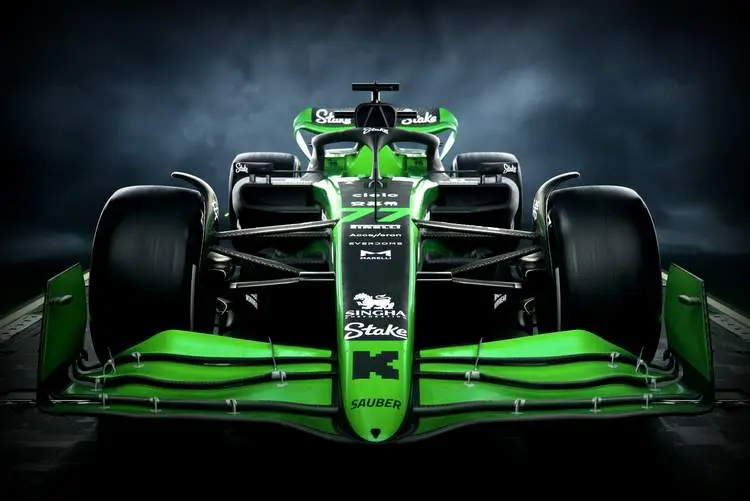
Betting and gambling companies remain deeply embedded in Formula 1's commercial landscape in 2026, although the sector's presence has evolved significantly from the days when Stake branding dominated the Sauber team.
Rather than relying on high-profile title sponsorships, Formula 1 has increasingly shifted gambling partnerships towards official championship agreements and carefully targeted team-level deals. The strategy reflects Liberty Media's broader effort to capitalise on regulated sports betting markets while navigating an increasingly complex web of advertising restrictions around the world.
The move has been particularly significant in North America, where legalised sports betting has expanded rapidly in recent years and opened new commercial opportunities for major sporting organisations.
For the first time in its history, Formula 1 now has official betting operators at championship level. Before you proceed with this report checkout the Yep casino promo code.
Betway became Formula 1's first-ever Official Betting Operator through a multi-year agreement that began in 2026. The deal covers Europe, the Middle East, Africa, Canada and Mexico, placing one of the world's largest betting brands at the heart of the sport's commercial strategy.
The partnership is built around real-time data supplied by ALT Sports Data, Formula 1's Official Betting Data Supplier. This allows betting operators to offer predictive analytics, live odds, driver matchups and in-race betting opportunities that were previously difficult to integrate on a global scale.
FanDuel expands Formula 1's North American footprint

The agreement highlights Formula 1's increasing focus on digital engagement and interactive fan experiences. Alongside Betway, FanDuel has become Formula 1's Official Betting Operator in the United States and parts of Canada.
The partnership represents Formula 1's most significant betting agreement in North America and aligns with the championship's continued growth across the region. The sport has enjoyed a surge in popularity since Liberty Media acquired Formula 1 in 2017, helped by the success of Netflix's Drive to Survive and the addition of races in Miami and Las Vegas.
FanDuel's involvement centres on data-driven experiences designed to increase fan engagement during race weekends. These include race predictions, live betting markets and driver performance comparisons.
Formula 1 has consistently emphasised that all official betting partnerships operate within regulated markets and include responsible gaming measures. The sport sees betting as another way to deepen fan engagement while generating additional commercial revenue.
Team partnerships with betting evolve

Although championship-level deals have grown, team-level sponsorships remain an important part of the category. One of the longest-running partnerships belongs to PokerStars and Oracle Red Bull Racing. The Flutter Entertainment-owned brand continues to feature on team apparel, driver overalls and promotional material.
The relationship extends beyond branding. PokerStars regularly works with the team on fan activations, digital content and promotional campaigns that connect Formula 1 audiences with its online poker products.
McLaren also maintains a significant relationship with Entain, the parent company of PartyPoker and PartyCasino. The partnership, which began in 2021, focuses on entertainment, fan engagement and responsible gaming initiatives. Entain branding continues to appear across various McLaren assets and activations.
The most visible gambling partnership in recent Formula 1 history, however, belonged to Stake. The betting and online casino platform became Sauber's title sponsor from 2024, creating the Stake F1 Team Kick Sauber identity.
The agreement was one of the most valuable gambling sponsorships ever seen in Formula 1 and generated significant debate throughout its duration. That chapter ended when Sauber transitioned into Audi's factory Formula 1 operation for 2026.
The departure of Stake from the grid has reduced the visibility of gambling branding compared to previous seasons, but it has not diminished the sector's overall importance.
Gambling remains a major Formula 1 business category

Industry reports suggested that approximately 70% of Formula 1 teams had some form of gambling-related sponsorship exposure by 2025, whether through betting operators, online gaming companies or gambling-adjacent digital platforms.
Most teams now rely on a diverse sponsorship portfolio. Primary title partners include Mastercard at McLaren, Oracle at Red Bull, HP at Ferrari, Petronas at Mercedes and Aramco at Aston Martin. Gambling brands generally operate as secondary partners within those commercial structures. The category continues to face regulatory and ethical scrutiny.
Advertising restrictions in several countries require teams to modify, replace or remove betting logos during certain race weekends. The Netherlands has been among the markets where gambling-related branding has faced tighter controls.
Critics argue that Formula 1's growing relationship with betting companies risks normalising gambling among younger audiences. Supporters counter that partnerships involve regulated operators and generate valuable revenue for teams operating in an increasingly competitive environment.
For Formula 1, the appeal is clear. Betting companies possess substantial marketing budgets, while the sport's data-rich environment creates opportunities for interactive experiences that align naturally with modern fan consumption habits.
While the Stake title sponsorship era may be over, gambling remains firmly embedded within Formula 1's commercial model. The focus has simply shifted from car names and headline branding to official partnerships, fan engagement platforms and long-term strategic agreements that appear set to remain part of the sport's future.

Latest News


Loading