Monaco Grand Prix: The casino promotion that became Formula 1's crown jewel
F1 HistoryFriday, 05 June 2026 at 02:24
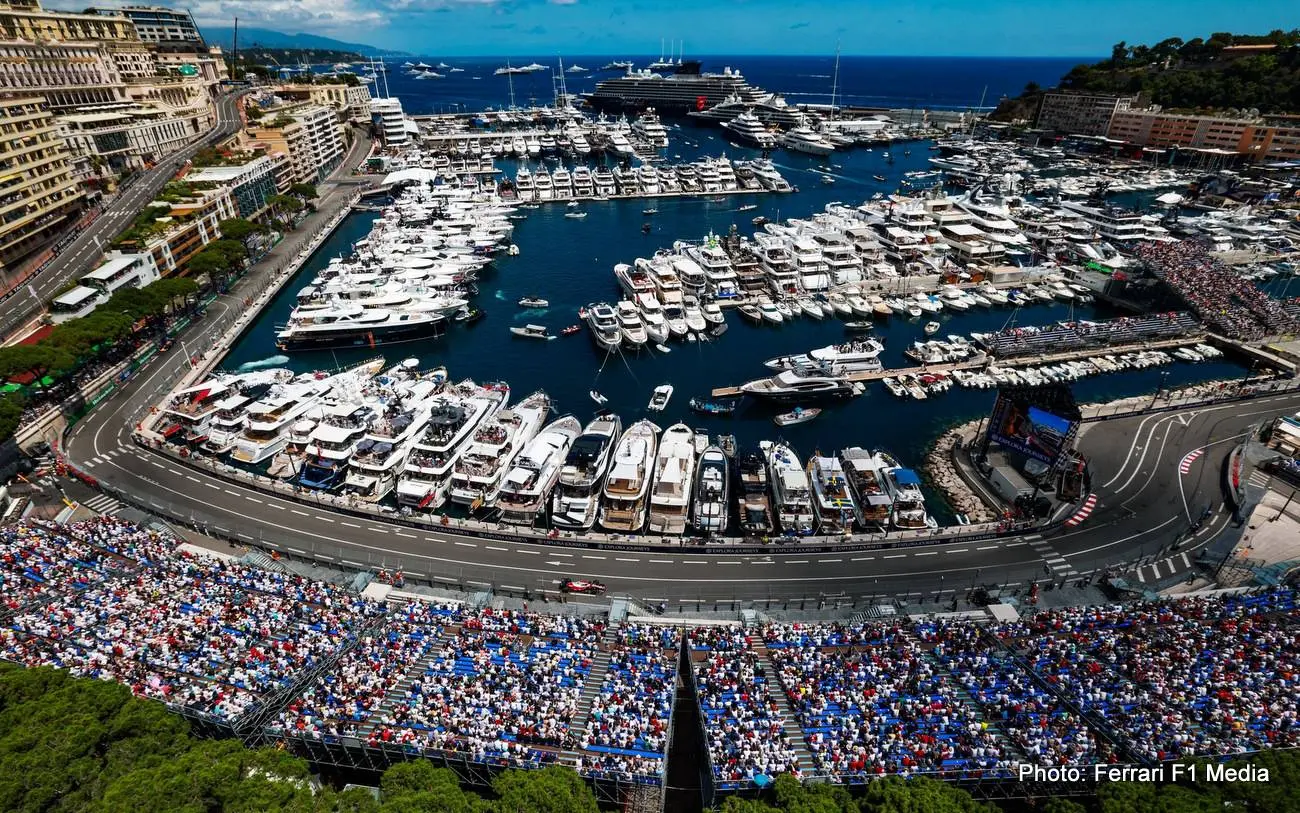
The Monaco Grand Prix is often portrayed as the glamorous centrepiece of Formula 1, a race surrounded by superyachts, celebrities and unimaginable wealth. Yet the origins of the event reveal a far more calculated story.
Long before Formula 1 arrived, Monaco's rulers used gambling to rescue the tiny principality from financial ruin, and the Grand Prix was created as another tool to attract wealthy visitors and strengthen that success.
Today Monaco remains Formula 1's most iconic event. It is a race many drivers dream of winning, despite growing criticism of the modern spectacle and the difficulties of overtaking on the narrow street circuit.
The origins of Monaco's remarkable transformation date back to the mid 19th century when the principality faced serious financial difficulties. The Grimaldi family had lost key territories including Menton and Roquebrune, reducing vital agricultural revenues and leaving Monaco struggling to survive.
With a population of around 1,000 people and few economic opportunities, Prince Charles III sought a solution that would secure the future of the state. The answer came through gambling.
The Monte Carlo Casino opened during the 1850s and 1860s and rapidly transformed Monaco's fortunes. Under the guidance of casino entrepreneur François Blanc, the business flourished and attracted wealthy visitors from across Europe before betting Online Runa Casino was possible.
Monaco sought another way to raise its international profile

The success was extraordinary. By 1869, casino revenues had become so significant that Monaco was able to abolish income taxes for residents, a policy that remains one of the principality's most famous attractions today.
Luxury hotels, entertainment venues and elegant public spaces followed. Monte Carlo became a playground for Europe's elite, establishing a reputation built on exclusivity, glamour and gambling. Several decades later, Monaco sought another way to raise its international profile.
The Automobile Club de Monaco wanted greater recognition and influence within European motorsport. The famous Monte Carlo Rally already existed, but much of that event took place outside Monaco's borders, limiting its value as a showcase for the principality.
Antony Noghès, a wealthy businessman and motorsport enthusiast, proposed a solution that would change racing history.
With support from Prince Louis II and local racing hero Louis Chiron, Noghès devised a street circuit that wound through the heart of Monte Carlo. The route passed the harbour, climbed through the city streets and ran past the casino that had transformed Monaco's fortunes decades earlier.
The event was never simply about motorsport

The inaugural Monaco Grand Prix took place on 14 April 1929. Sixteen drivers competed in the invitation only race, chasing a prize fund of 100,000 French francs. British driver William Grover Williams claimed victory driving a Bugatti.
Its purpose was to attract wealthy visitors, generate international publicity and further strengthen Monaco's image as a destination for luxury and entertainment. The strategy worked almost immediately.
The Monaco Grand Prix rapidly became one of Europe's most prestigious races and joined the inaugural Formula 1 World Championship calendar in 1950. After a brief absence, it returned permanently in 1955 and has remained one of the sport's defining events ever since.
Few venues carry the same prestige. Victory in Monaco is widely regarded as one of the greatest achievements in motorsport. The race forms part of the Triple Crown alongside the Indianapolis 500 and the 24 Hours of Le Mans.
Legends including Graham Hill, Ayrton Senna and Michael Schumacher built part of their reputations on success through the streets of Monte Carlo. Senna's record six victories remain one of the sport's most celebrated achievements.
Monaco's importance extends beyond the competition

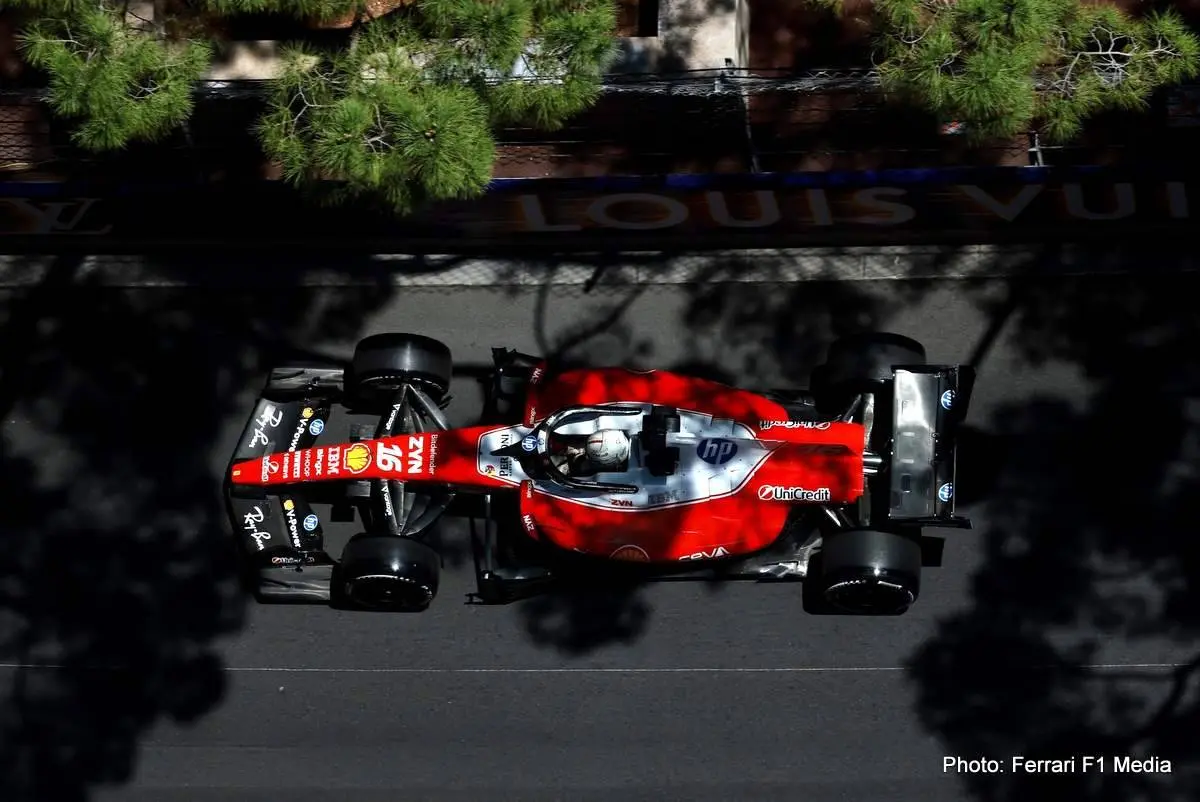
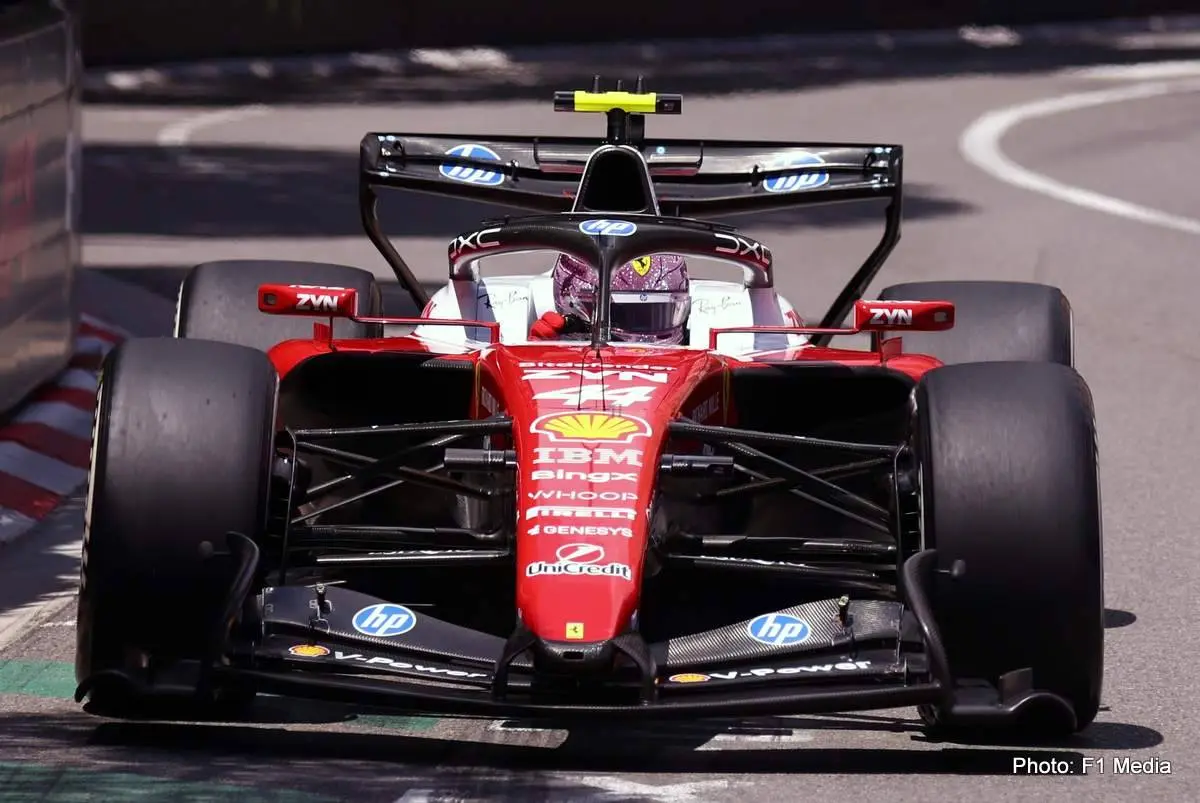
The challenge itself is unlike any other on the calendar. The narrow circuit rewards precision, bravery and absolute commitment. Barriers sit just centimetres from the racing line, leaving no room for error. Qualifying has become more important than ever because overtaking opportunities are so limited during the race.
Each year the race delivers images that define Formula 1's global identity. The harbour filled with yachts, the casino overlooking the circuit and the presence of royalty and celebrities help create a spectacle unmatched elsewhere in the championship.
Critics argue that modern Formula 1 cars have outgrown the circuit, producing processional races and limited wheel to wheel action. Despite those concerns, Monaco continues to occupy a unique place in the sport.
Nearly a century after its creation, the Monaco Grand Prix remains exactly what its founders intended. It is both a sporting contest and a global advertisement for the principality.
A race born from Monaco's casino economy has evolved into Formula 1's ultimate symbol of prestige, glamour and history. This weekend's race at the Principality, is the 72nd edition of the race.
Latest News


Loading