Formula 1's embrace of gambling sponsorships has accelerated under Liberty Media's ownership, transforming a once marginal commercial category into one of the sport's fastest-growing revenue streams and drawing comparisons with the tobacco-funded era that helped build modern grand prix racing.
The sport's commercial evolution has seen betting operators move from peripheral partnerships to major team sponsors and official Formula 1 partners, reflecting broader changes in global sports marketing, the expansion of regulated online gambling markets, and Formula 1's push to attract new audiences through digital engagement.
The rise comes more than two decades after tobacco advertising restrictions forced teams to abandon sponsorship deals that had dominated Formula 1 since the late 1960s.
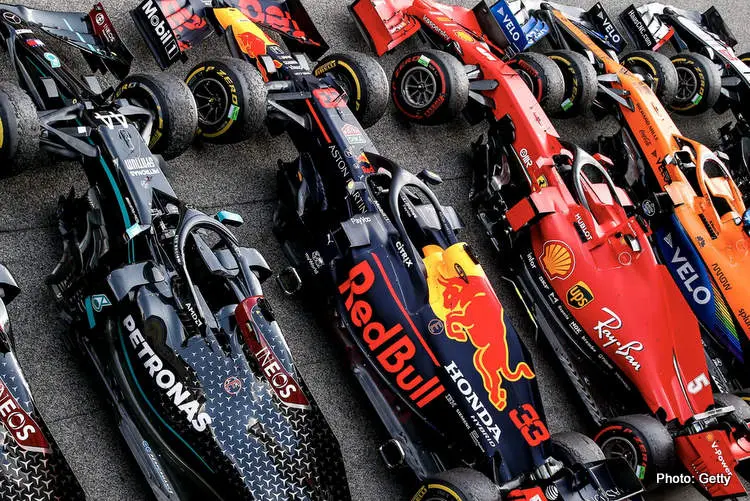
Commercial liveries first appeared in Formula 1 in 1968 when Team Lotus partnered with Gold Leaf cigarettes, ending the tradition of national racing colours. Over the following decades, brands including Marlboro, Camel, Rothmans and John Player Special became synonymous with some of the sport's most successful teams.
Those partnerships delivered hundreds of millions of dollars to Formula 1 teams and played a central role in the sport's commercial expansion. However, tightening health regulations and advertising restrictions gradually removed tobacco branding from the grid, with most major markets enforcing bans by the mid-2000s.
Teams subsequently turned to financial services, telecommunications, technology companies and energy drinks for sponsorship revenue. Gambling firms initially played only a minor role, but the rapid growth of online betting platforms and changes in sports betting legislation created new opportunities which were maximised by XON bet casino no deposit bonus.
Major turning point

A major turning point came in the late 2010s as Formula 1 sought new commercial categories under Liberty Media's ownership. The American company acquired Formula 1 in 2017 and pursued strategies aimed at increasing fan engagement, particularly in the United States and emerging digital markets.
The global reach of Formula 1, combined with its data-driven nature and increasingly younger audience profile, made the sport attractive to betting operators seeking international exposure. Live timing data, race statistics, driver performance metrics and expanding digital coverage created opportunities for in-race wagering and interactive betting products.
Industry observers identified a significant milestone in 2018 when Formula 1 reportedly secured agreements worth more than $100 million connected to betting-related sponsorship opportunities, signalling the category's growing importance within the sport's commercial strategy.
Today, gambling partnerships exist at both Formula 1 level and team level, although their visibility varies depending on local advertising regulations. Formula 1 strengthened its position in the sector with a series of official betting agreements announced ahead of the 2026 season.
Betway became the championship's first official betting operator through a multi-year partnership covering Europe, the Middle East, Africa, Canada and Mexico. The agreement includes betting integrations powered by ALT Sports Data, Formula 1's official betting data supplier, enabling real-time odds and analytics products linked to race events.
High profile partnerships

FanDuel was also named Formula 1's official betting operator in the United States, focusing on race wagering products and data-driven fan experiences in one of the sport's fastest-growing markets.
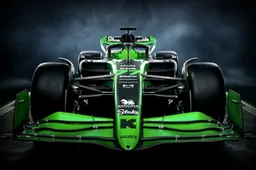
The partnerships underline Formula 1's confidence in regulated sports betting as a long-term commercial category. At team level, the most visible example in recent years was the relationship between Stake.com and Sauber.
The online betting, casino and cryptocurrency platform became title sponsor of the Swiss-based team from 2024, leading to the rebranding of the operation as Stake F1 Team Kick Sauber in many markets.
The arrangement was regarded as one of the most lucrative sponsorship agreements in the midfield, with industry estimates placing its value at more than $30 million annually.
However, the partnership also highlighted the complexities surrounding gambling sponsorships in international sport. In countries with strict gambling advertising restrictions, including several European jurisdictions, the Stake branding was replaced by the Kick streaming platform branding or removed entirely.
The title sponsorship concluded when Sauber transitioned into Audi's factory Formula 1 programme for the 2026 season. Despite the end of the Stake era, gambling-related sponsorship remains present across the paddock.
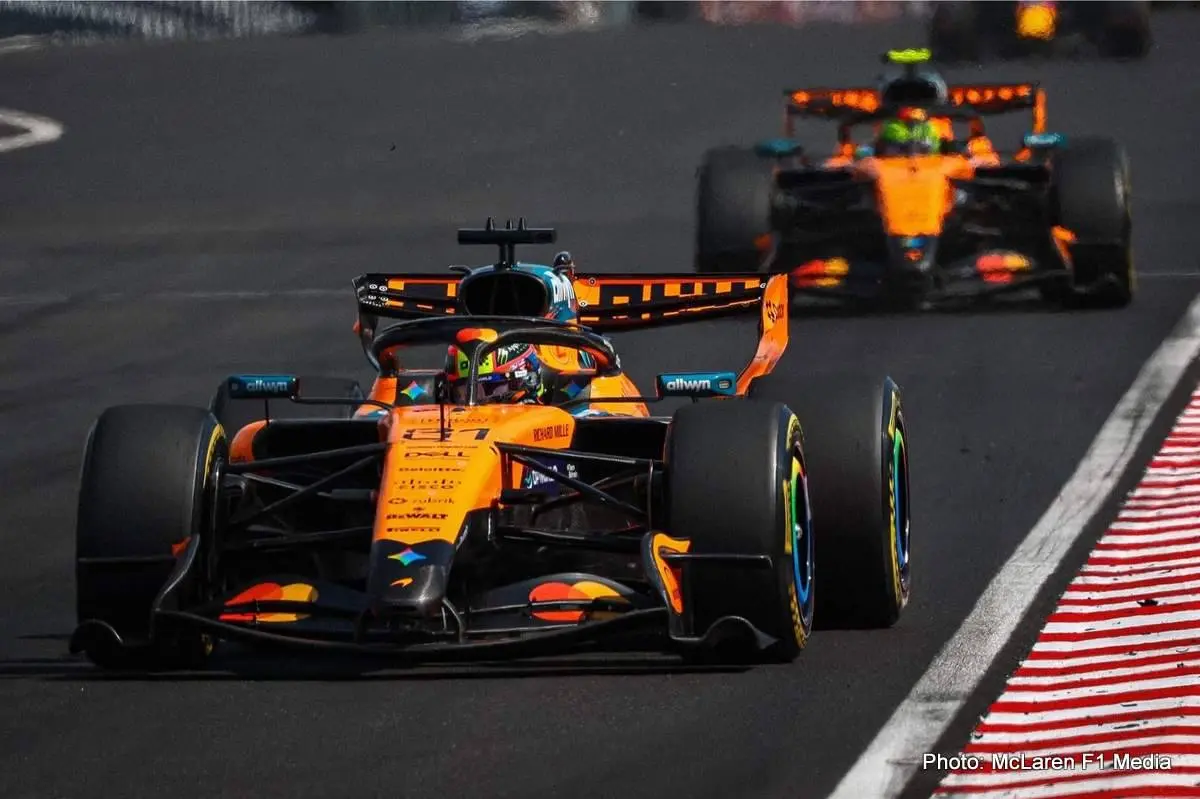
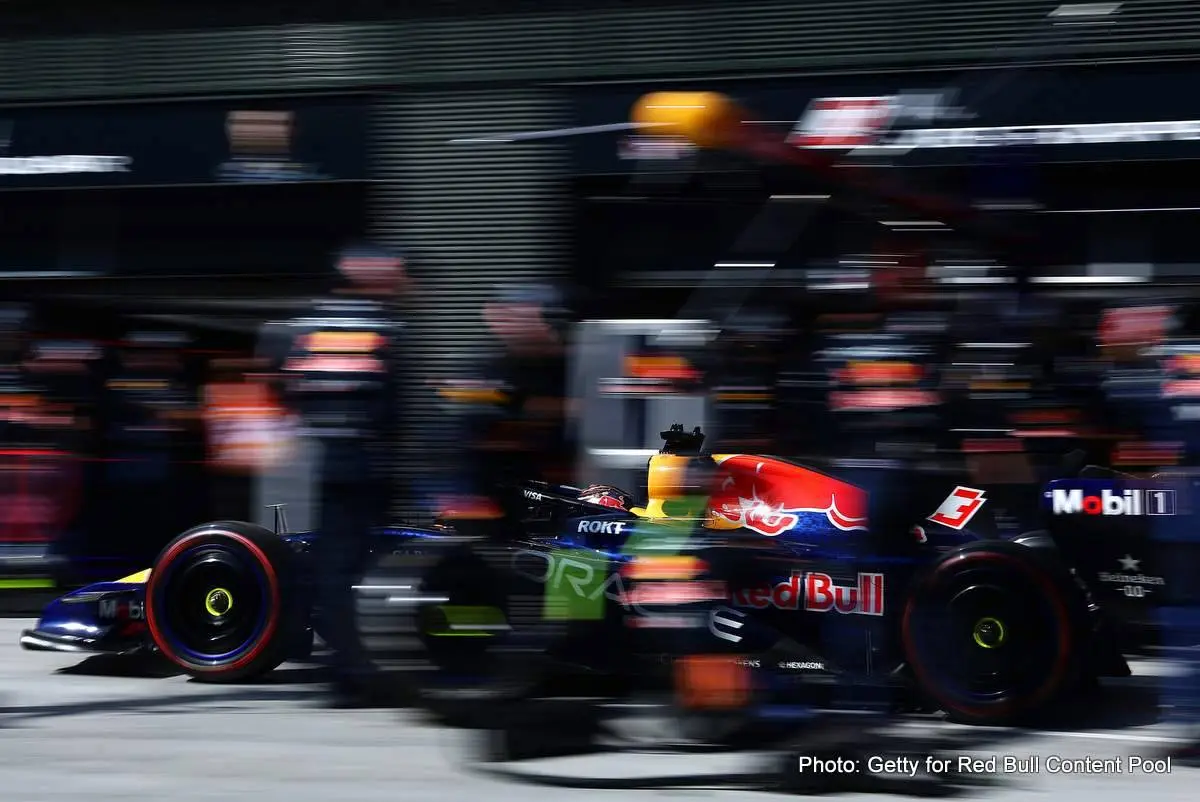
Online poker operator PokerStars continues its association with Red Bull Racing, while Entain brands, including PartyPoker, have maintained links with McLaren. Several teams have also partnered with companies operating in adjacent sectors such as cryptocurrency exchanges, prediction markets and digital entertainment platforms.
The sector's growth has not been without controversy

Critics argue that the increasing visibility of betting brands risks normalising gambling among younger audiences attracted to Formula 1 through streaming services, social media and the popularity of the Netflix series "Drive to Survive."
Campaigners have questioned whether a sport seeking to broaden its appeal to families should be closely associated with gambling companies. Supporters counter that partnerships are primarily with regulated operators that promote responsible gambling measures and comply with strict advertising standards.
Formula 1 has generally adopted a compliance-focused approach, allowing sponsorship agreements while requiring teams and partners to adhere to local laws in each host country. This has created a patchwork system in which branding may appear prominently at some races while being covered or replaced at others.
The Netherlands, for example, has imposed restrictions affecting gambling advertising visibility during Formula 1 events, requiring teams and sponsors to adjust branding accordingly. Unlike tobacco sponsorship, which eventually faced near-universal prohibition across Formula 1, gambling advertising currently remains permitted in most of the championship's key markets.
The category's future growth is likely to depend on regulatory developments, public attitudes and the continued expansion of legal sports betting worldwide.
For Formula 1 teams operating under cost caps but still seeking competitive advantages, gambling companies represent a valuable source of commercial income. For betting operators, Formula 1 offers a global platform reaching hundreds of millions of viewers across multiple continents.
As the sport prepares for a new era featuring manufacturers such as Audi and Cadillac, gambling sponsorships appear set to remain an established part of Formula 1's commercial ecosystem, even as debates over their social impact continue.

Latest News


Loading