The Antonelli Effect: How Formula 1's Newest Star is Shaping the Future of Digital Gaming Brands
F1 Drivers NewsTuesday, 02 June 2026 at 03:46
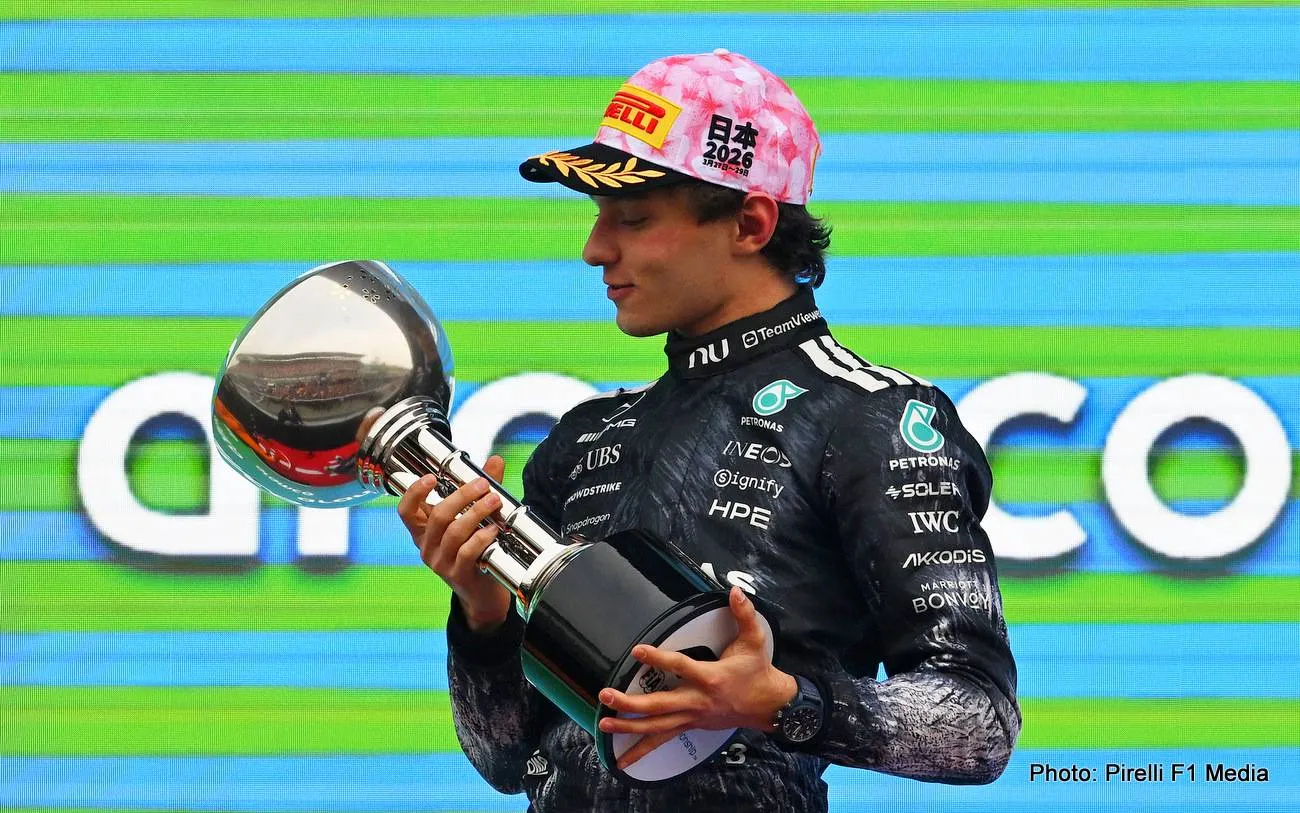
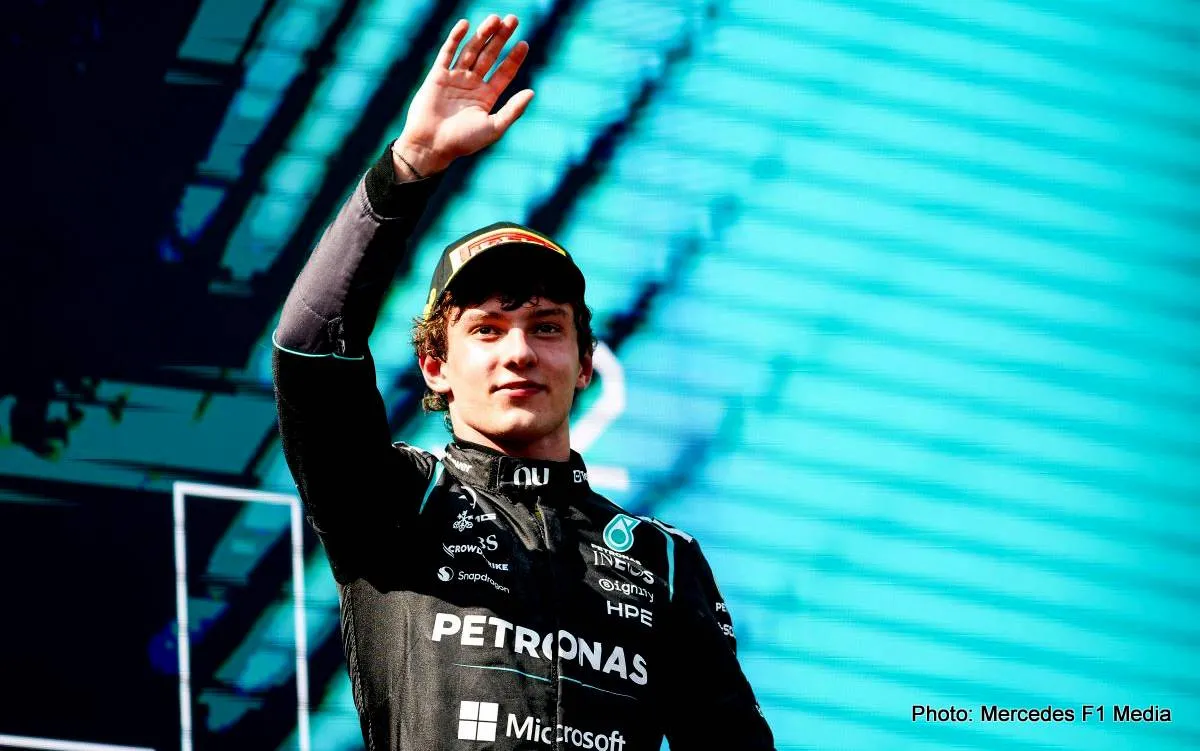
When Mercedes confirmed Kimi Antonelli as Lewis Hamilton's replacement for 2025, the paddock reaction split cleanly between those who thought Toto Wolff had lost his nerve and those who thought he had seen something the rest of the grid had not.
By the time Antonelli took fourth on
debut at Albert Park, starting from sixteenth, the debate had largely settled.
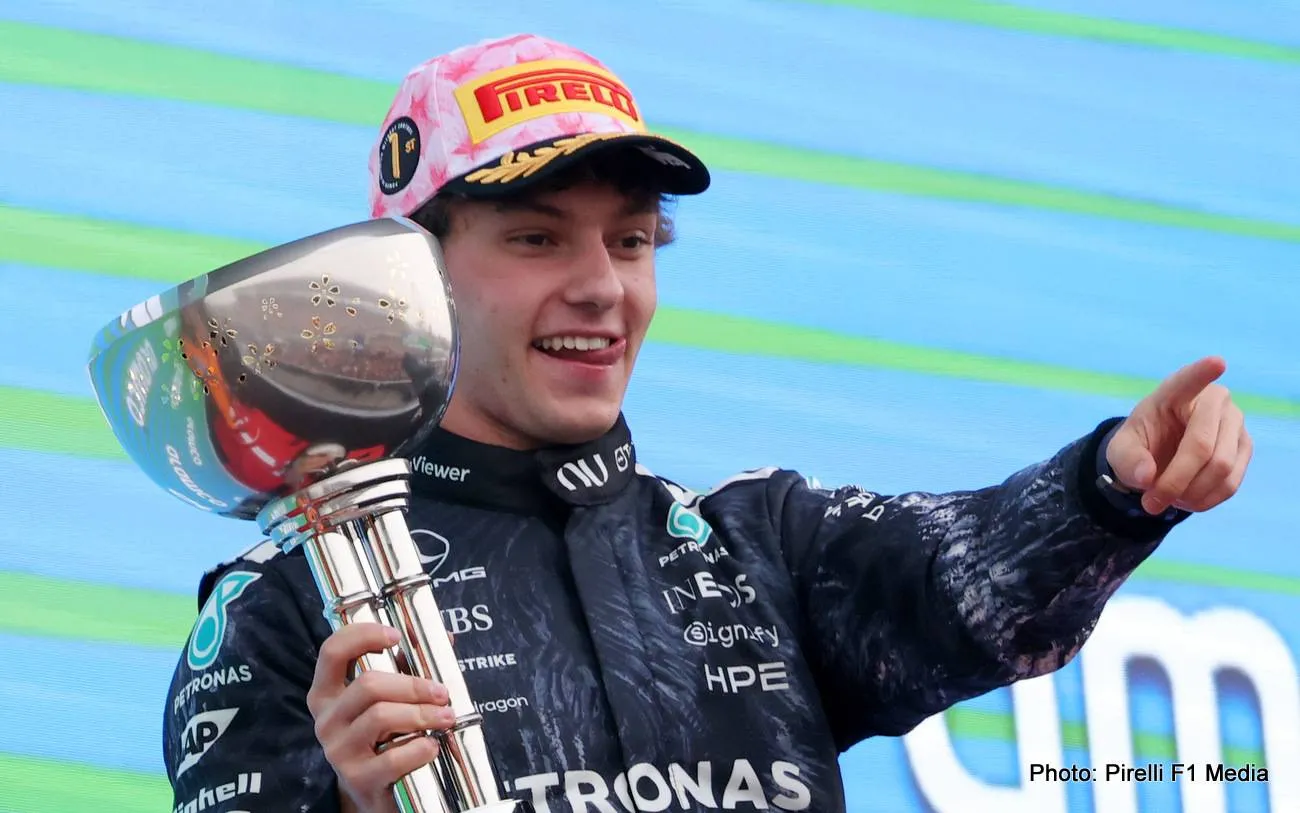
By the time he crossed the line in Shanghai in March 2026 as the youngest
pole-sitter and second-youngest Grand Prix winner in the sport's history, it
was over.
Antonelli is not just a story about talent. He is a
story about the kind of driver F1 is now producing, and what that means for
everyone trying to build a brand around the sport.
The detail that defines Antonelli's generation more
than any lap time is how integral simulator work has been to his development.
Mercedes trackside engineering director Andrew Shovlin was explicit heading
into 2026: Antonelli's appetite for sim hours was a primary asset as the team
prepared for new technical regulations. "He enjoys driving it,"
Shovlin said, "and he'll do as many hours as is required."
The relationship runs both ways. When Mercedes'
simulator encountered technical issues ahead of the 2025 Zandvoort and Monza
double-header, Shovlin openly acknowledged the team shared responsibility for
Antonelli's subsequent drop in form. The sim session was not optional prep. It
was core to his race preparation.
From the Sim to the Silver Arrows

This is the sim-to-grid pipeline made explicit.
Antonelli's telemetry feedback loop between the simulator and the car is not a
supplementary training method.
It is the primary mechanism through which he
builds track knowledge, refines mechanical balance feedback to his race
engineer Pete Bonnington, and adapts to regulatory changes before he ever sits
in the physical car.
A generation of fans watching that process understand it
intuitively in a way their predecessors did not, because they have grown up doing
something similar themselves.
F1 is not a two-hour race anymore. It is a 24/7 content
ecosystem running across eSports championships, fantasy leagues, interactive
betting markets, mobile gaming platforms, and social channels that treat a
qualifying lap as content before the session has even finished.
The F1 Sim
Racing World Championship runs a full season calendar. Teams including Mercedes
operate dedicated eSports divisions.
The commercial inventory around a driver like Antonelli
reflects this shift. He is nineteen, Italian, digitally native, leading the
2026 World Championship, and documentable in the way that younger audiences
expect their sports figures to be documented.
Why Digital Brands Are Moving on This Moment

Netflix's 2025 documentary on his
promotion, The Seat, was a direct line from the paddock into the living rooms
of exactly the demographic that digital gaming brands are trying to reach.
The F1 sponsorship landscape has evolved as digital-first
brands have replaced legacy advertisers across team
inventories. The trend line is consistent: brands that understood the
convergence between motorsport's engineering culture and gaming's interactive
culture moved earlier and built better associations.
The crossover between the paddock and the pixel did not
start with eSports activations or branded fantasy leagues. It started earlier
and more quietly, in the translation of racing's energy into digital
entertainment formats that could run on a screen rather than a circuit.
Microgaming were among the first to bridge
that gap systematically, with titles like their Grand Prix slot machine
capturing the aesthetic language of motorsport for a digital audience.
The
speed, the sequential decision-making, the acceleration of stakes across a fixed
duration: these were not random alignments between two industries. They
reflected a shared DNA between what makes a racing fan watch another qualifying
session and what makes a player stay in a game.
The Heritage Angle: When Racing and Gaming First Crossed

That groundwork matters now because the brands scaling
into F1's digital ecosystem in 2026 are not starting from scratch. They are
extending a relationship between motorsport culture and interactive
entertainment that has been developing for decades.
The sophistication of
today's gamified F1 sponsorships, from blockchain-based fan tokens to real-time
interactive betting markets triggered by live race telemetry, builds on the
foundation of that earlier crossover.
Antonelli is the clearest current expression of
something F1 has been building toward for years: a driver whose professional
development and whose fan engagement both live substantially inside digital
environments, and whose audience expects that overlap as a matter of course.
For gaming brands assessing their commercial inventory
options, that creates a specific kind of opportunity.
The audience that follows
Antonelli's championship campaign on their phone, watches his onboard telemetry
clips on social, and plays F1-themed games on the same device is not a
segmented audience. It is the same person, moving between formats.
The brands that understand that are the ones already
positioned at the intersection of racing culture and digital entertainment.
Getting there early was not luck. It was reading the direction of travel
correctly.
Latest News
Loading