Formula 1 is a sport known for its high-speed races and cutting-edge technology. But did you know it's also one of the most expensive sports worldwide? Each team spends hundreds of millions annually to stay competitive.
“In recent years, Formula 1 has seen a surge in sponsorship revenue, especially from U.S. companies,” says Brandee Doyle, a financial expert at https://www.tremplocounty.com/. “U.S.-based brand partnerships increased from 101 to 138 in just two years, contributing an estimated $721 million annually.
"This growth is partly due to the popularity of the Netflix series Drive to Survive, which has attracted a younger and more diverse audience.”
Let’s find out how F1 sponsorships have evolved, review current trends and key players, and explore the challenges teams face in securing them.
The Evolution of Sponsorship in Formula 1

Like with any other professional sports, Formula 1 is also a big business. Many key players come together to make it all happen. Teams, brands, and sponsors work hard to create partnerships that benefit everyone involved. These relationships can boost a brand’s visibility and help teams succeed. It’s a team effort, and each player contributes something special.
In the early days, Formula 1 teams relied heavily on manufacturer funding. As the sport grew, corporate sponsors stepped in and changed the game. Technology companies, energy drinks, and luxury brands now lead the way. These sponsors bring fresh energy to the sport. There's also been a big shift from traditional ads to digital and social media. Teams and sponsors engage fans online, creating a vibrant community.
Companies like LVMH have recognized F1's marketing potential, signing a $1 billion, 10-year global sponsorship deal. This partnership includes brands like Moët & Chandon and TAG Heuer. This highlights the sport's appeal to luxury brands.
Key Players in F1 Sponsorship

Let’s dive into who these key players are and what they bring to the table in F1 sponsorship.
Team Sponsors
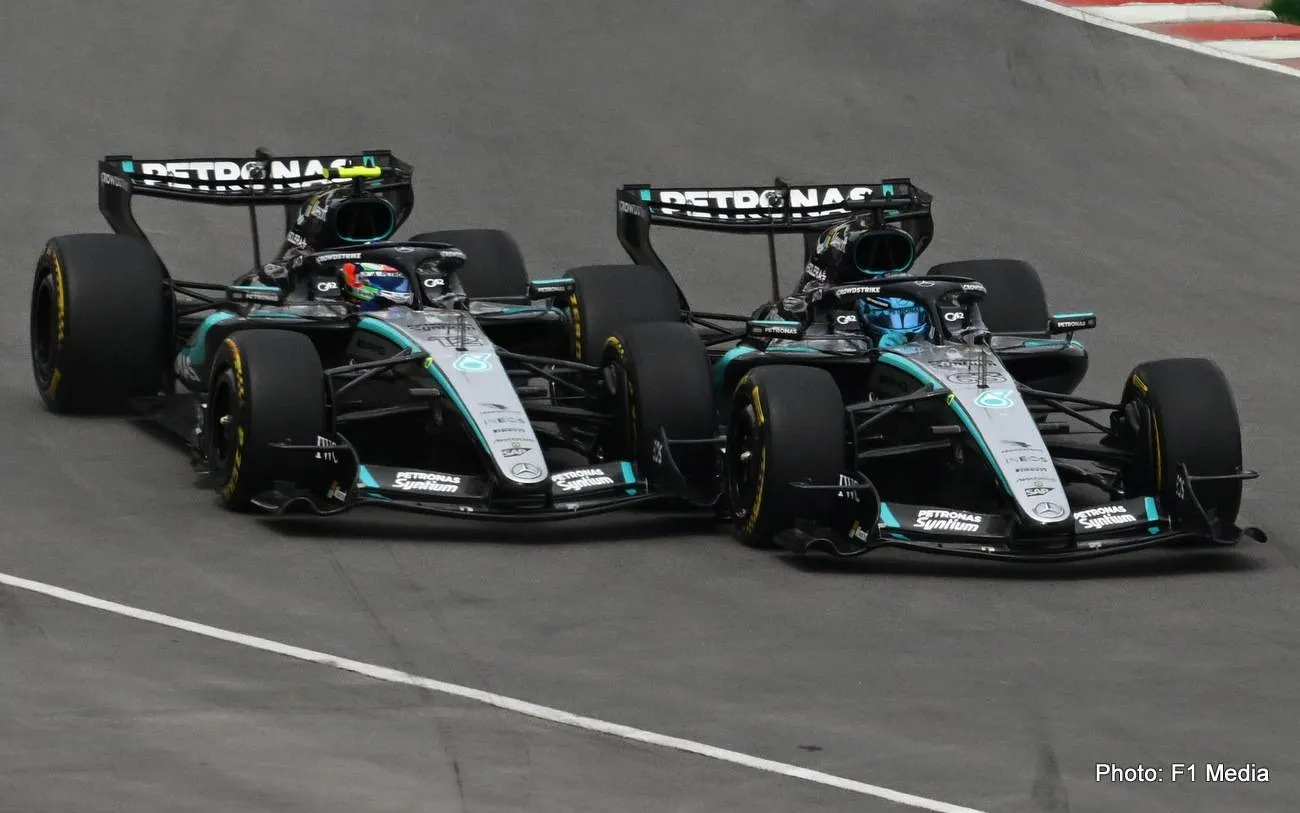
A few examples of team sponsors for Formula 1 are Oracle Red Bull Racing or Petronas Mercedes. These companies provide financial support and help shape the team's identity. Their logos are everywhere, making them part of the team's image. This partnership boosts the teams' financial stability, allowing them to invest in technology and talent. It's a win-win for everyone involved.
Series-Wide F1 Racing Sponsors
F1 racing sponsors like Rolex, Heineken, and Pirelli partner directly with Formula 1. They benefit from the global reach of the F1 brand. Associating with such a prestigious series improves their visibility. Fans around the world see their products, which creates strong brand presence. This move helps the companies connect with passionate motorsport fans.
Regional and Local Sponsors
Race locations often attract regional sponsors. For example, the Emirates sponsors Middle Eastern races. These partnerships help local brands engage with specific markets. They also showcase their products to fans, building community ties and boosting local economies.
Current Trends in F1 Sponsorship

The landscape of sponsorship in the sport is changing rapidly. Brands are adapting to new technologies, consumer preferences, and societal values. Here are the current trends in F1 sponsorship:
Digital and Social Media Activation
F1 teams and sponsors increasingly prioritize digital and social media activity. Brands engage with fans through platforms like Instagram, Twitter, and TikTok. This shift allows sponsors to connect with younger audiences and attract influencers who resonate with F1 fans. This strategy amplifies brand messages and creates authentic connections.
Sustainability-Focused Sponsorships
Sustainability has become a major focus in F1 sponsorship. Brands are aligning with teams that prioritize eco-friendly initiatives to highlight a commitment to environmental responsibility. For example, teams are exploring renewable energy sources and sustainable materials. F1 sponsors that support these initiatives improve their brand image and show consumers that they care about the planet.
Technology Partnerships
Tech companies view F1 as a platform for innovation and brand exposure. They collaborate with teams to develop cutting-edge technologies and drive advances in data analytics, artificial intelligence, and vehicle performance. This helps them become well-known leaders in innovation. Additionally, these collaborations create opportunities for cross-promotion, benefiting both the team and the sponsor.
Diversity and Inclusivity Campaigns
Brands are increasingly aligning with initiatives like "We Race as One." This campaign promotes equality and social impact within the sport. Sponsors recognize the importance of representation and inclusivity. They support programs that encourage diversity among fans, drivers, and teams. By engaging with these campaigns, sponsors show their commitment to social responsibility. This approach attracts consumers who value inclusivity and diversity in brands.
What is the Value of Formula 1 Sponsorship?

Sponsorship helps brands gain global exposure, technological prestige, and strong returns on investment (ROI). Check how it occurs:
Global Reach
F1 has a massive worldwide audience. Millions of fans watch races in different countries. The sport is broadcast in over 180 territories, providing global brand exposure. Sponsors gain visibility through car liveries, driver suits, and trackside banners.
Association with Innovation
F1 is known for cutting-edge technology and performance. Sponsors are associated with speed, precision, and innovation. Companies in the automotive, energy, and technology sectors benefit greatly. Aligning with F1 improves a brand’s reputation and boosts consumer trust and market positioning.
ROI for Sponsors
Sponsorship ROI is measured in various ways. Brand visibility is a key metric. TV broadcasts, social media impressions, and media coverage increase recognition. Fan engagement is another measure. Merchandise sales, digital interactions, and event activations provide direct audience connections. Some sponsors also benefit from B2B partnerships, securing deals within the F1 network.
Main Challenges in Formula 1 Sponsorship

There are also downsides of F1 sponsorship to consider:
Rising Costs
Sponsoring an F1 team is expensive. Top teams demand multi-million-dollar deals. This way, brands face financial barriers and may be limited in their sponsorship options.
Economic Uncertainty
Global financial trends impact sponsorship deals. Economic downturns lead to budget cuts, which affect long-term sponsorship agreements. Companies may reduce spending, forcing teams to seek new partners.
Regulatory Restrictions
Formula 1 advertising bans on tobacco and alcohol have changed the sponsorship landscape. Some industries have strict rules on branding visibility, which limits potential sponsors and pushes teams to explore other sectors.
Competition Among Teams
Big teams like Mercedes and Red Bull attract premium sponsors. Smaller teams struggle to secure deals due to lower performance and exposure. Therefore sponsorship is distributed unevenly between teams from different leagues.
Case Studies of Successful Formula 1 Sponsorships

Sponsorships in Formula 1 go beyond just logos on cars. The right partnerships help teams improve performance, gain financial stability, and build strong global brands. Here are three standout examples:
Red Bull Racing and Oracle
Red Bull Racing partnered with Oracle to boost its data and technology capabilities. Oracle provides advanced cloud computing, which helps the team analyze race strategies, predict outcomes, and improve car performance.
Mercedes-AMG and Petronas
Mercedes-AMG and Petronas have been partners for over a decade. Petronas supplies high-performance fuels and lubricants, which are key to efficiency. This long-term partnership has contributed to Mercedes’ dominance in F1, ensuring stability and consistency. In return, Petronas has gained recognition as a leader in fuel technology.
Ferrari and Luxury Brands
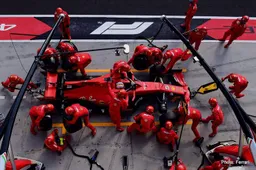
Ferrari takes a unique approach by partnering only with premium brands like Richard Mille, Giorgio Armani, and Ray-Ban. This strategy keeps Ferrari’s image exclusive and aligned with luxury.
What’s Next? The Future of Formula 1 Sponsorship

Sponsorship in Formula 1 is changing fast. New markets, technology, and sustainability efforts are shaping the future. F1 is growing in the Middle East and Asia. More races mean more chances for local brands to join. Sponsors in these regions can connect with passionate fans and expand globally.
Virtual sponsorships are also on the rise. Brands can advertise in the metaverse, offering interactive experiences. Digital trackside ads and online fan zones bring fresh opportunities. Green initiatives are also a big focus. This way, we can expect more eco-friendly brands and tech companies to invest in F1’s push for a greener future.
Smaller, regional brands now have a chance to shine. Social media and targeted campaigns let them engage with F1 fans without massive budgets, opening the door for new partnerships. Sponsorship in F1 is no longer just about putting a logo on a car. It’s about deeper engagement, innovation, and sustainability.
Latest News





Loading