Formula 1 second screen culture as fans turn to interactive platforms
F1 NewsTuesday, 13 May 2025 at 04:23
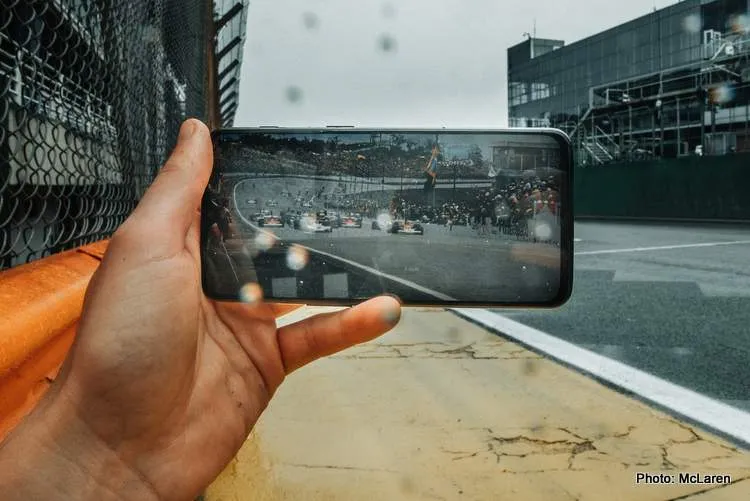
Formula 1 experienced a record surge in digital fan engagement during the 2024 season, according to official F1 data released this month.
With 6.5 million fans attending races and three in four following the sport online, a second-screen culture is reshaping how audiences experience Grand Prix weekends. The trend reflects a strategic push by Formula 1 and broadcasters to expand fan interaction through official apps, live telemetry tools, and integrated race-day platforms.
As Formula 1 embraces a more interactive identity, fans are increasingly blending live race viewing with parallel digital activities. In addition to official platforms such as live timing interfaces and strategy dashboards, fans are increasingly exploring interactive features like race prediction games, fantasy team management, trivia challenges, and short-form mobile experiences.
Fans are also increasingly using interactive mobile applications during races, including fantasy games, race prediction tools, and companion apps that offer real-time statistics. Among the most popular are mobile gaming tools and casino apps that prioritise speed, clarity, and usability, whether you're swiping through them on Android or iOS.
What's special about alternative media platforms?

A number of these platforms extend perks tailored to mobile play, such as streamlined payouts, quick-start access, and rewards like welcome bonuses or cashback, all designed for short, dynamic sessions. With added layers of security like biometric logins and immediate fund processing, they strike a balance between safety and responsiveness.
Built for versatility, these platforms seamlessly fit into moments between laps or during safety car lulls, enriching the viewing experience without ever distracting from it.
What’s emerging is not just a habit but a dynamic layer of interaction—one that continues to adapt and deepen as second-screen culture becomes inseparable from the modern Formula 1 experience. As tools become more responsive, personalised, and immersive, they’re reshaping how fans interact with every lap, pit stop, and position change.
The figures speak volumes. In 2024, Formula 1 drew more than 6.5 million fans across race weekends, with 17 sold-out events and four drawing over 400,000 spectators—a sharp climb from recent seasons.
Yet, what’s equally compelling is the parallel growth in digital engagement. According to Formula 1’s own analytics, three in four fans now follow the sport through at least one digital platform, whether that’s F1 TV, social media feeds, or data-heavy apps delivering telemetry in real time.
Formula 1 digital evolution hasn’t occurred in isolation

Today’s fans crave more than passive viewing—they analyse pit stop strategies, compare lap deltas, and track tyre degradation in real time. Tools like F1 Live Timing now provide direct access to the same data once reserved for teams. Sector breakdowns, radio exchanges, and track position updates have become part of the spectator's toolkit, enriching race engagement with precision and depth.
Meanwhile, broadcasters have responded by integrating split-screen visuals into live coverage, showing multiple feeds simultaneously. It’s not unusual for viewers to watch Max Verstappen’s on-board footage in one quadrant, telemetry in another, while the main feed plays out the wider race picture. This multi-layered storytelling caters perfectly to the appetite of today’s hyper-connected audience.
But the phenomenon extends beyond raw data. Social media has become a second paddock. Drivers, engineers, and team principals now offer insights in real time—some cryptic, others fiery—while fans react in waves. A perfectly timed overtake can trigger thousands of posts within seconds. On platforms like X and TikTok, these reactions often outpace traditional punditry, forming a parallel narrative that feels immediate, electric, and unscripted.
It’s not only about commentary. There’s a gamified dimension too. During races, many fans participate in fantasy leagues or prediction games linked to live events. Who pitted early? Who gambled on hard tires?
These decisions are now part of a communal guessing game, unfolding in digital spaces where strategy meets entertainment. Some apps even allow users to challenge each other based on real-time stats, injecting friendly rivalry into the already intense world of race watching.
Immersion has taken on new dimensions

Virtual reality and augmented overlays are quietly reshaping the race-day experience. Viewers can now step virtually into the paddock or stand at Eau Rouge, watching cars flash by from a driver’s perspective. These tools don’t replace the primary broadcast—they enhance it, stacking layers of sensory detail.
This second screen culture isn’t exclusive to motorsport. A recent study shows 86% of internet users operate a secondary device while watching TV. In Formula 1, though, it’s more than a habit—it’s central to the experience. It’s where strategies are dissected, rivalries intensified, and fan commentary flows as freely as team radio.
Much of this evolution traces back to Liberty Media’s acquisition of the sport. Their shift toward access and innovation brought transparency, surfacing insights once locked behind garage doors or post-race debriefs.
The result? Fans have moved from the sidelines to the heart of the action. With second screens, they’re dialed into every nuance, reacting in real time to tyre gambles, DRS duels, and strategy twists. As this digital culture deepens, it redefines how Formula 1 is lived.
Formula 1 race coverage now includes synchronized digital tools and apps, creating a layered experience where fans interact with both the broadcast and online platforms in real time. The cars may push 200 miles per hour—but online, the tempo is even quicker.
Latest News
Loading