Who Can File a Wrongful Death Lawsuit After a Fatal Motorcycle Crash?
Special FeatureWednesday, 10 June 2026 at 01:50
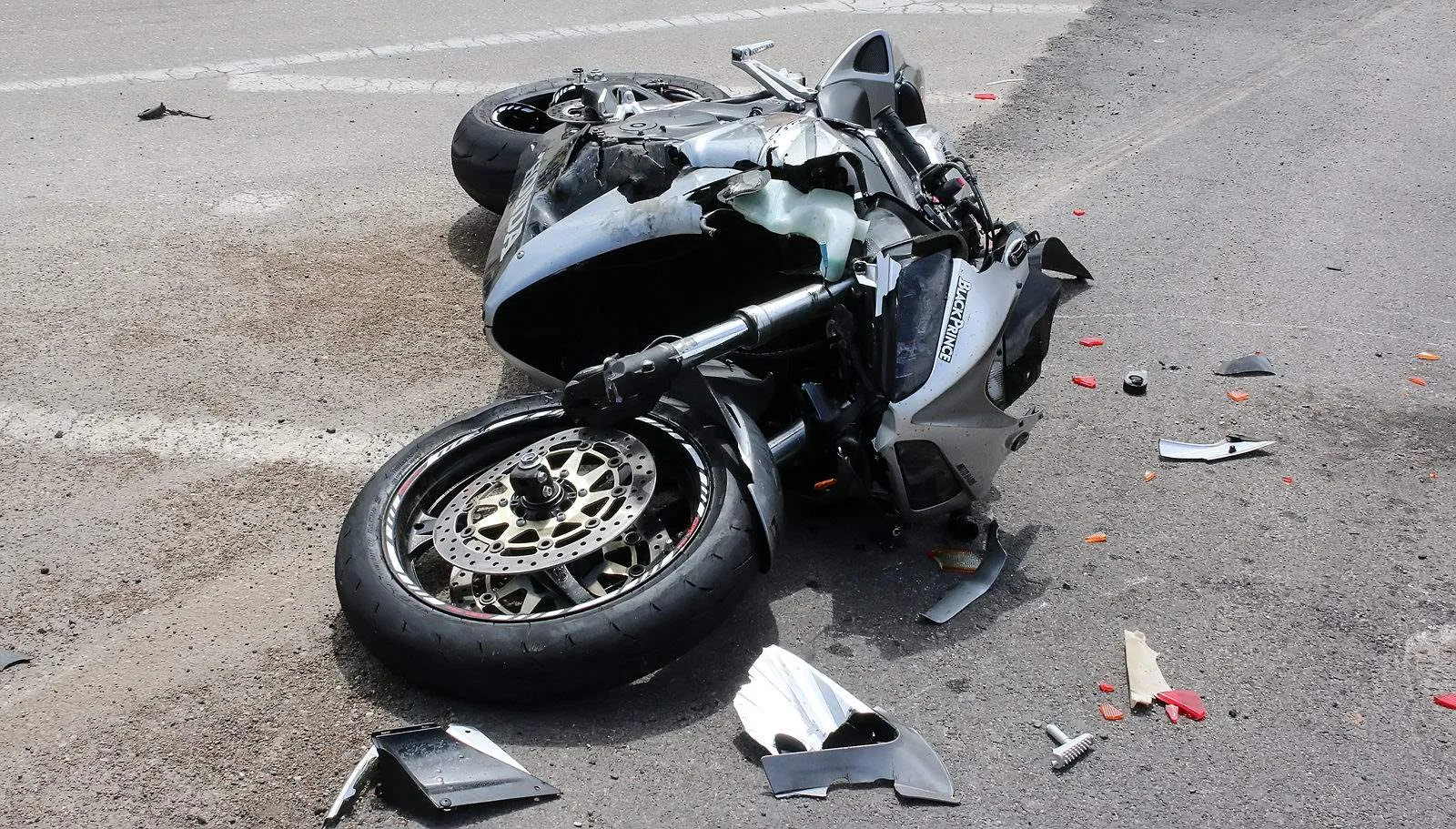
Losing a family member in a fatal motorcycle crash is a pain that hits immediately and does not let up. Legal questions follow quickly, even when families are still in shock.
California law
gives certain family members the right to file a wrongful death claim. Salamati
Law Firm has guided families through exactly this process for decades.
Understanding who qualifies to file is where that process begins.
Who Has Legal Standing to File in California
Not everyone can file a wrongful death
claim in California. The law specifies exactly who qualifies. A surviving
spouse or registered domestic partner holds the strongest legal standing in
most cases. Biological and legally adopted children of the deceased also
qualify under state law.
If no spouse or children exist, the right may extend
to surviving parents or siblings. Talking to attorneys
who handle this can help a family figure out exactly where they stand
before moving forward.
How Negligence Connects to Your Right to Sue
To move forward with a wrongful death
claim, the family has to show that someone else's negligence caused the crash.
Common causes include distracted driving, reckless lane changes, and failure to
yield to motorcyclists.
The responsible party could be another driver, a
manufacturer, or a government agency. Everything in a wrongful death case comes
back to one question: was someone else at fault? Evidence such as police
reports, witness statements, and accident data all plays a role. Without solid
proof of fault, a case is much harder to win.
What Damages Surviving Families Can Recover
Families can seek compensation for
financial losses and the emotional toll this has taken. These damages often
include the loss of income the victim would have provided over a lifetime.
Funeral and burial costs are recoverable, as are medical expenses incurred
before death.
The emotional toll, including loss of companionship and parental
guidance, can factor into damages. California courts allow families to pursue
these losses even when the victim was partially at fault. Comparative
negligence rules reduce the final award by the victim's percentage of
responsibility.
The Role of California's Comparative Fault Rules
California uses a system that can work in a
family's favor even when fault is shared between parties. Even if the
motorcyclist bore some responsibility for the crash, surviving family members
can still recover. A jury assigns a fault percentage to each party involved in
the accident.
Compensation is then reduced by the motorcyclist's share of
fault. A 20 percent fault finding reduces a one-million-dollar award by two
hundred thousand. Shared fault does not automatically shut the door on a
wrongful death claim in California.
Why Acting Quickly After a Fatal Crash Matters
California sets a strict deadline for
filing a wrongful death lawsuit. Miss that window, and the right to file can be
gone for good. Evidence degrades over time, and witnesses become harder to
locate as months pass.
Insurance companies often move fast to close cases
before families fully understand what they are entitled to. Starting the legal
process early gives attorneys more room to investigate and build a solid case. Early
legal guidance means more time to gather evidence before it disappears.
These cases are complicated, and the rules
around who can file and when are strict. California's filing window is
generally two years. Some cases are shorter. Working with legal counsel helps
ensure no critical step is missed.
Families going through this need straight
answers and someone genuinely fighting for them. The process is a lot to
navigate, but a good attorney breaks it down and handles the heavy lifting. The
right attorney knows these cases. That is not a small thing.
This is a special report for our Formula 1 readers and F1 fans seeking insurance guidance and information.


Latest News








Loading