Who are the sponsors of Formula 1 and why Silicon Valley is taking over the paddock
Special FeatureThursday, 07 May 2026 at 02:21
There was a time when Formula 1 sponsorship meant cigarette logos, oil companies and car manufacturers jostling for space on a livery. Marlboro on McLaren, Camel on Williams, Shell on Ferrari.
The paddock ran on fossil fuels
in every sense. That world is largely gone. In its place, a different kind of
power has moved in: tech companies, digital payment platforms and fintech
giants are now among the most visible names in the sport.
The shift did not
happen overnight, but it has accelerated sharply in the past five years,
reshaping not just what F1 looks like but what it represents as a commercial
and cultural product.
A brief history of F1 sponsorship: from tobacco to tech
For
decades, tobacco brands dominated Formula 1 in a way that seems almost
unthinkable today. From the late 1960s through to the early 2000s, cigarette
manufacturers poured enormous sums into the sport, using the global television
audience as a advertising platform with few equals.
When
tobacco advertising was banned across the European Union in 2005, teams were
forced to find new money fast. Oil majors, banks and luxury goods brands
filled part of the gap, but the underlying economics of the sport changed
significantly.
It
took another decade, and the arrival of Liberty Media as commercial rights
holder in 2017, to properly unlock the next chapter. Liberty repositioned F1 as
a global entertainment property, targeting younger audiences and new
markets, particularly in the United States. That strategic shift is precisely
what made the sport attractive to a completely different category of sponsor.
Who are the main sponsors of Formula 1 today?
At
the series level, Formula 1's official partner roster includes some of
the world's most recognisable brands. AWS powers the sport's data and
broadcasting infrastructure, delivering real-time performance analytics to both
broadcasters and fans.
Heineken holds the official beer partnership. Aramco,
the Saudi state oil company, remains a significant presence, though it now
shares the paddock with brands that could not be more different in nature. At team
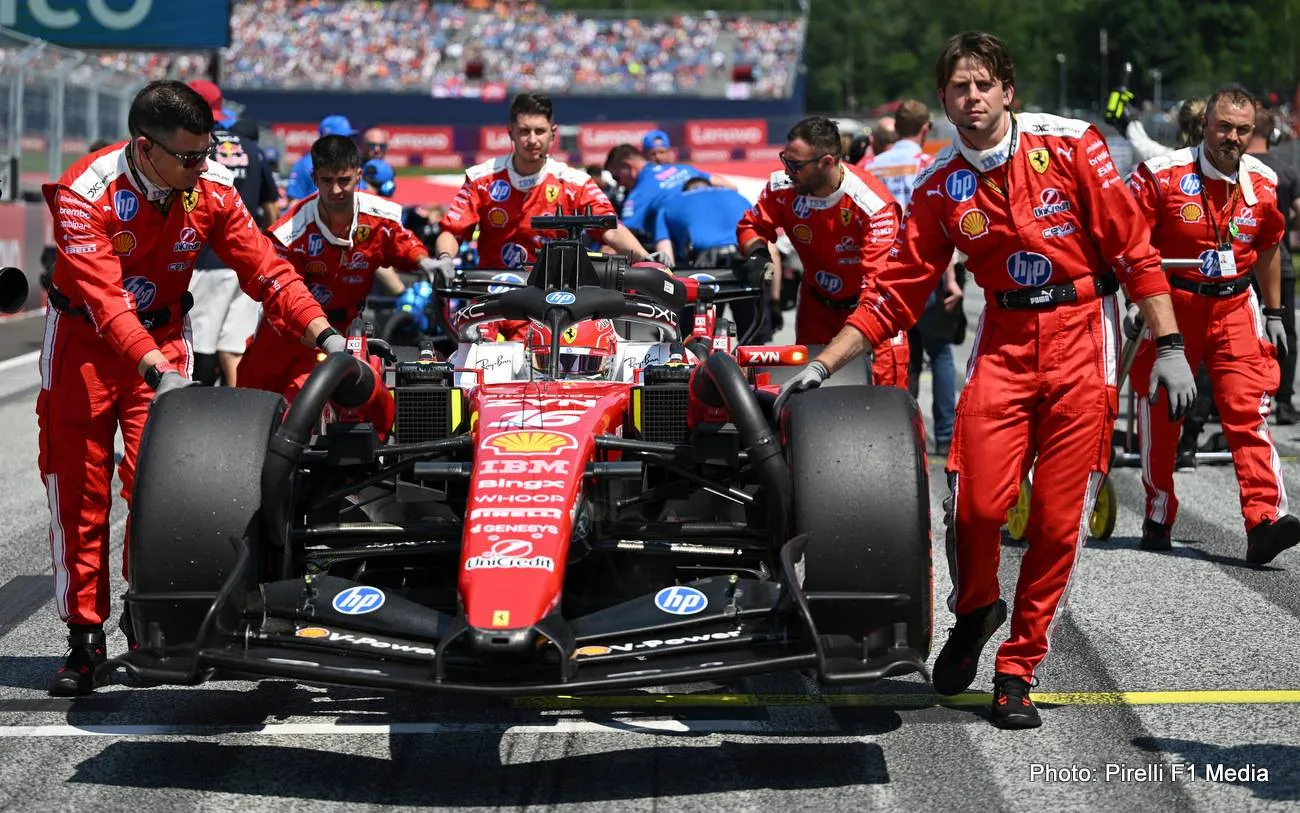
level, the picture is more telling. Ferrari retains HP as a title partner.
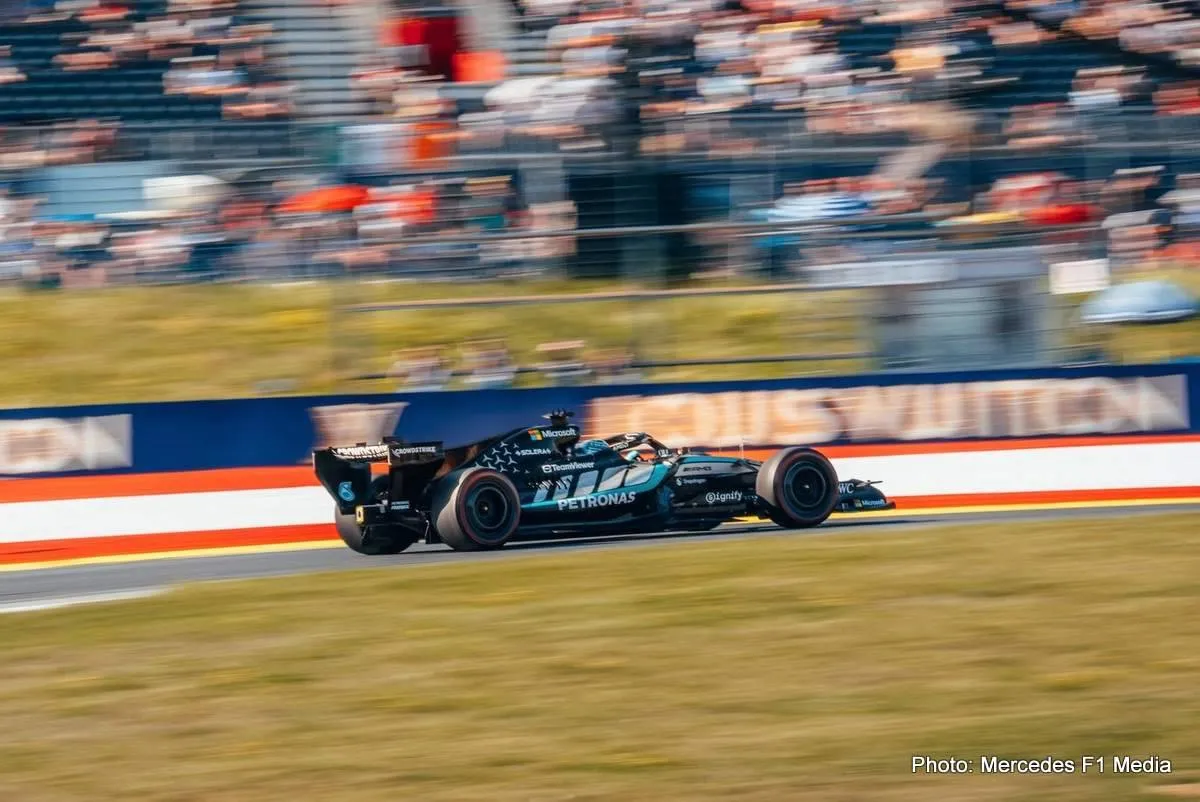
Mercedes works with Google's rivals at various levels.
But
it is the arrival of digital payment companies and technology platforms
that has most dramatically changed the complexion of the grid. Mastercard,
Visa, Revolut and Google are all now embedded in the sport in ways that go well
beyond a logo on a sidepod.
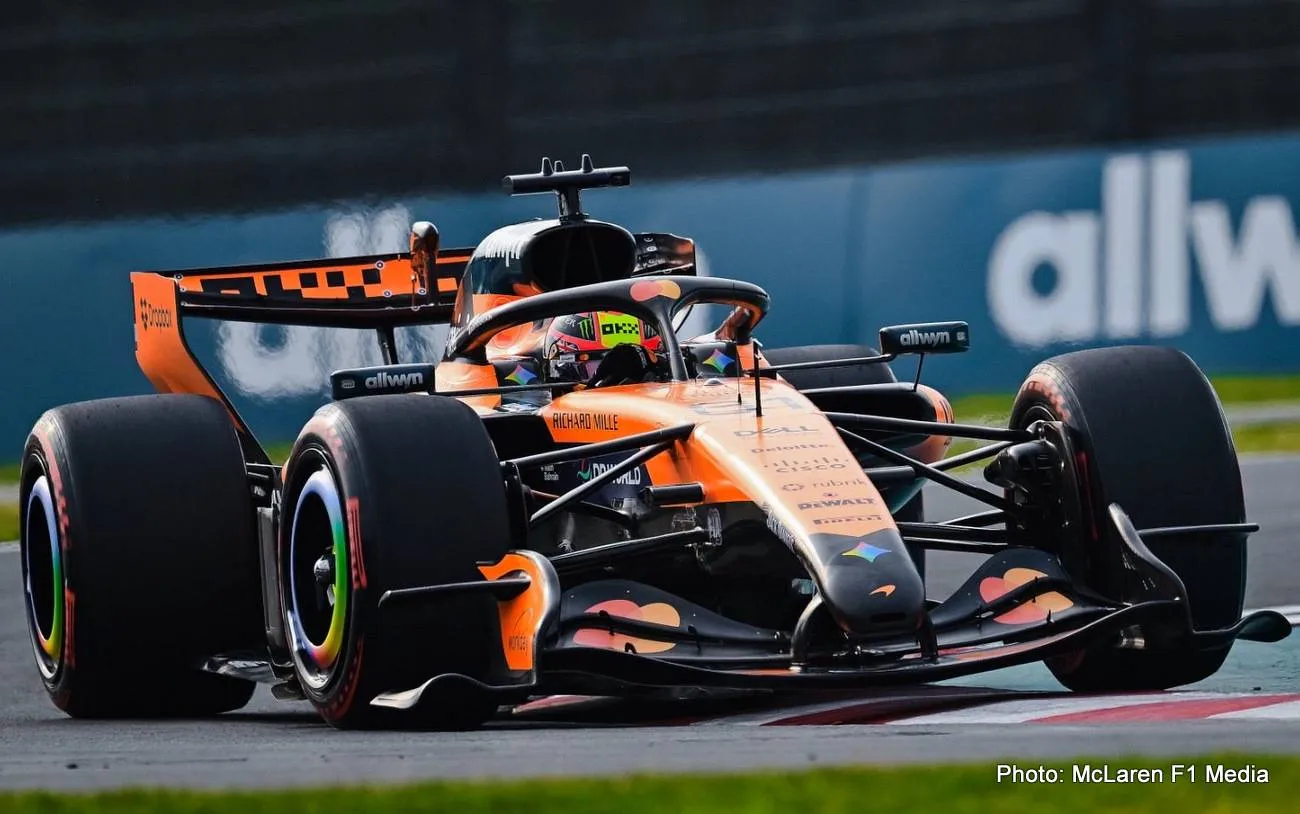
Google and McLaren: when a tech giant becomes a real team partner
The
partnership between Google and McLaren is probably the most discussed
tech deal in the paddock, and for good reason. It goes considerably further
than most sponsorship arrangements. Google has integrated its products directly
into McLaren's operations, with Android devices and Gemini AI used by
engineers and crew during race weekends.
The relationship has evolved since it
began, shifting from a focus on Chrome to a broader showcase for Google's AI
capabilities.
From
a strategic standpoint, what Google gets from this deal is arguably more
valuable than any billboard: a high-pressure, globally visible environment in
which to demonstrate that its technology works under the most demanding
conditions imaginable.
For McLaren, the benefit is access to tools that
genuinely improve how the team functions, rather than a cheque that simply
keeps the lights on.
Why F1 makes sense for Google's global strategy
Google's
decision to invest in Formula 1 is not sentiment. The sport now reaches over 1.5 billion
people across 180 countries, with a fanbase that skews younger
and more digitally engaged than almost any comparable global property. That
audience uses Google products every day, from Search to Maps to Android.
Embedding the brand inside a sport that demographic actively follows is a
straightforward play. It also positions Google directly against Oracle, which
holds a major partnership with Red Bull Racing, turning the F1 paddock
into an extension of the broader cloud and AI wars being fought in Silicon
Valley boardrooms.
Beyond the circuit: how digital payments are rewriting the F1 fan experience
The
way fans interact with Formula 1 has changed beyond recognition over the past
decade. Attending a race today at Silverstone or the Circuit de
Barcelona-Catalunya means navigating an environment that is increasingly
cashless, app-driven and built around seamless digital transactions.
Merchandise, hospitality, food and drink are all moving toward contactless
and mobile payment systems, with Google Pay among the methods now widely
accepted at major events.
That
shift extends well beyond the circuit itself. The broader ecosystem of digital
entertainment that surrounds F1, from fantasy racing platforms to online
gaming and betting sites, has moved in the same direction.
Non-AAMS platforms that support Google
Pay as
a payment method have become part of how a digitally native fanbase stays up to
date with news, analysis and odds between races. The infrastructure Google helped normalise
inside the paddock is the same infrastructure fans are now using across every
corner of their digital lives.
The fintech invasion: Mastercard, Revolut and the $500M bet on Formula 1
Google
is far from alone. Financial technology companies have made Formula 1
one of their preferred global stages, committing sums that reflect just how
seriously they take the sport's audience. From 2026, McLaren will race as the McLaren
Mastercard Formula 1 Team, marking one of the most significant title
sponsorship deals in recent memory.
At
VCARB, Visa and Cash App hold a joint naming arrangement, the first
dual-fintech title deal in the sport's history. Revolut, the London-based
neobank, has aligned itself with the Sauber outfit ahead of its relaunch as the
Audi works team.
The
logic connecting all three is consistent: Formula 1's fanbase is young,
internationally distributed, financially active and increasingly comfortable
managing money through apps rather than banks. For fintech brands still
building trust and recognition, that audience is close to ideal.
What these deals say about F1's audience
The
concentration of payment and financial brands in Formula 1 is not
coincidental. Research consistently places the average F1 fan under 35, with
above-average income and high digital engagement. These are precisely the users
that Revolut, Cash App and Mastercard are competing to acquire and
retain.
Sponsoring a team or a race does not just put a logo in front of that
audience; it associates the brand with speed, precision and a certain kind of
aspiration that financial products rarely generate on their own. It is a
calculated move, and the investment figures reflect it.
Oracle, AWS and the others: Silicon Valley's full takeover of the paddock
Beyond
Google and the fintech wave, the infrastructure of modern Formula 1 is
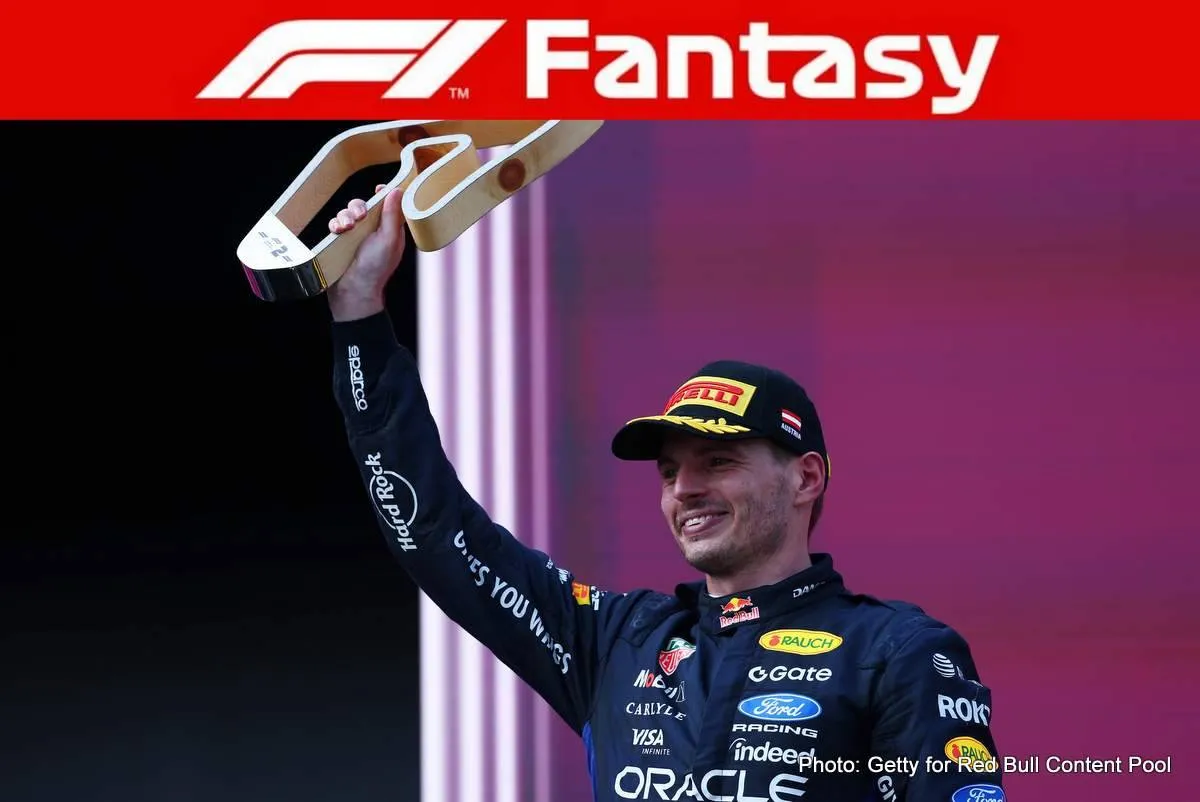
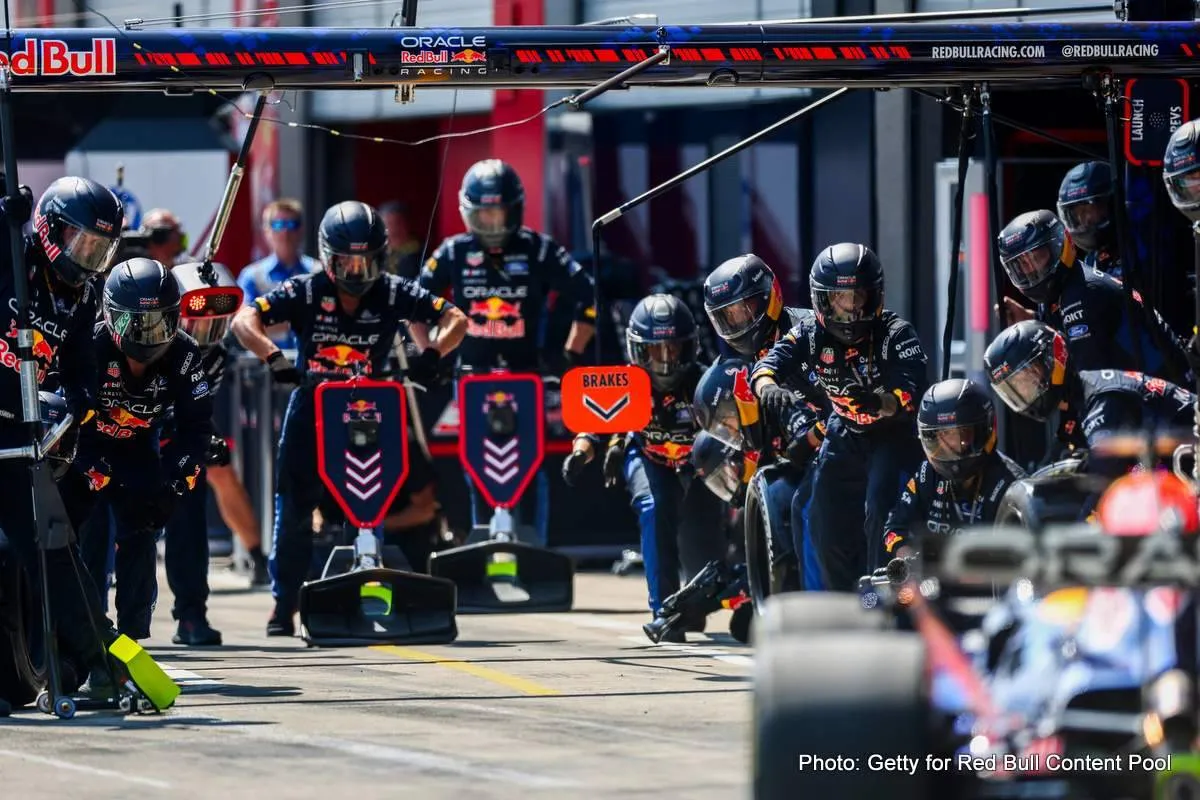
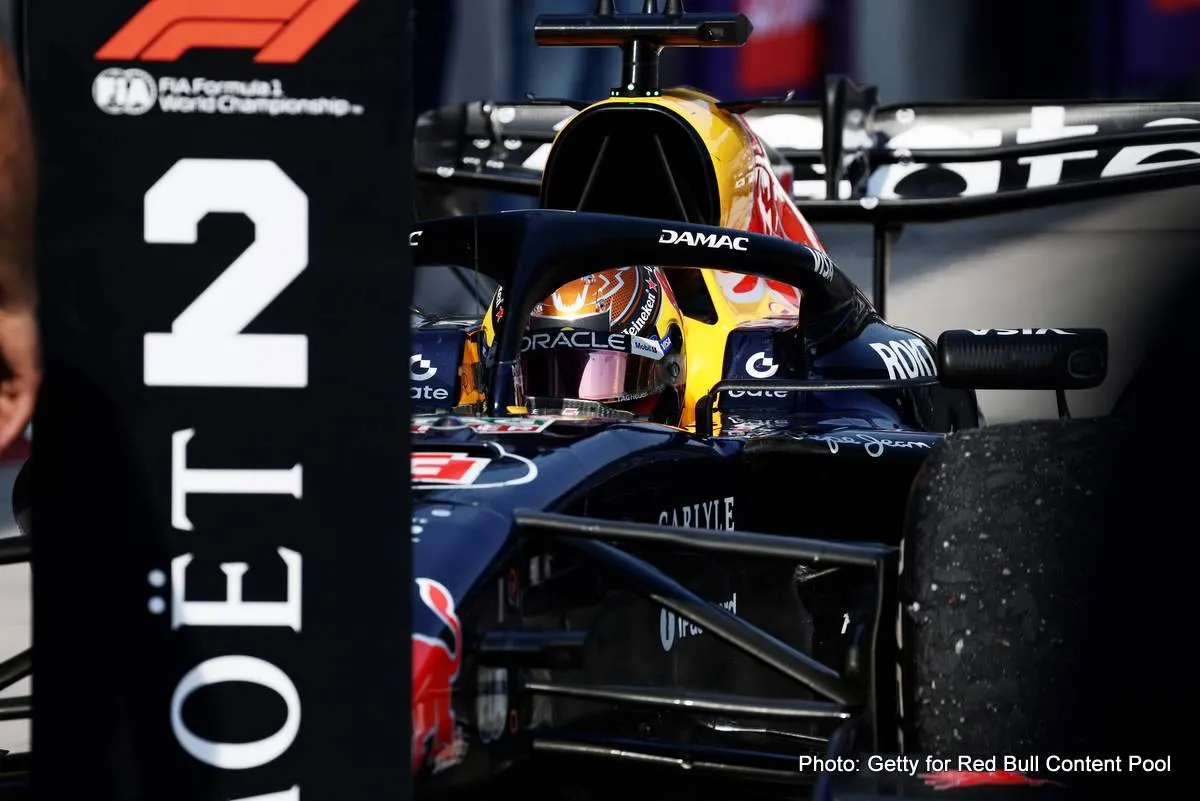
almost entirely built on American technology. Oracle's partnership
with Red Bull is among the most operationally significant in the paddock:
the company provides the cloud computing power that underpins Red Bull's
race strategy, pit stop calculations and aerodynamic simulation.
AWS,
meanwhile, holds an official partnership with Formula 1 itself, processing the
torrent of data generated during each race and turning it into the graphics and
insights that broadcasters around the world now rely on. These are not vanity
deals.
They reflect the reality that modern F1 cannot function without
the kind of computing infrastructure that only a handful of companies on earth
can provide. Silicon Valley did not just sponsor Formula 1. In many respects,
it now runs it.
What's next: who will be the next tech giant to enter F1?
With
Google, Oracle, AWS and a roster of fintech brands already embedded in the
sport, the obvious question is who comes next. Apple remains
conspicuously absent from Formula 1, despite its deep involvement in other
sports properties.
Meta has shown little appetite for traditional
sponsorship, though its platforms are central to how F1 reaches younger fans.
The more interesting candidates may be companies less immediately obvious: AI
startups, semiconductor manufacturers or streaming platforms looking for the
kind of sustained global visibility that only a handful of sports can offer.
What is already clear is that the days of oil companies and cigarette brands
defining the look of Formula 1 are not coming back. The paddock has a new set
of landlords, and they all have fibre broadband.

Latest News


Loading