Regaining Legal Driving Status After a Serious Violation
Special FeatureThursday, 15 January 2026 at 12:32
A marshal waves a yellow flag, and every driver lifts before the next corner arrives. On CA roads, one serious violation can trigger that same sudden change in driving pace. The change is formal, and it starts with notices, deadlines, and a changed license status.
Many drivers face this after DUI, reckless driving, or an uninsured crash that triggers a DMV action. If proof must be filed, IIS Insurance's SR-22 can help satisfy CA insurance filing rules after serious violations. The goal is not to sell anything, it is to get you legal and insured again.
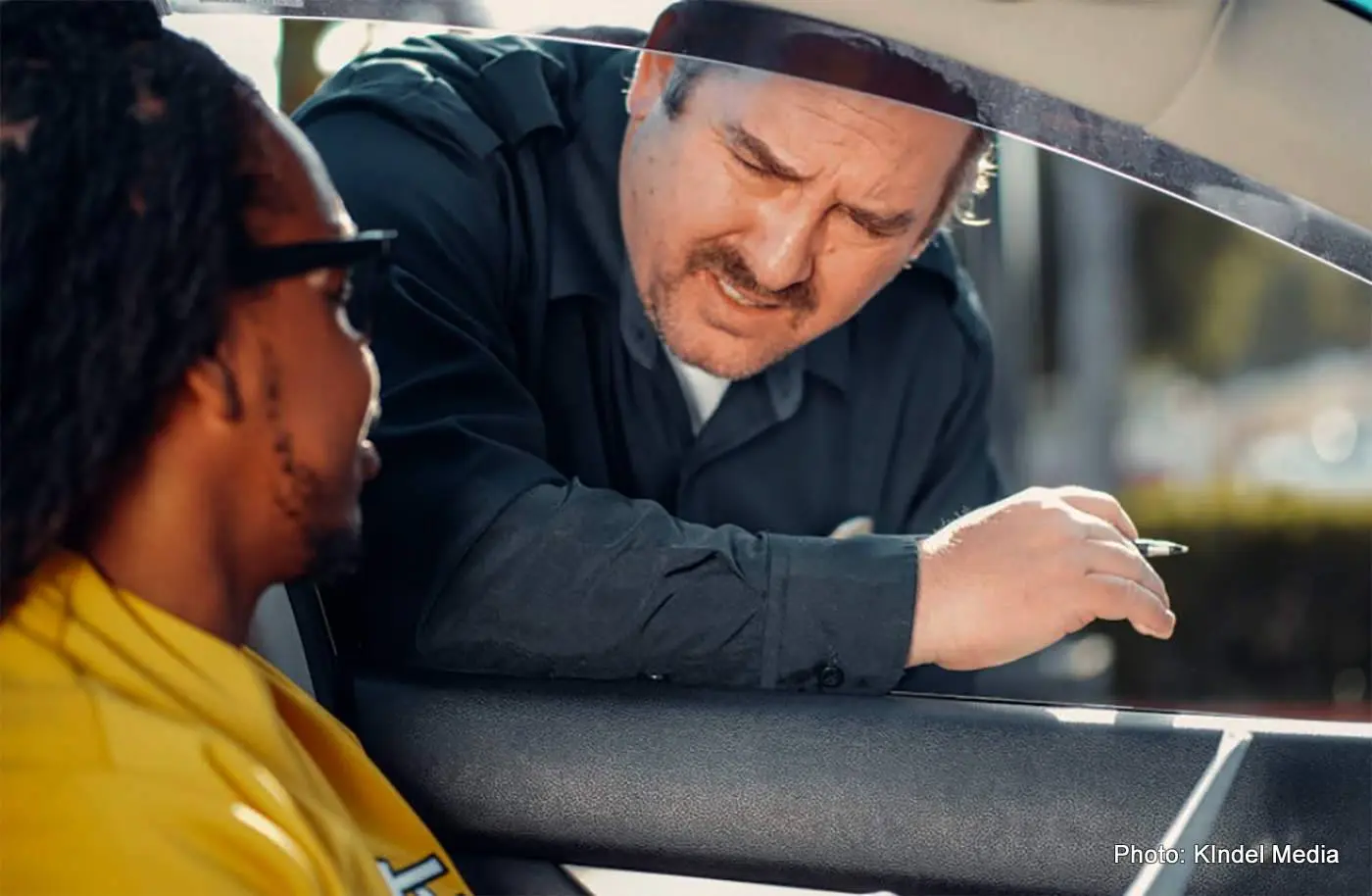
Photo by Kindel Media
Why This Topic Fits Formula 1 Readers
Formula 1 penalties are public, documented, and tied to safety outcomes that teams remind drivers about. Street driving has the same accountability, but the evidence sits inside DMV records and court files. Once a serious violation is recorded, your license becomes a requirements problem you must solve.
A serious violation is more than a ticket, because it can suspend or revoke your license quickly. Both block normal driving, yet they start and end through different legal steps and timelines. Knowing which action applies helps you avoid paying for the wrong fix or missing a deadline.
Most drivers notice the impact at work commutes, school drop offs, and medical appointments that cannot wait. Insurers also reprice risk after major violations, because loss history and future claims become more likely. A calm plan reduces mistakes, and it keeps you from driving illegally while you sort paperwork.
What Suspended And Revoked Mean In California
A suspension pauses your driving privilege for a set period, often with conditions you must complete. A revocation ends the license, and you must apply again after you satisfy every stated requirement. Either action can appear on your record, and both can affect future enforcement decisions statewide.
DMV can act through an administrative process, while the criminal case follows its own schedule. That split explains why a court hearing does not always end the DMV action on your license. You may need to satisfy both systems before the status line changes in the DMV database.
Reissue fees are common, and some can be paid online through DMV’s virtual office tools. The official DMV reissue fees page lists common fee types and notes who can pay online. Save receipts and confirmation screens, because processing delays can make proof useful during a phone call.
How An SR 22 Filing Works
An SR 22 is not extra coverage, and it is not a separate policy you buy alone. It is a form your insurer files with DMV to show you carry the required coverage. The filing tells the state you meet basic insurance rules after certain high risk actions.
Going through the correct steps to take out an SR22 insurance policy will ensure that your driving privileges are reinstated as quickly as possible following a suspension. By maintaining continuous coverage and ensuring the document remains on file, you demonstrate long-term financial responsibility to the state and avoid further legal complications.
DMV may require this filing after DUI related actions, repeat violations, or uninsured collision suspensions. The requirement is time based, and it often lasts for multiple years instead of weeks. If your policy cancels during that period, the insurer reports it, and DMV can suspend you again.
If you do not own a car, you may still need a non owner policy with the filing. That can cover you when you drive borrowed cars, within policy limits and stated exclusions. Ask DMV for the exact start and end dates, because the clock starts when your license is restored.
A Step By Step Plan To Regain Legal Status
Start by confirming why DMV acted, because each cause has a different checklist and timeline. A DUI action differs from a negligent operator suspension, and unpaid citations add another path. Your notice tells you which office controls each step, so read it slowly and take notes.
Gather every document that proves compliance, and store it in one folder you can access fast. Include receipts, program certificates, court minute orders, and any restricted license paperwork you receive today. When you call agencies, write down names, dates, and reference numbers so nothing gets lost.
A short checklist keeps the process moving, especially when the case spans weeks or months. Mark deadlines on a calendar you check daily, and set reminders two weeks before each due date. These steps follow the order many drivers face, but always match them to your notice.
- Read the DMV notice, then record the case number, deadlines, and every listed condition in plain language.
- Pay any reissue fees, then save proof in two places, including a cloud folder and a printed copy.
- File required insurance proof if needed, which may include an SR 22 filing before DMV starts the return process.
- Complete any DUI program or traffic school promptly, then request a completion certificate showing your full legal name.
- Apply for a restricted license if eligible, and follow route, hour, and vehicle limits without exceptions.
If an ignition interlock device is required, schedule installation early and keep calibration records for inspections. NHTSA notes interlocks reduce impaired driving while installed, and it explains common limits on its interlock overview. Before you drive, confirm your status is updated in writing, because database changes can lag behind receipts.
Costs, Timelines, And Mistakes That Reset Progress
Expect costs beyond fines, because getting your license back adds fees and required steps under tight deadlines. Program tuition, towing, storage, and insurance increases can strain a budget that was already stretched. Planning for several payment points prevents panic spending that leads to missed renewals or late fees.
Timelines vary by violation and record, but many delays come from small paperwork mistakes that compound. Paying the wrong fee, filing the wrong form, or missing a deadline can reset progress by weeks. If you are unsure, ask the agency for the next required action and the proof it expects.
Coverage lapses are the fastest way to lose progress during an SR 22 filing period in CA. Even a short gap can trigger a new suspension when the insurer reports the cancellation to DMV. Restricted licenses also have strict limits, so keep paperwork in the car and follow routes exactly.
After your license returns, treat insurance, fees, and paperwork like routine maintenance that protects your driving status. Set reminders for renewals, keep proof accessible, and confirm each requirement ends before you relax. That steady approach keeps you legal, lowers the chance of repeat penalties, and restores day to day mobility.

Latest News










Loading