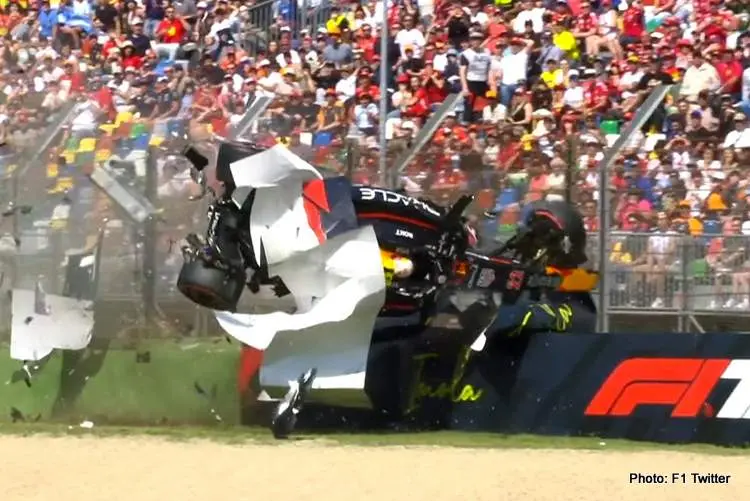
Even the world’s best-trained drivers, Formula 1 champions, Formula 2 rising stars, and elite test drivers, aren’t immune to devastating crashes.
And when they do go off track, it’s not just bent metal. It’s lifelong recovery, lost careers, and hard lessons in safety.
From high-speed impacts to catastrophic mechanical failures, these moments in motorsport history show just how fragile even the best-prepared drivers can be. And if they can’t always walk away unscathed, what about the rest of us, driving on highways with far fewer safety systems?
Real Crashes That Shook the Racing World
Martin Donnelly – The Crash That Ended It All
In 1990, during practice at Jerez, F1 driver Martin Donnelly’s Lotus suffered a catastrophic suspension failure. The car disintegrated on impact, ejecting Donnelly violently from the cockpit. He was left unconscious, with severe leg and internal injuries.
Though he survived, the crash abruptly ended his Formula 1 career. Even today, it’s remembered as one of the most terrifying in the sport’s history, highlighting how quickly a mechanical issue can turn lethal, even with a full team and safety crew just seconds away.
Juan Manuel Correa & Anthoine Hubert – A Tragedy at Spa
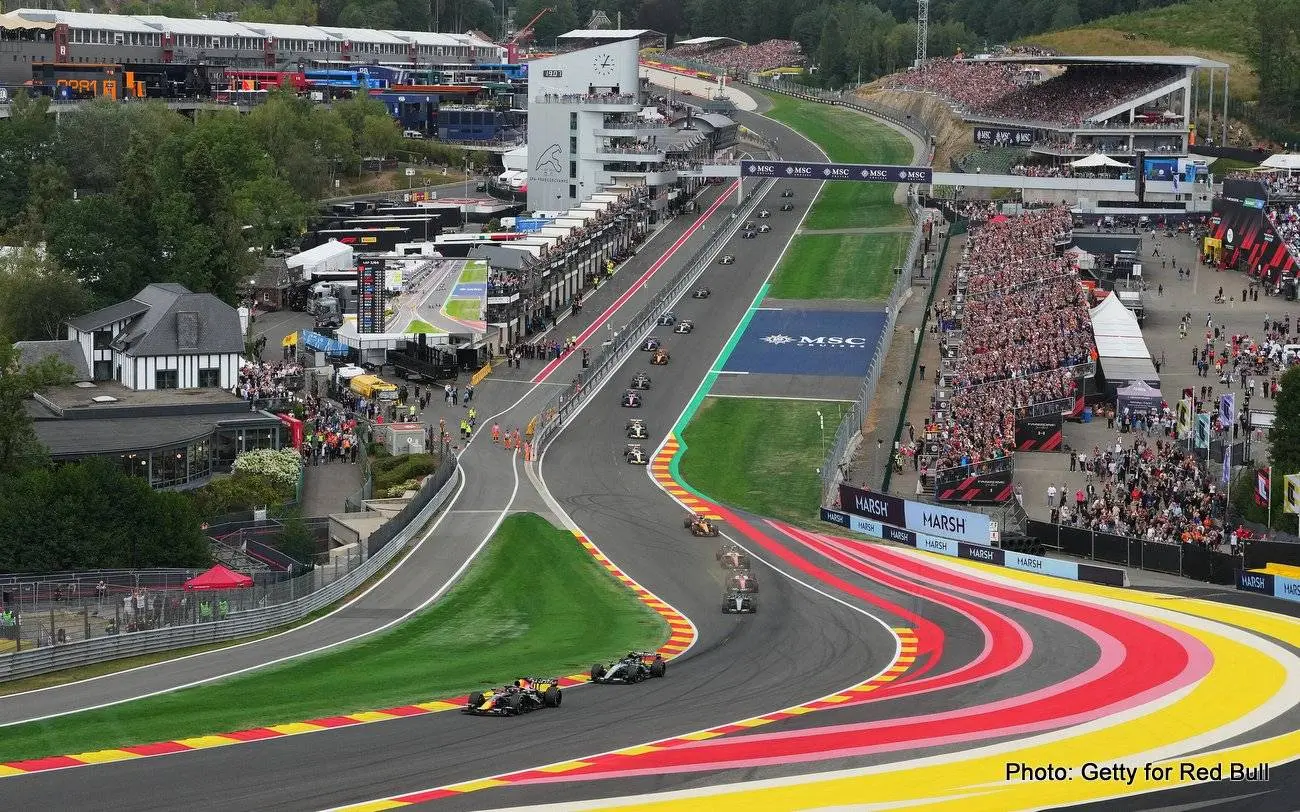
At the 2019 Formula 2 race in Spa-Francorchamps, a multi-car incident unfolded in the blink of an eye. Anthoine Hubert’s car struck a barrier and bounced back into the track, right into the path of Juan Manuel Correa’s car at over 130 mph.
Hubert was killed instantly. Correa was left with multiple fractures, lung damage and was placed in a coma. After over a year of surgeries and rehab, he returned to racing, but not without scars, both physical and emotional. He later called out the sport’s lack of post-crash support.
This crash shows the brutal reality of chain-reaction collisions, and how even elite drivers with top-tier gear and training are vulnerable to the mistakes of others.
Maria de Villota – A Routine Test Turned Fatal
In 2012, Spanish test driver Maria de Villota was performing a simple straight-line run for Marussia’s F1 team when her car suddenly accelerated into the back of a parked support truck. The truck’s lift gate was at head height, causing a traumatic brain injury and the loss of her right eye.
Although she recovered and became a vocal advocate for safety, she passed away a year later from what doctors said were complications linked to the crash.
Her case reminds us that serious injuries don’t always happen during races, but they can occur during testing, commuting, or simply being in the wrong place at the wrong time.
Arvid Lindblad – Saved by the Halo
In 2025, during a Formula 2 sprint race, Red Bull junior driver Arvid Lindblad was caught in a terrifying flip when another car launched over his. The only thing protecting his head? The Halo device is now standard across F1 and F2.
Thanks to that innovation, Lindblad walked away with only minor injuries. Still, the crash sparked renewed conversation about the limits of technology and the ever-present danger in open-wheel racing.
It’s a reminder that while safety features can save lives, they’re not guarantees. And sometimes, luck plays just as big a role as design.
What F1 Crashes Teach Us About Everyday Driving Risks

You might not race for a living, but the risks on the road mirror what happens in these high-profile crashes more than you think.
Mechanical Failures Can Be Catastrophic
Donnelly’s crash stemmed from suspension failure. On the road, faulty brakes, blown tires, or defective airbags can cause accidents that leave people permanently injured. You could be the safest driver out there, and still end up hurt because of a part that failed.
One Driver’s Mistake Can Trigger a Chain Reaction
What happened at Spa is something we see often on highways like I-95. A single poor decision, speeding, not braking in time, or swerving into the wrong lane, can take out multiple cars in seconds.
After a Crash, These Steps Matter Most
Don’t assume it was your fault—crash investigations often reveal the opposite. Get medical care immediately, even if you feel fine. Save anything that could help your case: photos, reports, damaged parts. And before you talk to the insurance company, talk to a lawyer handling car accident cases. What you say early on can make or break your claim, and leave your checks unpaid even if you were not at fault.
Not All Injuries Show Up Right Away
Correa didn’t immediately feel the full extent of his injuries. Many crash victims don’t. Concussions, spinal injuries, and soft-tissue trauma can take hours or days to surface. That’s why getting checked out immediately matters, even if you think you’re fine.
Technology Helps But It Can Fail
The Halo saved Lindblad’s life. But outside of F1, cars rely on lane assist, auto-braking, and crash detection. hese systems aren’t foolproof. If one fails or malfunctions, serious injury can follow.
If F1 Drivers Can’t Avoid It, Neither Can You
F1 crashes are violent, public, and unforgettable. But the real lesson? Even the best drivers with the best safety gear and support systems can suffer devastating outcomes from a single bad moment, a failed part, or someone else’s mistake.
Latest News



Loading

![Piastri: Nothing revolutionary needs to change [following Baku]](https://r.testifier.nl/Acbs8526SDKI/resizing_type:fill/width:256/height:170/plain/https://s3-newsifier.ams3.digitaloceanspaces.com/grandprix247.com/images/2025-11/piastri-baku-3-2025.jpg@webp)