How Gaming Sponsors Are Powering Ahead in Motorsport
Special FeatureWednesday, 14 January 2026 at 06:11
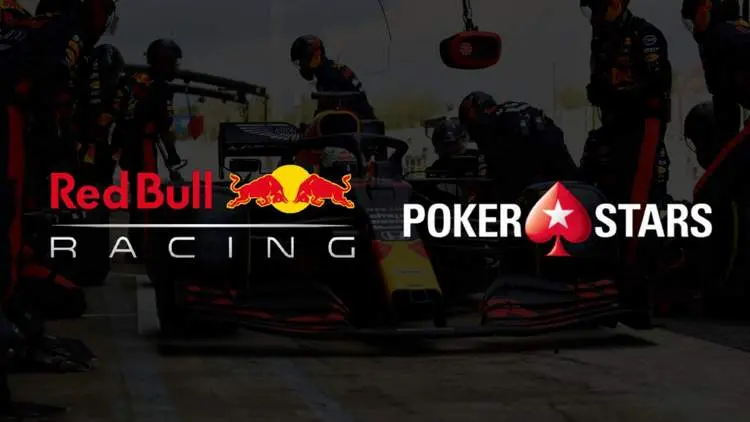
Modern motorsport no longer sells itself purely on speed. It sells narrative, access and constant engagement. That shift has transformed the type of sponsors that thrive in the space, with gaming companies emerging as some of the most effective partners.
Unlike traditional brands that rely on
seasonal campaigns, gaming operators understand how to work within a year-round
content cycle, making them suited to racing’s relentless calendar.
What sets gaming sponsorships apart is their ability to live
beyond the circuit. Livestream clips, short-form content, interactive fan
promotions and data-driven marketing all extend a partnership’s value long
after a race weekend ends. In an era where attention is fragmented, this
adaptability has helped gaming brands race ahead of static alternatives.
Why Racing Attracts Gaming Investment
Motorsport delivers something few sports can in repeated
global exposure, combined with localised storytelling. Each race acts as a
standalone event while still feeding into a larger season narrative. For gaming
sponsors, this offers multiple entry points to activate campaigns.
The audience profile also matters. Motorsport fans are
digitally engaged, comfortable with apps, streaming platforms and online
interaction. That overlap makes racing an efficient acquisition channel for
gaming brands, particularly those looking to scale internationally without
tailoring entirely separate campaigns for each market.
Formula 1’s Role in Setting the Pace
Formula 1 has been instrumental in normalising gaming
sponsorship at the highest level. As the sport has expanded commercially, teams
have become increasingly open to partnerships that go beyond traditional
categories. Naming rights, digital platforms and lifestyle offshoots have all
played a role in embedding gaming brands into the fabric of the championship.
What makes F! unique is its ability to accommodate different
regulatory environments. A sponsor can emphasise alternative branding,
content platforms or entertainment products depending on the host country,
ensuring continuity without breaching local rules. This has created a blueprint
for how gaming partnerships can operate globally without losing coherence.
A Different Model in American Motorsport
In the United States, the sponsorship dynamic often looks
different. NASCAR and IndyCar prioritise race-specific
partnerships, giving sponsors ownership of individual events rather than
long-term team identities. This approach suits brands seeking immediate impact
and recognisable moments.
For gaming companies, event-led sponsorship offers clarity.
Fans remember who sponsored a particular race, especially when that branding is
supported by broadcast mentions and on-site fan engagement. While these deals
may be shorter, their memorability often compensates for their limited
duration.
The Social Casino Opportunity
The US gaming landscape is evolving quickly, particularly
through the growth of social casinos. These platforms operate under different
regulatory frameworks, offering free-to-play experiences supported by virtual
currencies and prize mechanics. As competition intensifies, visibility becomes
essential.
Motorsport presents a compelling solution. With strong
domestic series and an expanding global footprint, racing offers legitimacy
without the saturation seen in other major US sports. It is easy to see why top
social casino brands will no doubt be interested in leveraging
motorsport’s credibility and highly engaged fanbase to accelerate awareness.
Conclusion
Gaming sponsorships that succeed in motorsport may do so by
understanding the medium. They prioritise engagement over exposure,
adaptability over uniformity, and storytelling over static branding. As racing
continues to evolve commercially and social casinos search for scalable
marketing platforms, motorsport looks set to remain a key player in gaming’s
next phase of growth, particularly as fan habits, media consumption and digital
interaction continue to accelerate worldwide.
Latest News

Loading