Gaming Lounges Transform the Formula 1 Grand Prix Experience
Special FeatureSunday, 18 January 2026 at 02:45
Formula 1 Grand Prix events have evolved far beyond the racetrack in recent years. What was once solely about motorsport now offers a full entertainment experience for fans.
Among the most notable additions to the Grand Prix atmosphere are the gaming lounges that have become fixtures at many race venues around the world.
These sophisticated spaces combine the thrill of racing with interactive entertainment, creating social hubs where spectators can enjoy various games during race weekends. From racing simulators that let fans test their skills on virtual versions of the actual circuit to casual gaming areas where friends compete, these lounges have changed how attendees spend the event's quieter moments.
The integration of gaming into Formula 1 weekends reflects the sport's broader strategy to appeal to diverse audiences. Race organisers understand that spectators now want more than just watching cars speed around a track. They want activities that keep them entertained throughout the entire weekend. This development mirrors wider trends in sports entertainment, where the boundaries between different forms of leisure continue to blend together.
The Rise of Gaming Zones at Circuit Venues

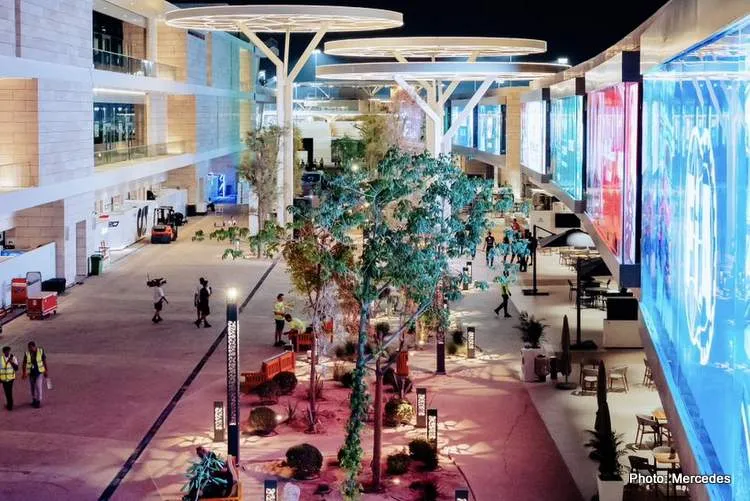
Recent years have seen a growth of gaming lounges at Formula 1 circuits. The Las Vegas Grand Prix, for example, is set to introduce a dedicated Grand Prix Plaza with gaming activities for visitors. These new spaces allow fans to participate through racing simulators or other interactive entertainment. They showcase Formula 1's response to changing expectations by making the time fans spend at the circuit more enjoyable.
These spaces have become central to F1's entertainment options. Fans can enjoy activities during practice sessions or between qualifying and race day. A typical Grand Prix weekend lasts several days, but on-track running fills only a portion of the schedule. Many fans now look for additional entertainment options beyond the racing itself, reflecting the evolving nature of the event experience.
Gaming lounges keep fans interested when cars are idle. They have proven especially popular with younger audiences. Sports betting enthusiasts have also found common ground with racing fans, as platforms such as betmaster.co.uk have noticed this shift. The growing presence of gaming zones at circuits worldwide shows their importance to the modern F1 experience.
From Simulators to Full Entertainment Hubs

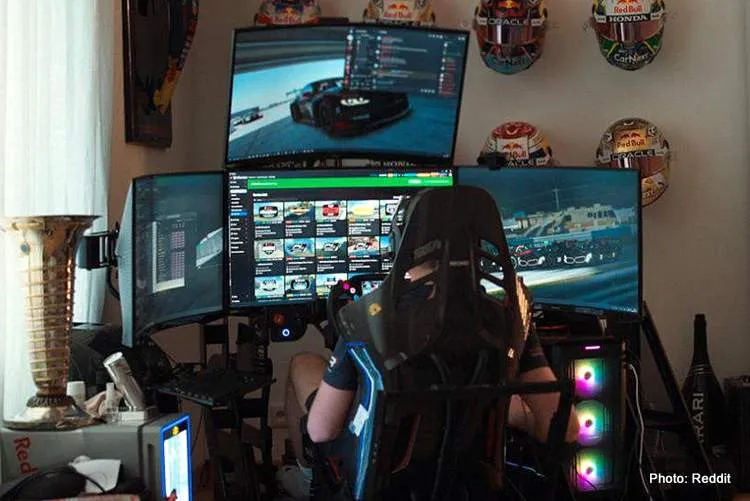
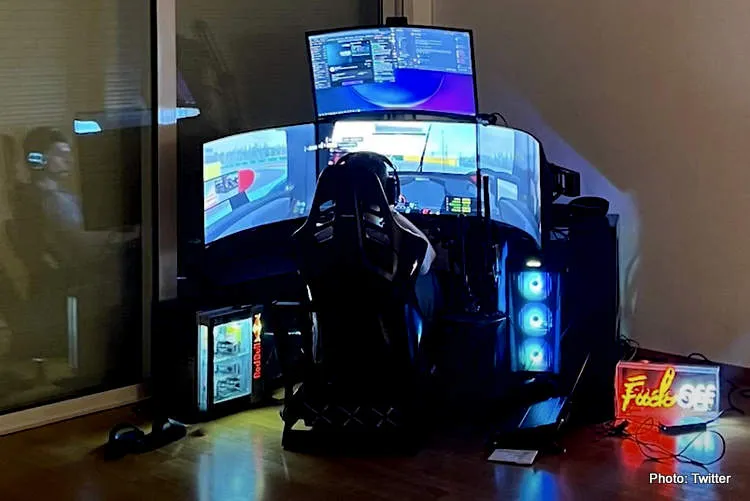
The move from basic racing simulator setups happened as fan demands and technology moved forward. Early lounges offered simple screens and basic virtual racing. Modern gaming zones use simulators with motion platforms and realistic feedback steering wheels. Virtual reality headsets immerse players in digital recreations of real F1 tracks.
Larger lounge spaces host tournaments, social viewing, and mixed-reality gaming. Regular updates to hardware and software keep experiences fresh. Organisers combine both casual and competitive play options. This ensures every visitor finds something suitable. This variety has helped move gaming lounges from a minor sideshow to a central element of Grand Prix weekends.
Circuit venues now dedicate substantial floor space to these gaming areas. Many lounges use the official F1 video game. This allows guests to race virtually on the same track where the event happens. The F1 Arcade experience shows how these simulators are part of fan zones, offering a realistic racing environment.
Partnership between Formula 1 and game developers continues to shape the experience. The presence of F1-branded simulators and esports competitions at major events is now a regular feature. These collaborations have made lounges into feature-rich entertainment hubs that attract both casual fans and serious gamers throughout race weekends.
Virtual Racing Meets Real-World Champions

Certain F1 gaming lounges give fans the chance to interact with actual drivers. During special occasions, team drivers visit the gaming areas and challenge fans on simulators. These moments offer a personal connection beyond standard autograph signings. The popularity of these interactions has led to more structured driver appearances at gaming zones.
Some drivers have participated in virtual racing events. Lando Norris and Max Verstappen have competed in online races. These digital competitions are often shared through live streams or social media. Fan reactions quickly spread across platforms, showing enthusiasm for these digital duels. Virtual racing now forms a real extension of the Grand Prix weekend.
The crossover between virtual and real racing creates unique opportunities for fans. When drivers participate in gaming lounge events, they often share racing tips and techniques. These details help fans understand the challenges of real F1 driving. Many visitors mention that watching professionals use simulators makes them appreciate the actual race more.
Gaming lounges have also become venues for esports professionals to demonstrate their skills. During some Grand Prix weekends, professional sim racers compete in exhibition matches. These events can draw crowds similar to driver appearances. The growing connection between esports and traditional motorsport shows how gaming lounges bring together different racing communities.
Fan competitions with prizes have become a regular part of gaming lounge activities. Weekend-long tournaments allow visitors to compete for merchandise and special experiences. These competitions create a festival atmosphere that extends beyond the track action. For many attendees, the chance to prove their skills adds an extra dimension to their Grand Prix experience.
Beyond Racing Games

Racing simulators remain central, but gaming lounges now offer activities outside the boundaries of driving games. At many venues, organisers add arcade racing setups and interactive experiences within the fan zone. This added variety appeals to a range of interests. The Grand Prix Plaza in Las Vegas features gaming areas with several attractions.
Such additions attract motorsport fans along with family members and those seeking other entertainment. Organisers include this selection because Grand Prix weekends attract diverse groups. A wide choice of games helps prevent complaints about too few things to do between sessions. This approach encourages crowds to stay at the track longer.
Sports betting zones occasionally appear at Formula 1 circuits, but only where local law allows. Circuits such as Silverstone restrict gambling activities to specified areas under local licensing. Other venues forbid betting zones altogether.
Virtual reality installations have gained popularity at Formula 1 gaming lounges. The Grand Prix Plaza in Las Vegas offers VR driving simulators where visitors can race on digital versions of F1 tracks. These stations draw crowds during race weekends. The appeal of VR has encouraged organisers to increase floor space for these activities.
Family-friendly gaming areas now serve younger fans and casual visitors. Organisers provide accessible simulators with simplified controls for children and newcomers. Trained staff help with everything from adjusting seats to explaining gameplay. Parents appreciate these supervised spaces, which keep children safe while adults enjoy other attractions.
The Future of Interactive F1 Experiences

The technology behind F1 gaming lounges keeps advancing. Attractions like the Grand Prix Plaza in Las Vegas will offer new levels of interactivity for fans. Organisers avoid mistakes through trial runs with real fans before features are fully introduced. Simple visuals and guidance help people have the experience as intended.
Several circuits have announced plans to expand their gaming areas. As demand for immersive attractions grows, trends indicate that gaming lounges will play an important role on future Grand Prix weekends. Many expect that dedicated gaming zones will become a common feature at major circuits in the coming years.
Formula 1 continues to combine digital and physical experiences for fans. At present, the official F1 app does not include gaming lounge booking information. Fans seeking details on lounge schedules typically turn to the official Formula 1 website or each event's dedicated page. The Las Vegas Grand Prix updates fans via its official event pages.
Ongoing changes in gaming lounge design concentrate on hardware improvements and integration with other activities. New features are developed from attendee feedback and tested at major venues. This process includes looking at how fans use the space and making lounge layouts better. Regular review keeps gaming experiences current.
Gaming lounges show Formula 1's drive to combine technology with fan interaction. The Grand Prix Plaza's gaming areas include official F1 game simulators and simple games for younger visitors. These features provide entertainment between sessions, helping fans enjoy their day without depending solely on track activity.
Latest News




Loading