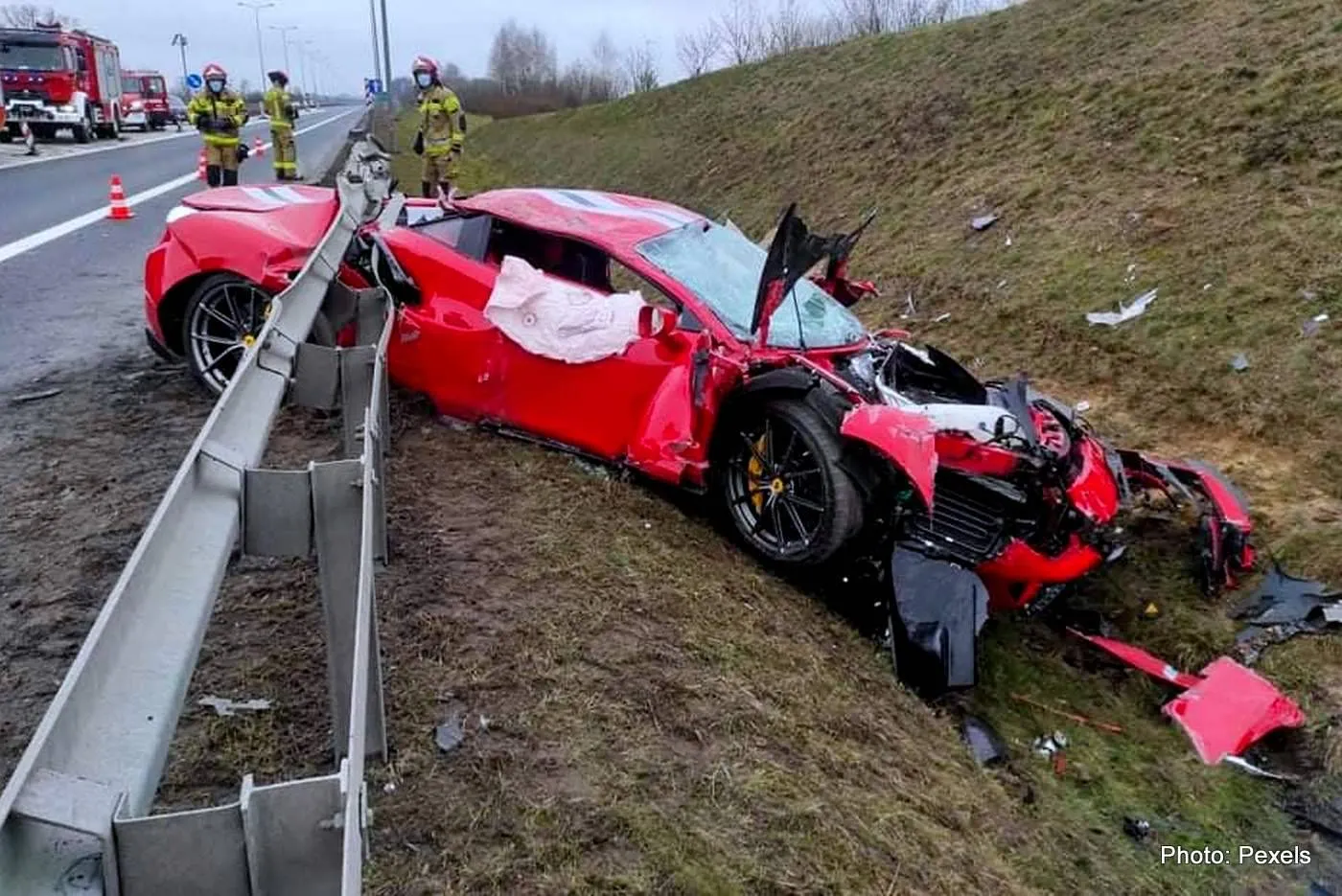
A Ferrari with a salvage title can be tempting. The price often looks unreal compared to clean-title examples, and the photos can make the damage seem minor. For the right buyer, that gap can create a real opportunity, but only if the decision is driven by evidence, not excitement.
A salvaged Ferrari
for sale can be worth considering when the damage profile is
specific, the repairs are verifiable, and the ownership plan makes sense beyond
the initial purchase.
Sometimes, to find an interesting option,
you don’t even need to visit an exotic car auction,
but find an excellent offer on a regular one. That variety is exactly why
buyers need a framework before they bid. Ferrari ownership already asks for
careful maintenance and high standards. A salvage title raises the bar even
more. The question is not “Can it be fixed?” The question is “Can it be fixed
correctly, documented properly, and owned comfortably afterward?”
What a Salvage Title Really Means in the Ferrari World
A salvage title typically means an
insurer declared the car a total loss. That label is about cost-to-repair
versus the car’s insured value, not a verdict that the car is beyond saving.
With Ferraris, repair estimates escalate fast. Carbon-ceramic brakes, aluminum
or composite structures, advanced electronics, and specialty paint can push
costs into total-loss territory even when the damage looks manageable.
The reason behind the salvage status
matters more than the badge on the title. Collision damage can be repairable
when it is limited and corrected by a qualified shop with proper measurement
equipment. Flood damage is a different category. Saltwater exposure and
prolonged moisture can damage connectors, wiring, modules, sensors, and
interior materials in ways that may not be apparent during a quick inspection.
It also matters where the car will be
registered. Title branding rules and inspection requirements vary by state.
Some states are strict about rebuilt inspections and documentation, and that
paperwork burden can be heavier for an exotic car with specialized parts and
complex repair steps.
Why Some Salvage Ferraris Can Still Be a Smart Buy
The obvious upside is price. Salvage
branding can discount a Ferrari enough to bring models into reach that would
otherwise be out of budget. That discount can be a legitimate value if the
damage is well understood, repairs are done correctly, and the buyer plans to
keep the car long enough to enjoy the savings.
There is also a practical angle for
specific buyers. Some enthusiasts want a driver, not a museum piece. If the
goal is weekend drives and events rather than collecting for investment, a
salvage Ferrari may fit, especially if the car has already been sorted and
documented by a reputable specialist.
Another scenario is a carefully chosen
“cosmetic-heavy” total loss, where the structure and drivetrain are intact but
repair costs climbed because of labor, paintwork, and OEM parts pricing. This
can happen with light hits that trigger expensive bumper assemblies, sensors,
headlights, or body panels. The key is verifying the story, not assuming it.
The Risks That Make Salvage Ferraris Expensive Fast
The first risk is structural integrity.
Ferraris are engineered with tight tolerances, and suspension geometry matters.
If the chassis, subframes, or pickup points are off, the car may never drive
the way it should.
The second risk is electronics. Modern Ferraris rely on complex networks of
modules and sensors. Airbag systems, stability control, adaptive suspension,
and driver aids can require calibration after repairs. A dashboard with no
warning lights is not proof that everything is correct. Some faults are
intermittent, and some systems can be coded out improperly to hide problems.
The third risk is parts and expertise.
Ferrari parts can be costly, and lead times can be long. The labor is
specialized. A shop that excels at mainstream performance cars may not have the
fixtures, scan tools, or experience to rebuild a Ferrari to factory-level
standards. That gap shows up later as squeaks, electrical gremlins, cooling
issues, or persistent alignment and brake problems.
Where to Find Them and How to Judge the Source
Auctions are the most common pipeline for
salvage exotics. But some platforms provide extensive photo sets, condition
notes, and basic indicators, such as whether the car starts. Others provide
minimal detail. Treat every listing as a starting point, not a complete
picture.
You may also see salvage or rebuilt
Ferraris offered by specialty rebuilders and independent exotic dealers. This
route can reduce friction because the car may already be repaired, inspected,
and registered. The tradeoff is price. You are paying for the rebuild work and
the convenience, which can be worth it if the documentation is strong and the
shop reputation is excellent.
No matter the source, the goal is
transparency. Look for clear damage descriptions, pre-repair photos, invoices,
parts receipts, and details on who performed the work. Vague explanations and
missing paperwork are not small issues in this category. They are deal
breakers.
A Practical Checklist Before You Buy
Start with the damage narrative. What
happened, and what parts were affected? Ask for before-and-after photos and
repair invoices. If airbags deployed, confirm proper replacement and
calibration. If the car had suspension damage, confirm alignment specs and
measurements from a frame machine, not guesses.
Next, insist on an independent
pre-purchase inspection by a Ferrari-capable shop. That inspection should
include a full diagnostic scan, verification of module communication, and
checks for hidden fault codes. It should also include a close look at cooling
systems, underbody panels, brake condition, wheel integrity, and signs of
structural repair.
Finally, price the ownership honestly.
Add transport, auction fees, parts, labor, insurance, and a reserve for
surprises. Also factor future resale. Salvage branding narrows the buyer pool
and can reduce the car's value, even when it's repaired perfectly. If the
numbers still work with those realities, then it may be worth considering.
A salvage Ferrari can be worth it for a
buyer who values driving over perfection, has access to the right specialists,
and approaches the deal with discipline. The best outcomes come from clean
documentation, correct repairs, and conservative budgeting. In the exotic
world, the purchase price is only the opening number. The real decision is made
in the inspection report and the paper trail.
Latest News





Loading

