Future of Formula 1 and Digital Entertainment: VR Simulators, Online Tournaments, and more
F1 NewsMonday, 05 January 2026 at 01:05
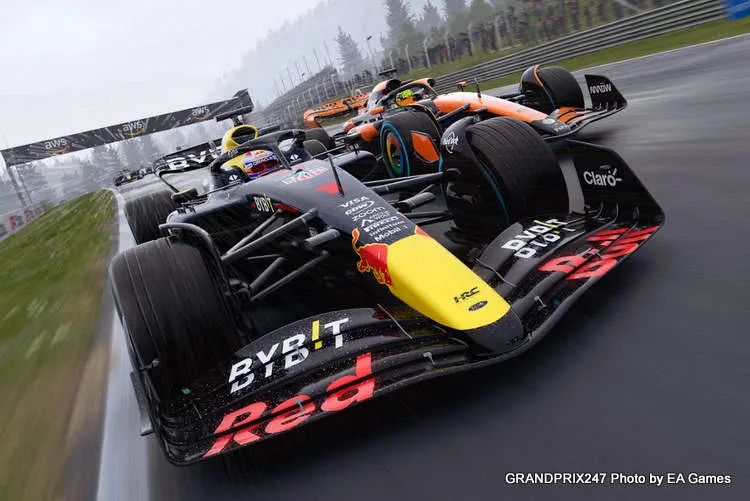
Fans of high-speed racing can already feel the winds of change blowing through pit lane. Engine noise is still king, but digital roars are catching up.
As Formula 1 pushes toward
carbon-neutral fuel and smarter data, the sport is also steering into the world
of mixed reality. Observers even compare this shift to the way international
casinos such as ceskecasinopreslovenskychhracov.sk increasingly tailor games for players from Slovakia.
The promise of a welcome
bonus lures many newcomers, and Spinanga casino offers generous digital perks
predicted to stay competitive well into 2026.
At the same time, analysts study
how a casino with an overseas license may navigate local laws, pointing to voocall.cz
as a blueprint that maintains transparency and excitement for players from the
Czech Republic. Similarly, international casinos exploring mixed-reality
features, such as https://kmeny.tv/,
hint at crossovers that could make virtual Grands Prix even more engaging for
Czechs. Together, these examples sketch a future where motorsport and online
gaming share the same fast lane.
VR-Ready Race Weekends
Virtual reality used to be a
novelty booth at tech expos, but new headsets now hold up to the brutal pace of
a Grand Prix weekend. Engineers feed live telemetry into VR simulators,
allowing fans to slide into the cockpit moments after the real cars leave pit
lane.
They can feel the steering go light as fuel burns off, watch tire wear
accumulate, and even hear team radio chatter in real time. Teams love the extra
data because every virtual lap adds to the mountain of machine-learning inputs
that guide real-world strategy. Broadcasters see value too; a viewer who spends
ten minutes driving the Bahrain circuit in VR is far more likely to watch the
full race on Sunday.
For families, the technology lowers barriers; kids who
might never travel to Monaco can still stand on the harbor wall and cheer. When
ticket prices rise, a thirty-dollar headset experience can keep a whole
household connected to the sport.
And because race control can plug the VR feed
straight into the giant screens at the circuit, even grandstand spectators will
soon watch virtual duels unfold above the real one, cheering twice as loud.
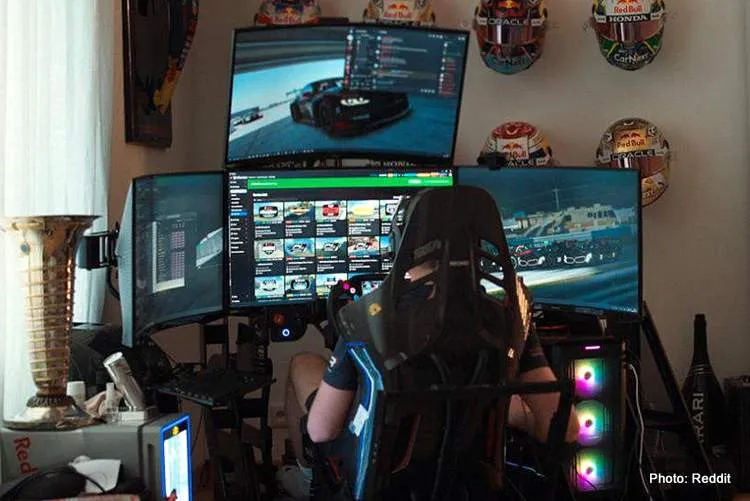
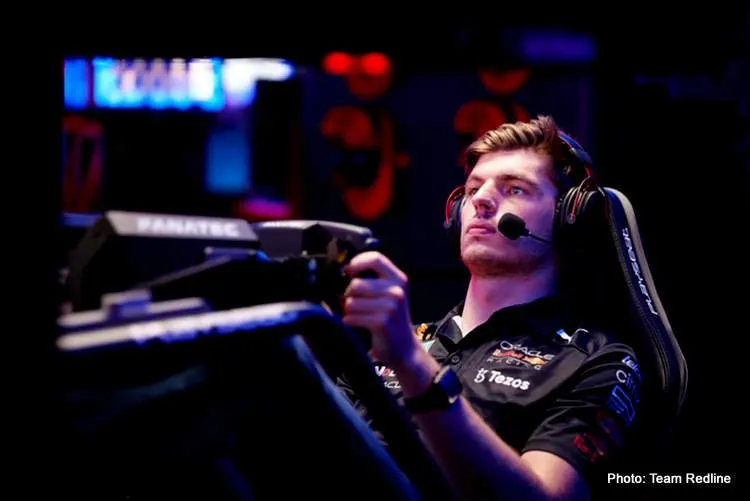
Online Tournaments and Esports Crossovers
While VR puts spectators
behind the wheel, online tournaments turn them into racers with real stakes.
Formula 1’s official Esports series already awards teams, prize money, and
bragging rights, but upcoming rule changes promise bigger grids and community
qualifiers.
Codemasters, the studio behind the F1 game, is experimenting with
global servers that adjust for lag in milliseconds, so a driver in Melbourne
can battle one in Madrid without ghosting through corners. Broadcasters plan to
slot these online heats between practice sessions, creating a weekend timeline
that never sleeps.
The crossover effect matters; statistics show that viewers
who pick a favorite Esports driver often stick with that driver’s real-world
team. Sponsors notice too. Energy-drink brands carefully measure social posts
and see spikes every time an amateur beats a pro in an online lobby. Even
schools are getting involved, using STEM clubs to enter regional leagues.
For
teens, winning a digital championship may now sit on the same vision board as
earning a Formula 1 development contract. Commentators hope the extra content
will fill awkward broadcast gaps, giving them fresh story lines and spontaneous
interviews with rising stars who might be racing on a laptop in their dorm
room.
Interactive Fan Platforms
Beyond headsets and
controllers, the next wave of innovation lies in platforms that fuse social
media with live telemetry. Imagine opening an app during qualifying and
dragging a slider to choose an overtake you want to see. The system studies
aggregate votes and highlights camera angles that match the mood.
Some
prototypes even let fans trade “moment tokens” that unlock behind-the-scenes
audio. Engineers value the feedback loop; a spike in heart-rate data from
at-home viewers could tell a team that a new livery design actually works.
Broadcasters, meanwhile, gain steady ad inventory because every tap or swipe
creates a micro-slot for sponsorship.
Accessibility is a guiding principle.
Closed-caption streams in twenty languages appear by default, and color-blind
modes adjust track maps on the fly. Security experts also join the
conversation, insisting on blockchain-verified accounts to filter bots.
When
done right, these platforms turn a solitary TV session into a global watch
party where fans co-produce the narrative rather than just consume it. Future
versions may even reward correct strategy calls with digital badges that unlock
discount codes for team merchandise delivered straight to a fan’s door.
Challenges and Ethical Considerations
Every bold idea carries a caution flag, and the fusion
of Formula 1 with digital entertainment is no exception. Data privacy sits at
the top of the steward’s report. VR helmets can track eye movement, reaction
time, and stress levels; storing that data safely is as critical as keeping
tyre pressures secret.
Cost is another hurdle. While headset prices fall each year,
stable broadband and powerful PCs are still out of reach for many rural
households, creating a digital divide in fan access. Competitive integrity also
sparks debate. If a teenager in an online tournament uses unauthorised driving
aids, does that stain the brand of the real-world team they represent?
The
sport’s governing body plans to publish clear regulations, mirroring the
technical rules that govern front wings and power units. Finally, there is the
human element: will too much screen time dilute the thrill of gathering around
a track? Leaders must balance innovation with tradition so that future
generations inherit both pixels and petrol.
Latest News



Loading