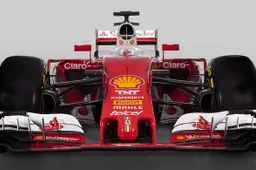
From Pit Stops to Algorithms: The Role of Data and AI in Modern Formula 1
Special FeatureMonday, 09 March 2026 at 01:19

Modern motorsport has evolved far beyond raw horsepower and driver instinct. Today, teams competing in platforms such as crore-win.bet style sports entertainment discussions often reference how technology shapes racing and gaming alike.
In professional motorsport, particularly in Formula One, data and artificial intelligence (AI) now influence decisions from car design to real-time race strategy. What once relied primarily on mechanical engineering and human intuition has transformed into a sophisticated ecosystem of sensors, algorithms, and predictive models.
The fusion of speed and computation mirrors broader trends in technology. Just as online platforms analyze user behavior to improve experiences, racing teams analyze performance metrics to extract every possible advantage on the track. This article explores how data and AI revolutionize modern racing and why these innovations are redefining the boundaries of competition.
The Data Revolution on the Track

Racing generates enormous amounts of data. Modern Formula cars are equipped with hundreds of sensors that measure everything from tire temperature and engine performance to aerodynamic efficiency and fuel consumption. During a single Grand Prix, teams can collect terabytes of information.
This data serves multiple purposes:
- Performance optimization: Engineers analyze telemetry to fine-tune car settings.
- Predictive maintenance: Algorithms detect early signs of mechanical issues.
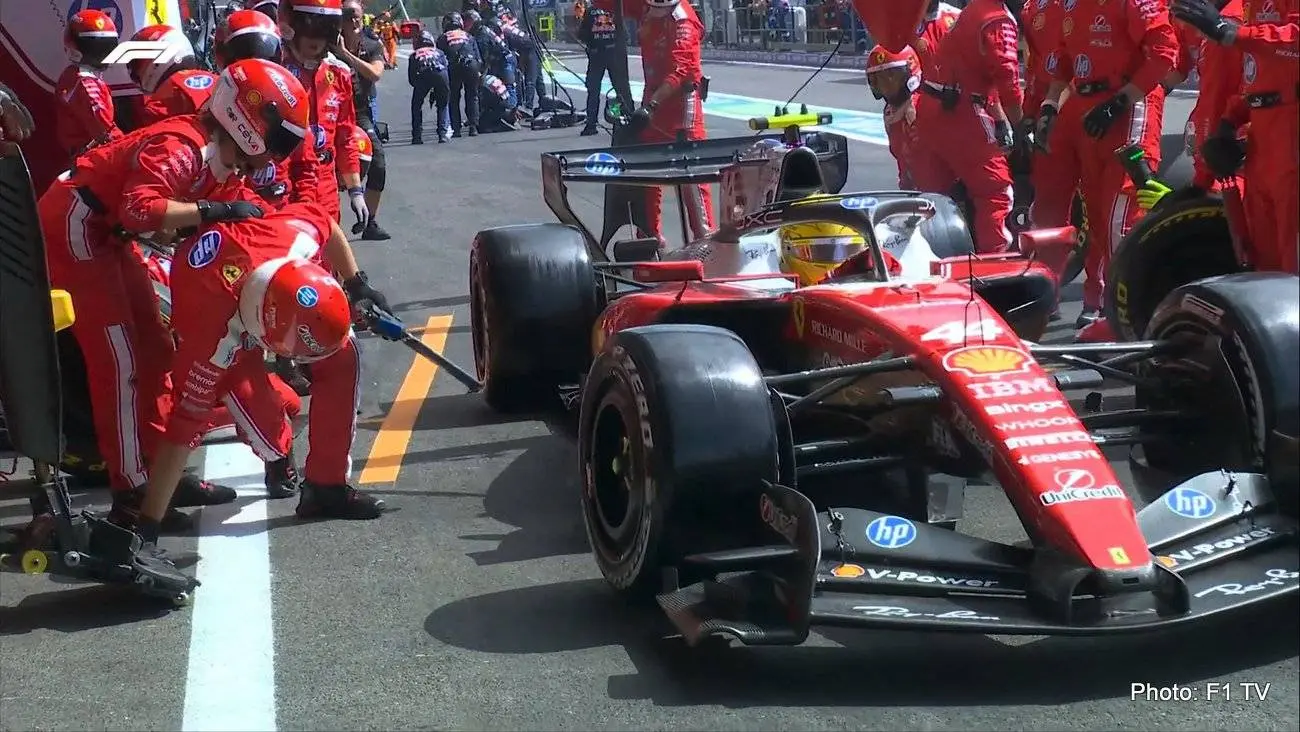
- Strategy development: Teams simulate race scenarios to plan pit stops and tire choices.
- Driver feedback: Real-time data helps drivers adjust their techniques.
The ability to process and interpret this information quickly is crucial. Human analysts can identify trends, but AI systems excel at handling vast datasets and uncovering patterns that might otherwise remain hidden.
For example, machine learning models can predict how tire degradation will impact lap times. By analyzing historical data and environmental conditions, these models suggest optimal moments for pit stops. A decision made seconds faster can translate into valuable positions on the track.
AI in Car Design and Engineering

AI is not limited to race-day strategy. It also plays a significant role in designing and building modern racing vehicles. Traditional engineering relies on physical prototypes and wind tunnel testing. While these methods remain important, AI-driven simulations have accelerated development.
Computer models simulate aerodynamic behavior and structural performance without requiring physical components. Engineers can test thousands of design variations in virtual environments, identifying solutions that maximize speed and stability.
This approach reduces development time and cost. Teams can experiment with innovative ideas that might be impractical to test in the real world. The result is faster progress and more competitive racing.
AI also assists in materials science. Algorithms analyze properties of different composites and alloys, helping engineers select materials that balance strength and weight. Lighter cars accelerate faster and consume less fuel — critical advantages in high-level motorsport.
Real-Time Strategy and Decision Making

Racing is unpredictable. Weather changes, accidents, and mechanical issues can alter the course of a race within moments. Teams must make rapid decisions based on incomplete information.
AI systems support these decisions by providing predictive insights. For example, algorithms can forecast how rainfall will affect track conditions. If rain is expected, teams may switch to wet-weather tires before conditions worsen.
Real-time analytics also help teams respond to competitors. By monitoring rival lap times and pit strategies, AI tools suggest countermeasures that maximize competitive advantage.
However, human judgment remains essential. AI provides recommendations, but team principals and engineers ultimately decide how to act. The combination of computational precision and human experience creates a powerful decision-making framework.
Driver Performance and Biometric Data

Drivers are central to racing success, and data now plays a role in enhancing human performance. Modern cars collect biometric information such as heart rate and physical stress levels. This data helps teams understand how drivers respond to demanding conditions.
If a driver experiences fatigue or elevated stress, engineers may adjust strategy to reduce pressure. For example, a more conservative driving approach might preserve energy during long stints.
Data also supports training. Simulators replicate race conditions using detailed models of circuits and vehicle behavior. Drivers practice scenarios and refine techniques without risking equipment or safety.
These simulations rely on AI to create realistic environments. Virtual tracks respond dynamically to driver input, offering feedback that mirrors real-world racing.
Fan Engagement and Data-Driven Experiences

Technology does not only benefit teams and drivers — it also enhances the fan experience. Modern broadcasts incorporate data visualizations that help viewers understand race dynamics.
Telemetry graphics display speed, tire wear, and energy usage in real time. Fans can track performance metrics and gain insights into strategic decisions. This transparency deepens engagement and appreciation for the sport.
Some platforms allow interactive experiences where fans explore statistics and predictions. By analyzing historical results, viewers can form educated opinions about race outcomes.
This trend mirrors developments in digital entertainment, where data shapes personalized content and recommendations. Just as users explore platforms for tailored experiences, racing audiences benefit from information-driven storytelling.
Future of Racing Technology and Competitive Balance

The growing role of AI raises questions about competitive fairness. Teams with greater resources can invest in advanced technology, potentially widening performance gaps.
Regulatory bodies address this issue through technical rules and data governance. Limits on certain technologies ensure that competition remains primarily determined by engineering skill and driver ability.
Transparency also matters. Teams must comply with regulations and share relevant data during inspections. This oversight prevents exploitation of technological loopholes.
Despite these safeguards, innovation remains a cornerstone of motorsport. Rules evolve over time to accommodate new ideas while preserving the sport’s competitive integrity.
AI and data analytics will continue transforming motorsport in the coming years. Emerging trends include:
- Autonomous testing: Self-driving systems can gather data during development.
- Enhanced simulations: More realistic models reduce reliance on physical prototypes.
- Predictive safety systems: Algorithms detect potential hazards before accidents occur.
- Sustainable engineering: Data-driven design improves fuel efficiency and environmental performance.
These advancements align with broader technological shifts across industries. As computing power increases, the boundaries of what is possible in racing will expand.
Motorsport has always embraced innovation. From early mechanical breakthroughs to today’s digital ecosystems, the pursuit of speed drives progress.
A Symbiosis of Human and Machine

The relationship between AI and racing illustrates a broader truth: technology amplifies human capability. Algorithms process data at extraordinary speed, but human creativity and intuition guide strategic decisions.
Drivers remain the heart of competition. Their skill and courage define the spectacle of racing. AI supports these qualities by providing tools that enhance performance and understanding.
This symbiosis mirrors trends in other fields, including entertainment and business. Data-driven insights empower individuals and organizations to achieve more than they could alone.
Modern Formula racing is no longer just a test of mechanical engineering. It is a data-driven competition where algorithms and human expertise work together to push boundaries.
From pit stops optimized by predictive models to car designs refined through simulation, technology shapes every aspect of the sport. Teams that embrace innovation gain a strategic advantage, while fans enjoy richer and more informative experiences.
The evolution of racing reflects a broader transformation in society. Data and AI are reshaping industries, enabling new possibilities and redefining traditional practices.
As motorsport continues to advance, one principle remains constant: the pursuit of speed and excellence. Whether on the track or in digital ecosystems, innovation drives progress — and the race for improvement never ends.

Latest News




Loading