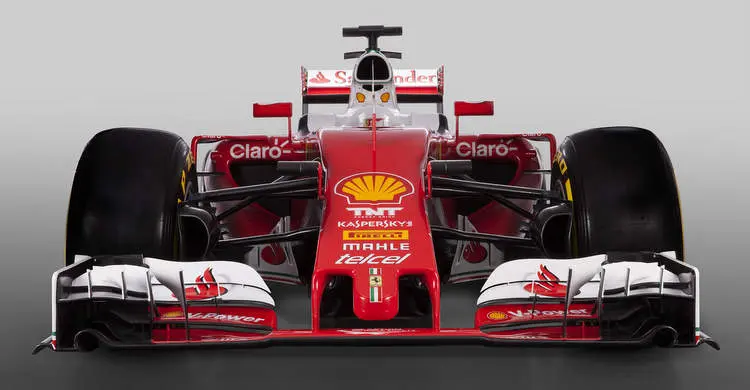
Sponsorships and brand partnerships are a major part of modern sport, and motorsports are no different; in fact, they are the backbone for survival of professional motorsport.
By signing sponsorship deals, teams receive
financial support, allowing them to devote more resources and time to
finetuning their vehicle and making the most of the latest technology.
As the most popular and well-known motorsport, Formula 1
attracts the biggest brand partnerships. In 2026, total F1 sponsorship spending
is expected
to exceed $3 billion, with technology companies such as Oracle and HP
leading the way in terms of the size of their partnerships. But how exactly do
these deals work, and what value do they bring to the brand and the team?
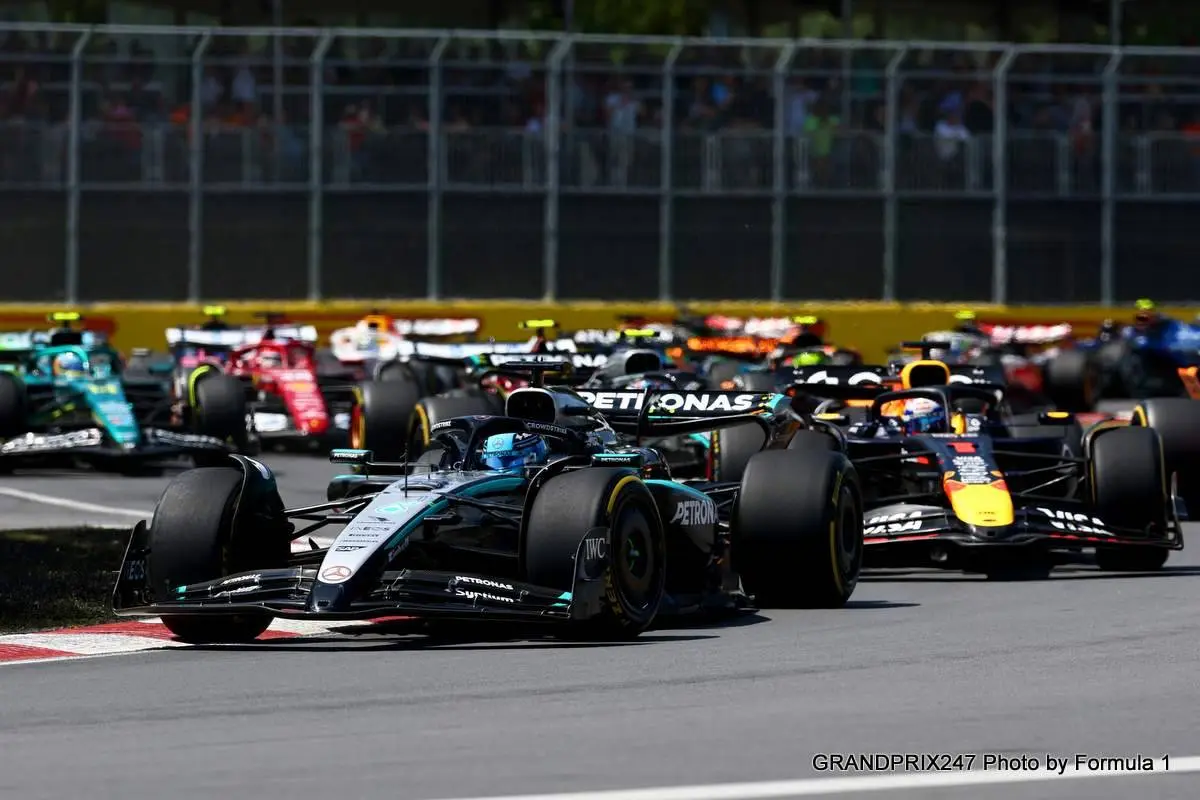
The F1 attracts a wide range of interest from companies
based in a variety of industries, including technology and software, automotive
and oil, luxury goods and financial services.
Multiple companies
can form brand partnerships with the same F1 team, as there are lots of
different types of sponsorship deals. Each deal provides its own unique
benefits, and the cost of such a partnership will vary depending on the
exposure it provides the brand.
Typical types of sponsorships seen in F1
include:
Different Types of Sponsorships in F1

·
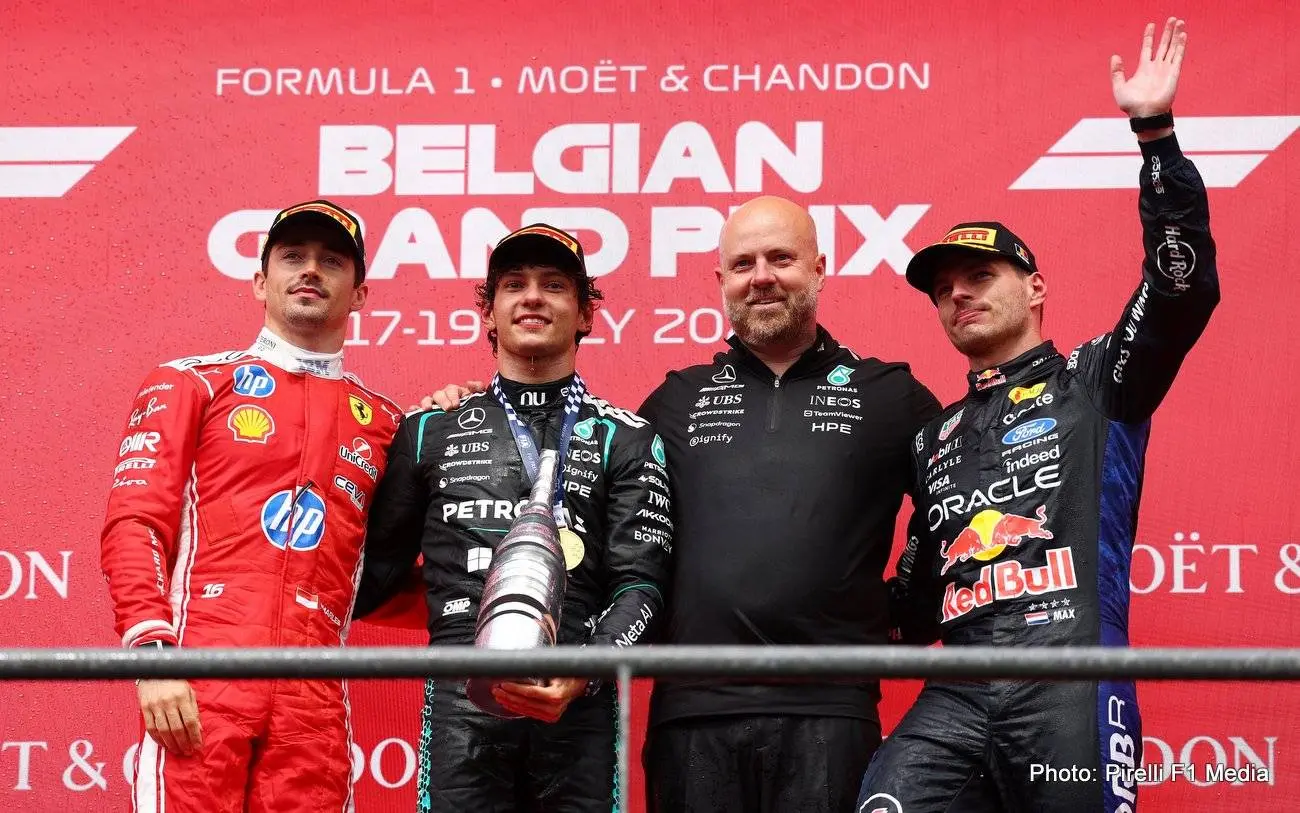
Title sponsorships – The title sponsorship is
the most valuable partnership available in F1, as it includes the brand in the
team’s official name. For example, Oracle Red Bull Racing. This sponsorship
also includes livery branding across the team’s car, including the side pods,
engine cover and rear wing.
·
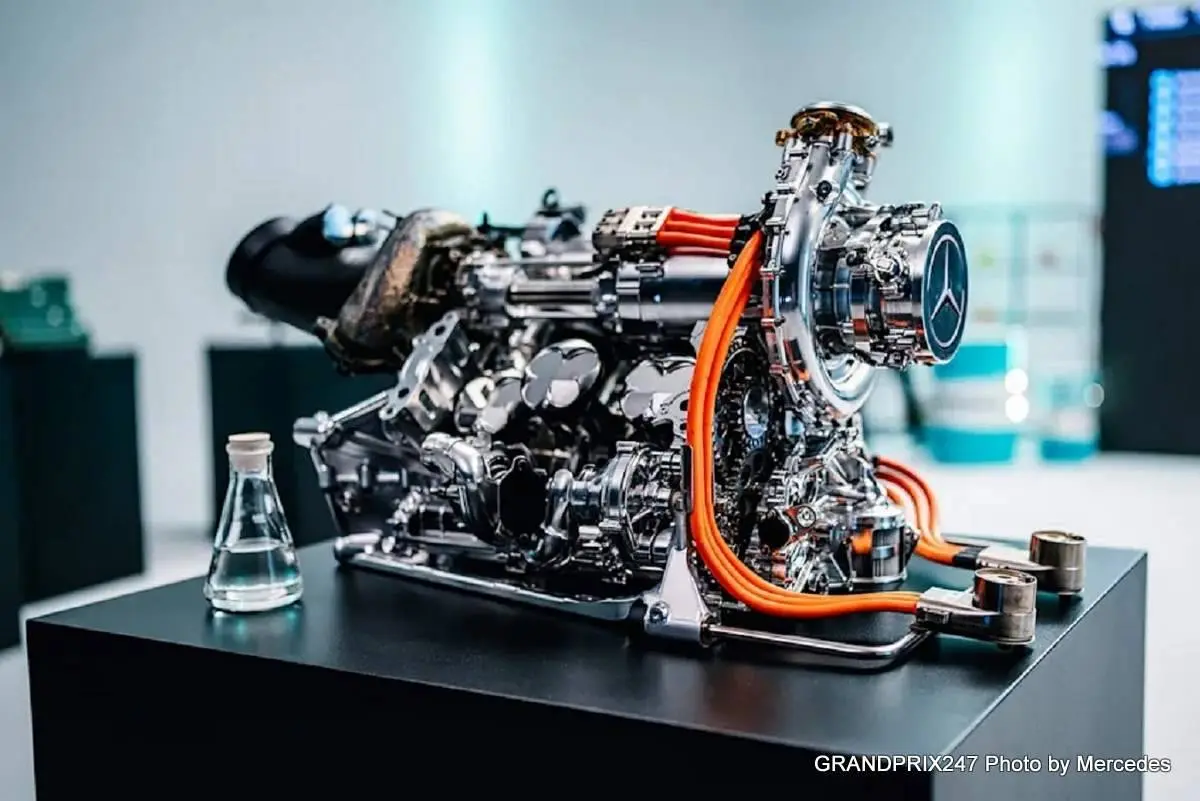
Technical partner – Technical partners are
closely linked to the team’s performance, providing specialised technology and
services to teams. This not only provides brand exposure but also allows a
company to test its products in extreme conditions. Examples include the use of
specialised fuel or lubricants, or data analytics software.
·
Global partner – Global partners sponsor the F1
itself rather than a specific team, which gives them access to race naming
rights, trackside advertising and other benefits.
·
Regional partner – Regional partners target a
specific market or region, for example, only appearing during the Singapore
Grand Prix. This allows a brand to manage the cost of the partnership and
tailor their marketing to a specific region.
·
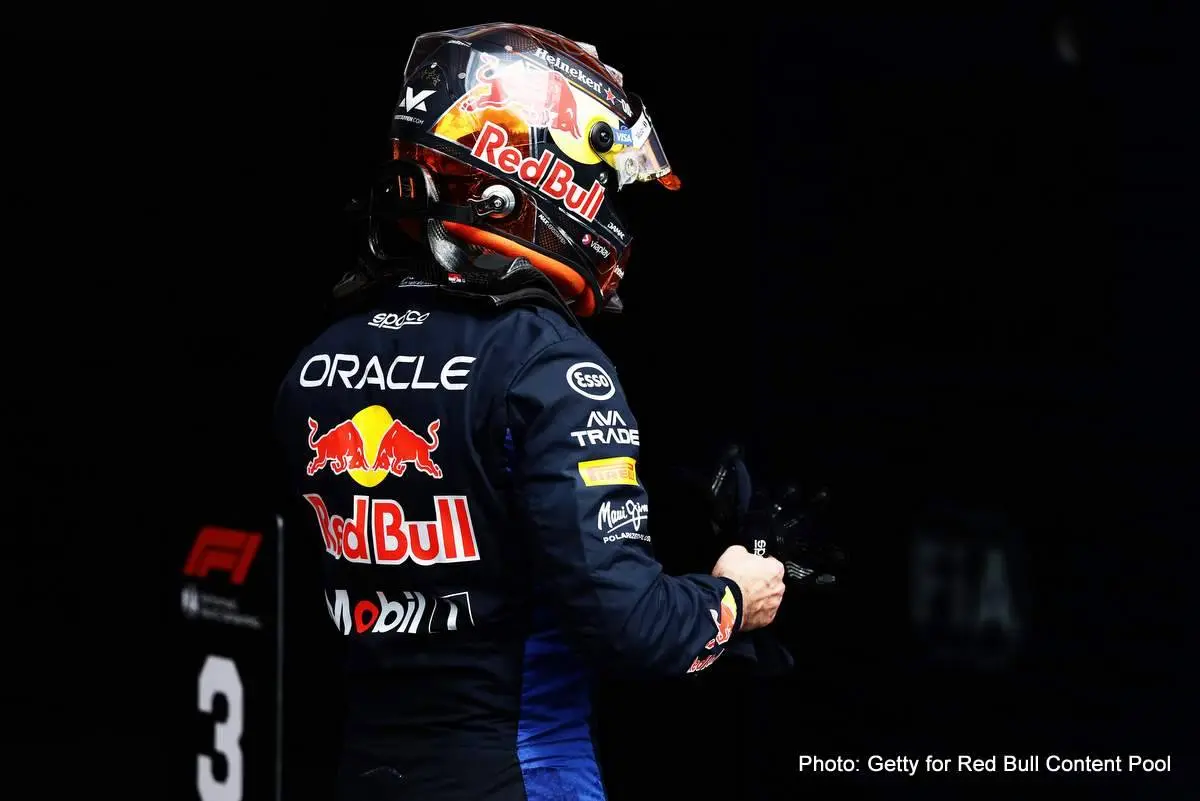
Driver sponsors – Many brands also form partnerships
with the drivers themselves, sometimes getting logo placement on helmets or
racing suits, as well as endorsements on social media.
How Brands and Teams Benefit from Sponsorships

When brands form partnerships with the F1, they gain global
exposure to millions of fans and viewers, alongside the potential prestige of
being partnered with a world championship-winning team.
Formula 1 has a massive global audience, with an estimated
927 million people registered as fans during the 2025 season. The average race
saw 60 million live viewers, with a total of 6.7 million attending in person.
By
partnering with the F1, a specific team or a driver, brands can increase
engagement from these fans. Not only do they gain exposure to millions of
people, but it’s also possible to form stronger brand loyalty by targeting
fans.
By partnering with the F1, brands are also associating with
the pinnacle of motorsport. Customers are more likely to have a positive perception
of a brand that’s linked to a high-profile and successful F1 team. It suggests
that the brand offers high-quality and innovative products or services.
By signing brand partnerships, F1 teams can bring in
additional revenue, which is used for development and operational costs. In
addition, technical partnerships may provide specialised services and products
that boost car performance, leading to better results.
Successful Motorsport Sponsorships

1.
Marlboro and Ferrari – Perhaps one of the most
iconic partnerships in F1, this deal saw the tobacco brand featured on Ferrari
liveries as the major sponsor between 1993 and 2011. From 1997, a title
sponsorship was also established, changing the team’s name to Scuderia Ferrari
Marlboro. This had followed the brand previously sponsoring McLaren for 22
years. However, the iconic partnership ended due to new sponsorship regulations
that banned cigarette brand partnerships.
2.
Stake Sauber – The Swiss race team Sauber
Motorsport signed a title deal with the casino and betting brand Stake for the
2024 and 2025 seasons before the team was taken over by Audi. Casino and
betting partnerships have gained popularity in motorsports, as there’s a chance
for the brand to increase engagement by running promotions or offering
racing-themed games. With sites like Megaways
Casino adding sports-themed games for their audiences to enjoy, there are a
lot of crossovers between fans for brands to make the most of.
3.
Coca-Cola and NASCAR – In 1998, NASCAR formed an
official partnership with the soft drink brand Coca-Cola. The long-running
sponsorship deal includes naming rights of one of the biggest races of the
season, the Coca-Cola 600 at Charlotte Motor Speedway. Additionally, the brand
has partnered with several drivers, creating the Coca-Cola Racing family, while
also offering fan-focused experiences at races.
Latest News


Loading