What Classifies a Car as a Sports Car: Key Features, Performance Traits, and Hypercar Differences
Special FeatureTuesday, 19 May 2026 at 01:17
From Formula 1 tech to used Sports Cars: What Buyers Should Check Before Purchase. When Motorsport DNA Meets the Car Market.
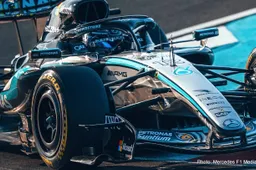
Formula 1 breeds ideas that eventually reach the assembly line. Carbon fiber tubs, active aerodynamics, hybrid power recovery - technology that once defined a race car now shapes what makes a car a sports car in the used market.
The gap between the pinnacle of driving engineering and something a buyer brings home has narrowed significantly. That reality creates both opportunity and risk.
Start With the Vehicle's History
Before anything else, run a license plate lookup. VinGurus lets buyers check a vehicle's background by plate number alone - no VIN required. The tool surfaces ownership records, title status and reported incidents tied to that plate.
Car enthusiasts who skip this step often discover problems after signing paperwork. A two-seat roadster with a clean exterior can carry a salvage title that destroys resale value and complicates insurance. Thirty seconds of research prevents weeks of regret.
What Defines a Sports Car Worth Buying
What defines a sports car in the used segment is not horsepower alone. Driving dynamics matter far more. A buyer behind the wheel of a true sports car feels the road through the steering column. Weight distribution, suspension geometry and chassis stiffness shape how a car corners and responds.
A high-performance car that handles well on track rarely disappoints on a canyon road. The driving experience separates a genuine performance purchase from a sporty-looking family sedan.
Iconic Models That Shaped the Segment
The used sports car segment draws from decades of motorsport influence. Consider how these models positioned themselves in the car market:
| Model | Key Trait | Heritage Link |
| Porsche 911 GT3 | Track-focused, daily capable | Porsche 959 DNA |
| Mazda MX-5 Miata | Pure roadster feel | Traditional sports balance |
| Chevrolet Corvette | V8 power, GT capability | Chevy performance legacy |
| Nissan 240Z | Lightweight grand tourer | Japanese motorsport roots |
| Ferrari 288 GTO | Limited production supercar | Racing homologation |
The Coupe Question
A coupe body typically signals intent. Reduced weight from a hardtop structure and a tighter cabin focus the car toward driving rather than carrying. The Porsche 718 Cayman sits in this category as a mid-engine coupe that blurs the line between sports cars and supercars in terms of handling precision. BMW built its reputation partly on this formula.
Audi and Mercedes-Benz followed with their own interpretations. A grand tourer like the Jaguar GT car offers a different compromise — more distance comfort with enough performance to satisfy.
What Hypercars Taught the Everyday Buyer
Hypercars exist at a scale most buyers never touch. A hypercar like a modern LaFerrari or Bugatti represents the absolute extreme of high-performance engineering. But the technology filters down. The first production car to cross 200 mph top speed changed what engineers believed possible.
That pressure on the automotive industry pushed handling and performance standards across every segment. Today a used sports car benefits from that trickle-down in braking systems, tire compounds and electronics.
High-Performance Cars and Cost of Ownership
Supercars carry financial weight that goes beyond the sticker. A buyer who treats a supercar as a used daily driver soon understands what cost of ownership actually means.
Scheduled service for a high-performance vehicle at specialized shops runs two to three times what a standard BMW sedan costs annually. Tires designed for top speed wear faster under normal driving conditions. The tradeoff between fun to drive and financially sustainable requires honest planning.
Key cost factors for used high-performance cars:
- Annual scheduled maintenance at marque-certified shops
- Tire wear rate under spirited driving
- Insurance premiums tied to repair costs
- Parts availability for limited production models
- Suspension component wear from track use
What to Inspect Before Purchase
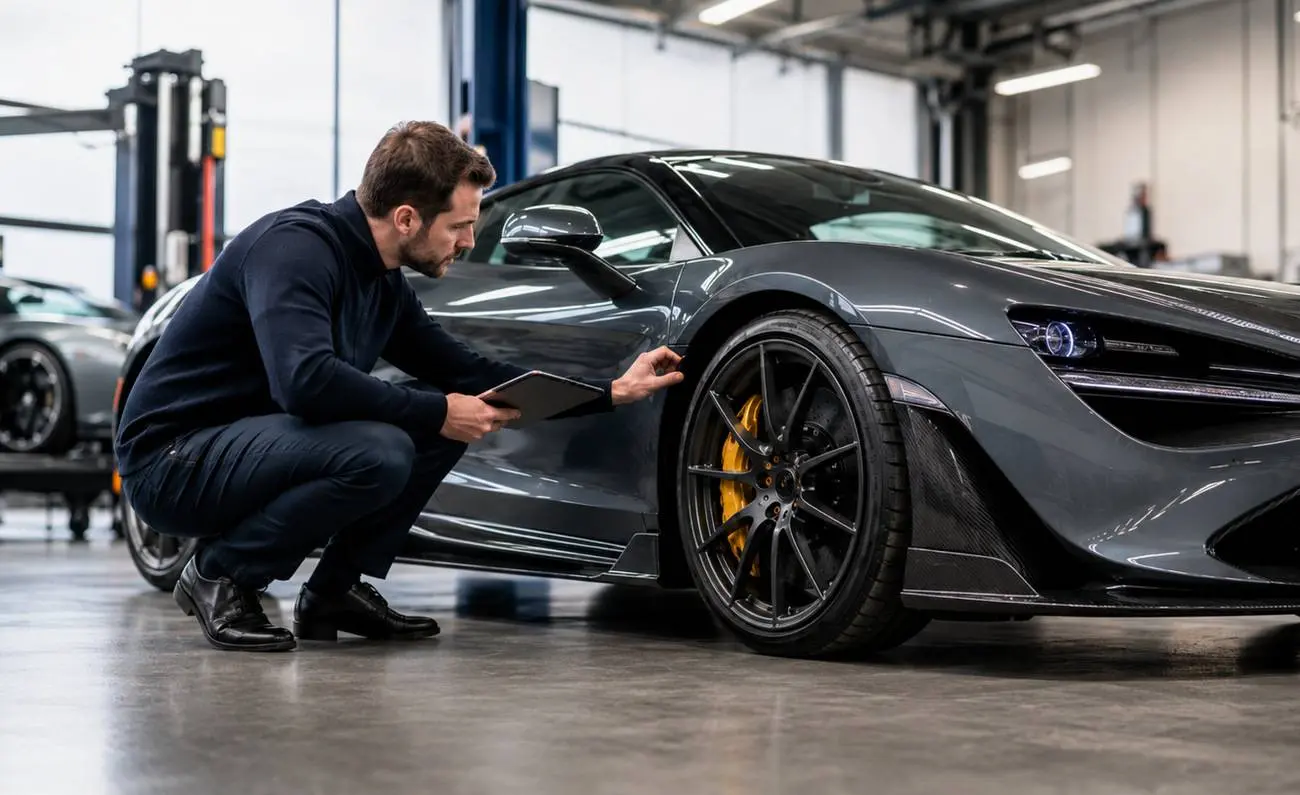
A buyer who approaches a used sports car the way a mechanic approaches a diagnostic gets better outcomes. The inspection checklist for performance vehicles goes beyond what a standard pre-purchase review covers.
- Check for uneven tire wear that suggests alignment or suspension issues
- Inspect brake rotors for heat cracking common after track sessions
- Look for oil seepage around the motor and valve covers
- Test all electronics since automotive systems on performance vehicles are complex
- Verify the ride quality matches the model's expected character
A Mustang or Camaro used hard at a drag strip shows stress in the rear differential and transmission mounts. A Mazda Miata or mx-5 used at autocross events wears bushings and end links faster than a car kept to highway driving.
Subaru all-wheel-drive performance models show stress in their center differentials after spirited use. Toyota reliability holds but even the most dependable platform degrades under track conditions.
The Line Between Sports Cars and GT Cars
The line between sports cars and grand touring machines gets genuinely interesting in the used segment. True sports cars focus on driving purity. A gt car prioritizes covering distance with performance available on demand.
The BMW M5 sits in GT territory despite its performance credentials. Driving a sports car at 9/10ths of its limit communicates differently than piloting a grand touring machine at cruising pace. Car enthusiasts debate this constantly. What matters for a buyer is knowing which experience they actually want.
Modern Sports Cars and Blurred Categories
The modern sports car market blurred the lines decades ago. Suvs deliver sports car acceleration figures. A four-door sedan carries gt3-level performance numbers. Practicality entered segments once reserved for the dedicated few.
A Mazda sports coupe offers agility a full-size GT car never matches. High-performance cars designed for performance now share DNA with machines used as daily drivers without discomfort. This evolution benefits every buyer who understands what the options actually deliver.
Used sports cars reward buyers who do homework before commitment. Run a plate check. Inspect with the mindset of someone who knows what track use does to components. Understand whether a true sports car or a grand touring machine fits the actual use case.
History, condition and category knowledge together determine whether a purchase delivers joy or expense. Sports cars still carry the emotional pull that no sedan or crossover matches. That pull is real. So is the responsibility of buying intelligently.
FAQ
Do high-mileage sports cars always need immediate suspension work?
Not automatically. Mileage matters less than how those miles were accumulated. A sports car driven gently for 80,000 miles often outperforms a low-mileage example that spent time on track without proper maintenance.
Can a hypercar or supercar actually work as a daily driver?
Some buyers do use them daily. The challenge is mechanical — frequent cold starts, city traffic heat cycles and speed bump geometry all stress components designed for sustained high-speed operation. The cost of ownership climbs steeply.
Is a roadster body less rigid than a coupe for track use?
Yes in most cases. A hardtop coupe structure provides more chassis stiffness which directly improves handling precision. Convertible and roadster variants often add reinforcement that adds weight to compensate.
Why do limited production sports cars depreciate differently than regular used vehicles?
Supply restriction keeps values elevated. A ferrari 288 gto or porsche 959 appreciates over time because the assembly line stopped producing them. Standard high-performance cars depreciate normally until collectibility emerges.
Does motorsport heritage actually affect how a used sports car drives today?
Yes. Models with active racing programs receive engineering feedback directly from competition. A porsche 911 gt3 shares brake and suspension development with factory racing efforts. That feedback loop produces measurably better driving dynamics in the road car compared to brands without active motorsport investment.


Latest News




Loading