Air Suspension Repair Kit Guide: Common Failures and Cost-Effective Repairs
Special FeatureFriday, 16 January 2026 at 02:55
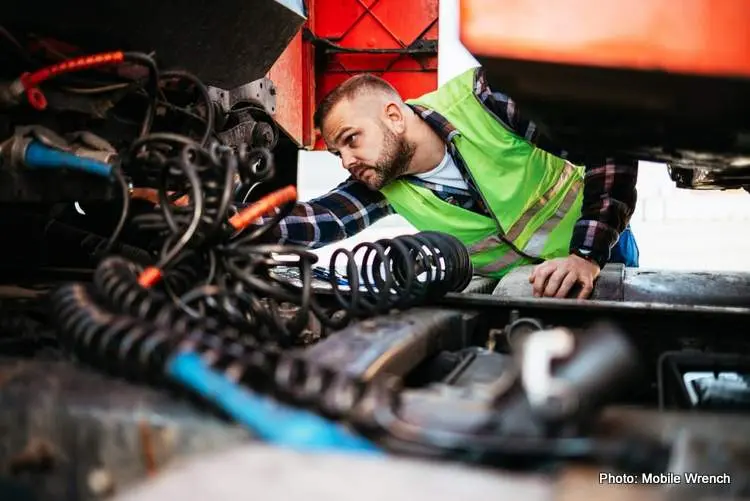
Air suspension systems use compressed air instead of steel springs to control ride height, load leveling, and ride quality. They are common in premium passenger vehicles, SUVs, and commercial platforms.
The system is mechanically simple but highly sensitive to air loss. Most failures are not caused by control modules or sensors, but by aging rubber and worn seals. These failures are localized. In many cases, replacing entire air struts, valve blocks, or compressors is unnecessary. An air suspension repair kit is designed to address these specific mechanical failures and restore system function at significantly lower cost.
How Air Suspension Systems Work
Air suspension replaces coil springs with air springs or bellows. These components support vehicle weight through internal air pressure. A compressor generates compressed air and supplies it to the system, either directly or through a storage reservoir. Valve blocks distribute air to individual suspension corners. Height sensors measure suspension position and provide feedback to the control unit, which adjusts pressure to maintain the target ride height.
The system operates within defined pressure limits. Under normal conditions, it is nearly airtight. The compressor runs intermittently to correct minor pressure fluctuations caused by load variation or temperature changes.
Typical Air Suspension Failures
Most air suspension failures are caused by air loss. Common failure modes include:
- leaks from cracked rubber bellows, porous air sleeves, or deteriorated sealing surfaces;
- hardened or flattened O-rings at air line connections and valve blocks;
- damaged pneumatic fittings caused by vibration or improper installation;
- sagging at one corner or axle after parking, indicating slow pressure loss;
- compressor overload due to repeated refill cycles caused by leaks.
Ozone, road debris, moisture, and temperature changes contribute to the degradation of rubber components. Seals become inelastic and no longer fit the surfaces they are meant to join. Minor leaks become detectable only when the vehicle starts to lose its entire weight during the night or when the compressor is running excessively. If these conditions persist, they will cause the compressor to overheat, the valve block to get contaminated, and electrical shutdowns.
What an Air Suspension Repair Kit Includes
Air suspension repair kits are engineered to restore the sealing and structural integrity of existing components. Contents are determined by the specific area to be repaired, but usually consist of the following:
- pressure sealing rings and O-rings with high durability made of rubber or fluorocarbon materials;
- sections of bellows or air spring sleeves that are replaced when cracked or worn, like including air bags;
- fittings, connectors, and clips that are pneumatic;
- covers for dust, sleeves for protection, or guiding elements for pneumatic struts.
These kits cover the most frequently worn areas without replacing parts such as dampers, housings, or mounting brackets that are still structurally sound. Quality repair kits are produced according to factory dimensions and are rated for the same pressure.
Repair Process Overview
Repair begins with systematic diagnosis. Ride height is measured at all corners to identify sagging patterns. Compressor operation time is evaluated. Fault codes and sensor data are reviewed to rule out control errors. Leak detection is performed using soapy water, ultrasonic tools, or pressure decay monitoring.
Once the leak source is identified, the system is depressurized in accordance with the manufacturer's procedures. The damaged component—seal, sleeve, or fitting—is removed. All contact surfaces must be thoroughly cleaned to ensure proper sealing and prevent repair failures. Dirt, corrosion, or rubber residue prevents proper sealing and leads to repeat failures.
New components from the repair kit are installed using correct lubrication compatible with pneumatic systems. O-rings should be properly seated in their grooves, ensuring they are untwisted and evenly compressed. Sleeves must be aligned correctly to avoid chafing during suspension travel. After reassembly, the system is repressurized gradually. Leak checks are repeated at operating pressure.
Post-repair checks include ride-height verification, load testing, and compressor duty-cycle monitoring. Height calibration is performed if required. The system should maintain pressure over extended periods without excessive compressor operation.
Advantages of Repair Kits Over Full Component Replacement
Repair kits correct the actual failure instead of replacing functional assemblies. Full air strut or compressor replacement is costly and often unjustified when only seals or rubber elements have failed. Repair kits significantly reduce parts costs and labor time.
Retaining original housings and dampers avoids fitment issues and preserves factory ride characteristics. Reduced compressor workload extends compressor service life and prevents secondary failures. Repairs are faster, minimize vehicle downtime, and typically do not require software updates or coding.
When installed correctly, they provide long-term durability comparable to new assemblies while addressing the root cause of air loss.
Air suspension systems fail primarily due to air leaks caused by seal and rubber degradation. These failures are confined to specific mechanical components, such as seals and rubber elements. Air suspension repair kits target these weak points directly. They restore airtight integrity, correct ride height loss, reduce compressor stress, and prevent cascading system damage. When installed promptly and correctly, repair kits provide the most efficient, cost-effective, and technically reliable solution for air suspension systems.

Latest News









Loading