5 Lessons Everyday Drivers Can Learn from Motorsport Safety
Special FeatureFriday, 26 June 2026 at 01:31

Motorsport is often associated with speed, competition, and state-of-the-art technologies. From Formula 1 to endurance racing to rally competitions to touring car championships, racing challenges both drivers and the machines they operate.
While the average motorist will never face anything close to what professional racers experience behind the wheel, there are some valuable safety lessons every motorist could learn from the world of motorsport.
Over the decades, motorsport has become a platform for innovations to increase vehicle safety. Some safety mechanisms currently found in modern passenger cars were inspired by those used in motorsport competitions. But behind-the-wheel safety techniques that professional drivers use can also be beneficial for any motorist.
Here are five valuable safety lessons that the average motorist can learn from the world of motorsport.
Lesson 1: Preparation Is Essential Before Every Drive
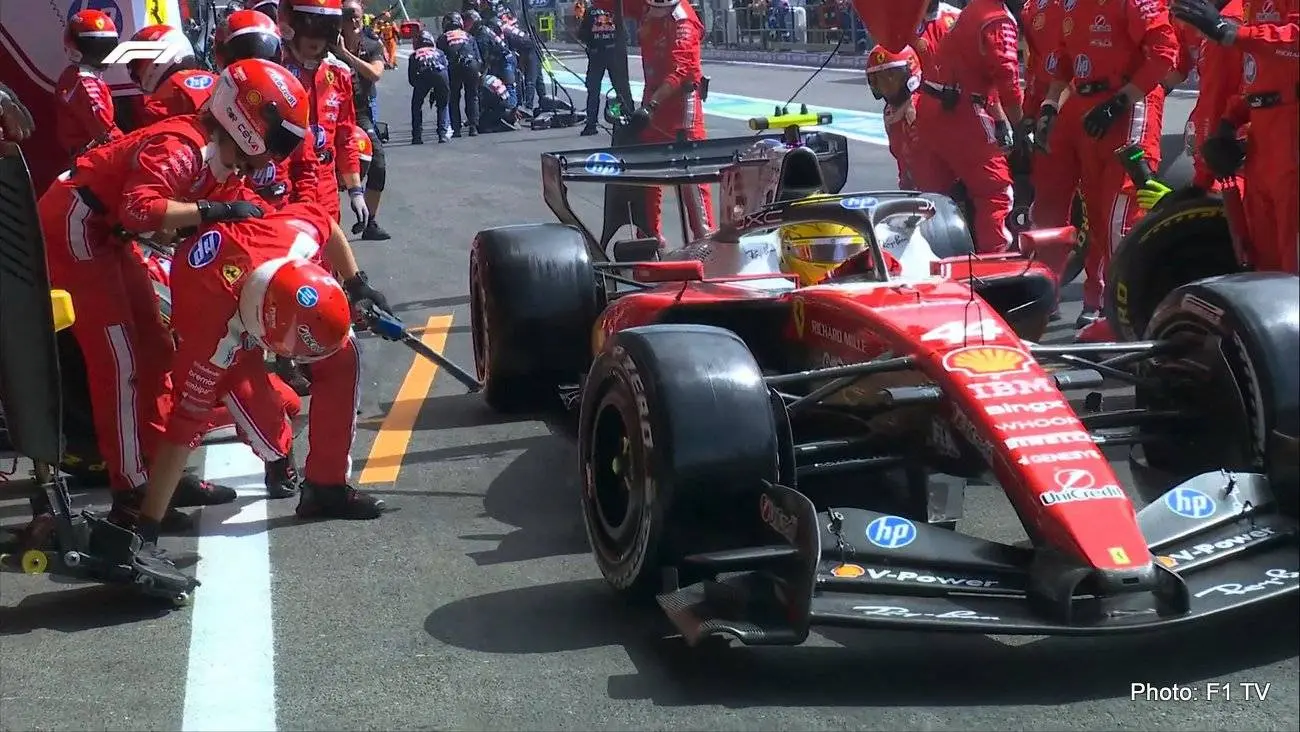
Professional racing teams usually pay meticulous attention to preparing their cars. Before every race session, professional mechanics carefully examine the vehicle, tires, fluids, and safety mechanisms. While the average motorist isn’t a professional mechanic, that doesn’t mean drivers can’t adopt the same meticulous approach to be safer.
Some simple preparatory measures that people can do independently include the following:
- Checking the pressure and condition of the tires
- Checking the level of oil and coolants
- Checking whether all lights work properly
- Making sure that the windshield wipers work
- Fixing any warning signs on the dashboard
The lack of proper vehicle maintenance is one of the most common causes of accidents that cause mayhem on roads and highways and lead to insurance claims and even lawsuits involving personal injury lawyers. Motorsport shows that preparation is essential for safety.
Lesson 2: Situational Awareness Helps to Prevent Accidents
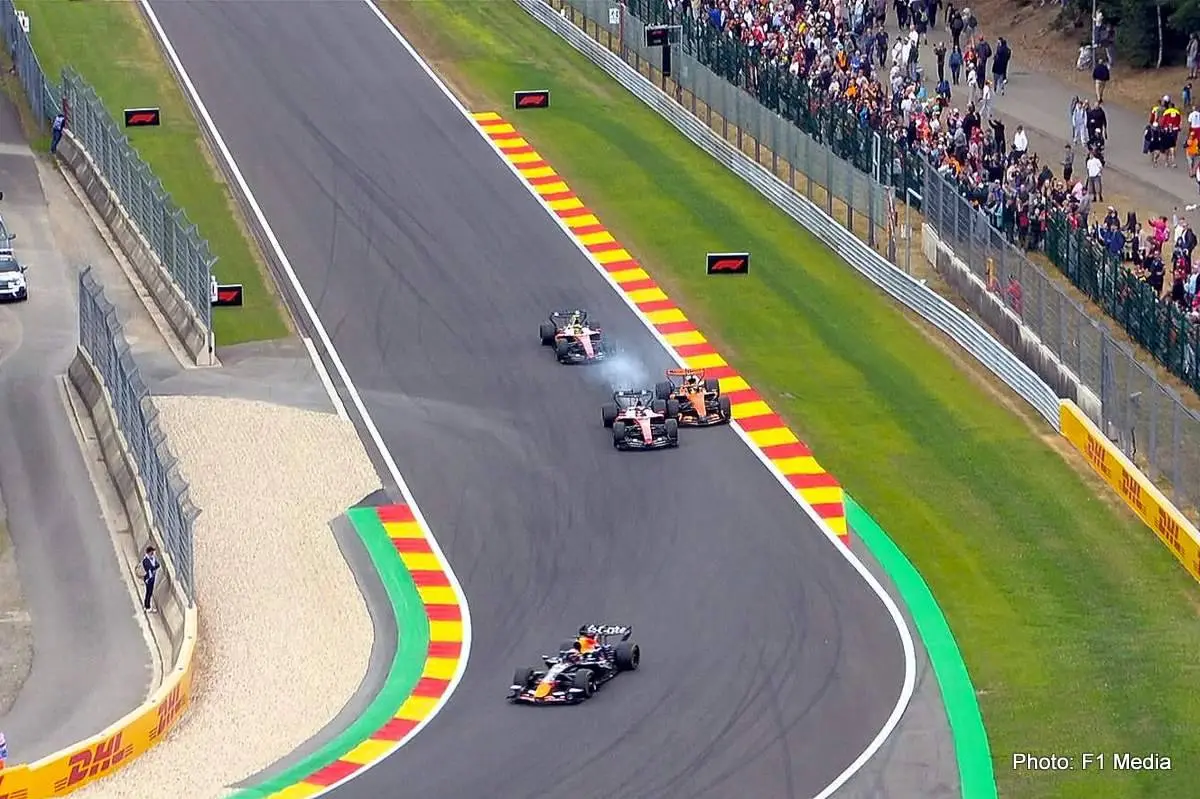
One of the most important skills a professional driver has is situational awareness. Professional drivers always monitor the condition of the track and the behavior of the fellow racers.
Situational awareness is also important when driving on public roads. Distracted driving remains one of the most common reasons for collisions. Using mobile phones and navigation devices can also distract motorists, lower their reaction times, and increase the risk of accidents.
It’s possible for every driver, not just professional ones, to increase situational awareness by doing the following:
- Looking ahead
- Scanning mirrors
- Anticipating the movements of other vehicles
- Monitoring the presence of pedestrians and cyclists
- Avoiding distractions
As professional racers know, hazards can appear well before a collision becomes inevitable. So, anticipating possible problems can afford precious seconds to avoid accidents.
Lesson 3: Safety Mechanisms Help Only If They’re Used Correctly
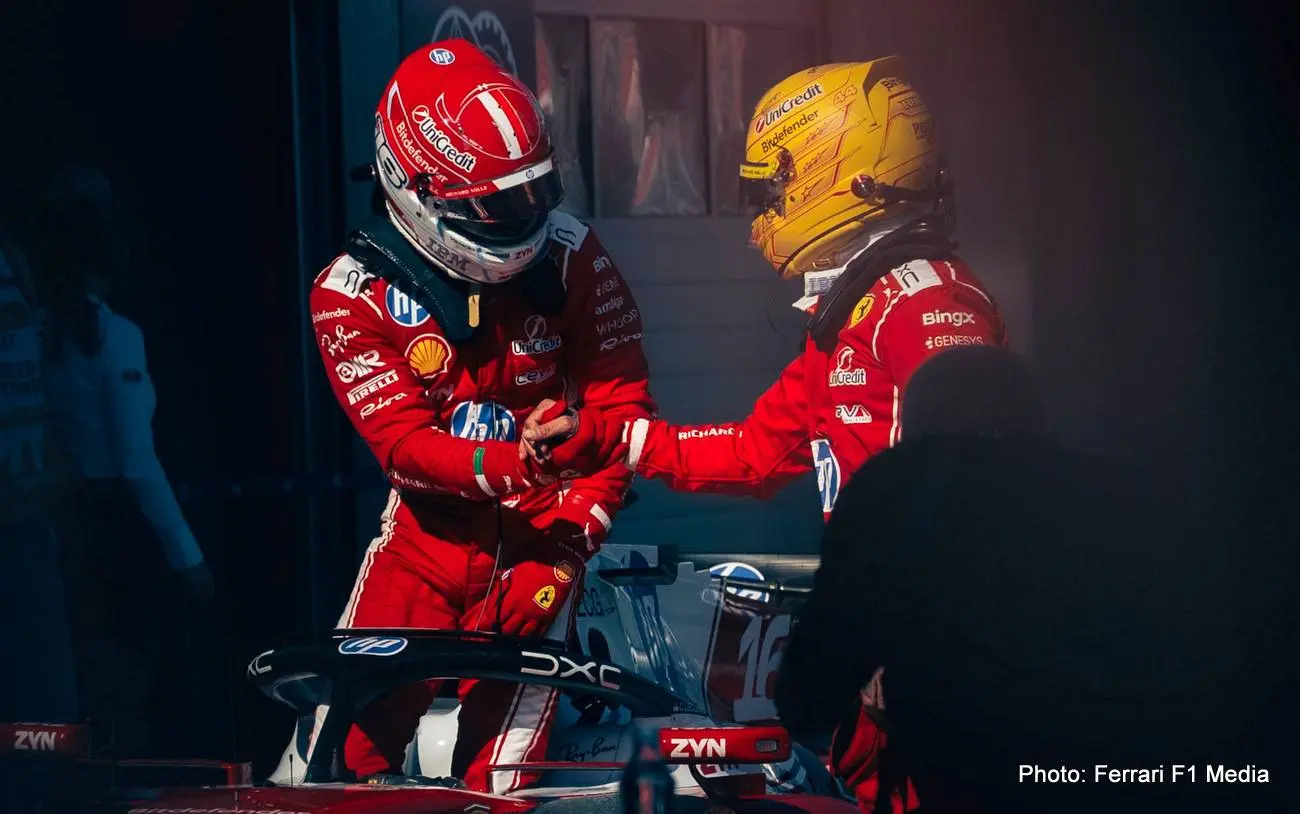
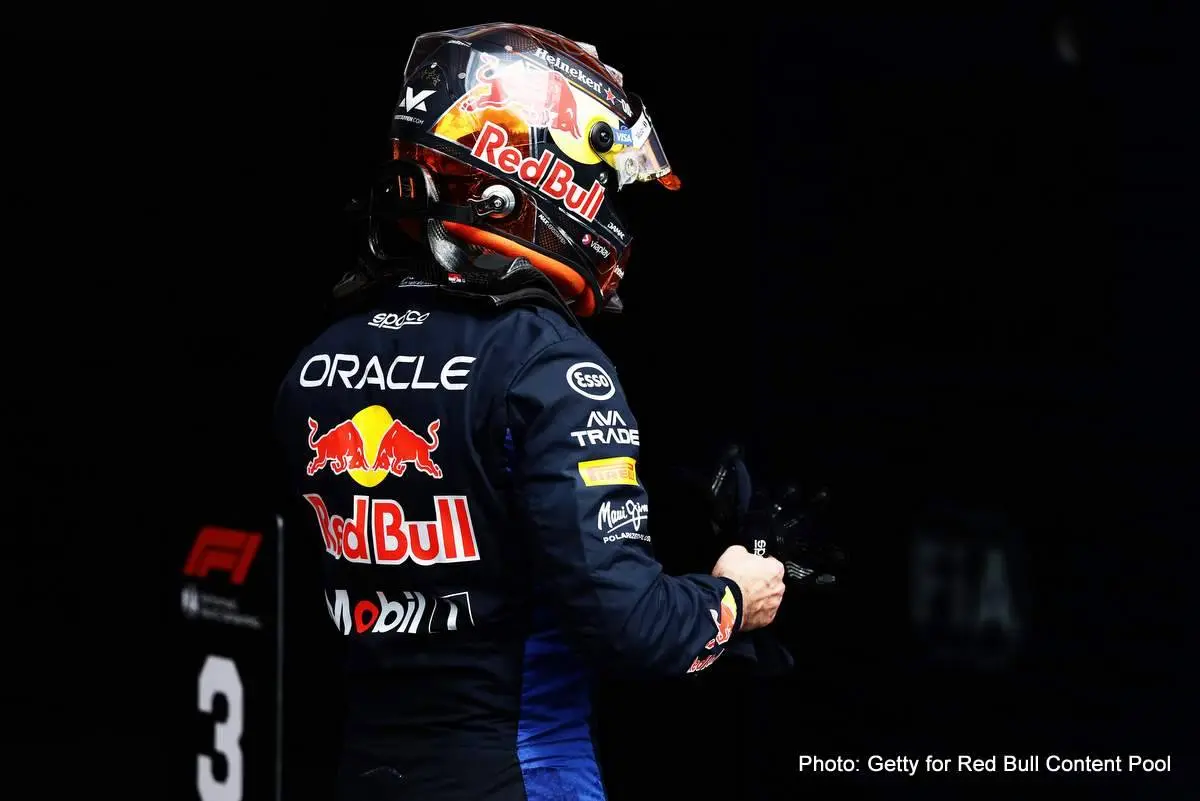
Professional motorsport uses various safety mechanisms, such as helmets, fireproof suits, harnesses, crush structures, head and neck restraints, and others. Those safety mechanisms are designed to work together and minimize the consequences of a crash.
Sometimes, motorists ignore the safety systems in their cars -- thinking they work automatically. However, motorsport shows that protective equipment works only when used properly.
Lesson 4: Respect Changing Road Conditions and Weather
Professional motorsport teams spend many hours analyzing track conditions. Factors such as temperature, rain, traction, visibility, and other conditions affect vehicle safety and performance.
Regular drivers face the same situation on the road. Poor weather, snow, ice, fog, strong winds -- all those things make accidents more probable. However, collisions often occur because drivers are unable to adapt their driving behavior to changing road conditions.
Motorsport proves that it’s better to adapt to the road conditions rather than pretend they’re ideal. For example, drivers can do the following:
- Reduce speed when the weather is bad
- Use appropriate tires according to the season
- Avoid rapid steering inputs
- Allow additional time for traveling
No matter how advanced safety systems are, they can’t overcome bad road conditions.
Professional drivers always know that adaptation to the road conditions isn’t a sign of cowardice. It’s a sign of experience and intelligence.
Lesson 5: Continuous Improvement Increases Safety
The best drivers in the world are always looking for ways to improve. World champions analyze data, their own mistakes, competitors' behavior, and constantly try to improve their skills.
Unfortunately, most drivers quit trying to develop their skills shortly after getting their licenses.
Road conditions, vehicle technologies, and the traffic environment constantly change. Drivers who continue developing themselves in this area are better prepared for unexpected situations.
Some ways to continuously improve may include doing the following:
- Taking defensive driving classes
- Learning emergency braking
- Understanding the operation of advanced driver assistance systems
- Staying up to date with road safety best practices
- Reviewing new traffic regulations
Continuous improvement helps people become better drivers. Moreover, it increases confidence in driving abilities and decreases the probability of errors.
Motorsport and everyday driving may seem like completely different things. Nevertheless, many lessons professional racers use to stay safe are useful for regular motorists as well.
Those lessons don’t require either expensive technology or professional training. They merely require the ability to approach driving like professional racing drivers approach their jobs.
Latest News



Loading