The Hidden Infrastructure Behind Formula 1 Race Weekends
F1 Grand PrixWednesday, 11 March 2026 at 05:21

The Hidden Infrastructure Behind Formula 1 Race Weekends: Technical Crews, Broadcast Operations, and Event Execution
A Formula 1 race doesn’t last long. But
the production behind it takes days of preparation, thousands of specialists,
and a tightly coordinated technical ecosystem that most fans never see.
What unfolds on a race weekend is the
visible tip of a massive, mobile operation built on engineering precision and
broadcast excellence.
The Technical Crews Rebuilding Cars Under Extreme Time Pressure
Before engines fire on race day, cars
arrive in freight containers and are rebuilt inside temporary garages that
function like high-tech laboratories. Every bolt, sensor, and aerodynamic component is checked,
recalibrated, or replaced.
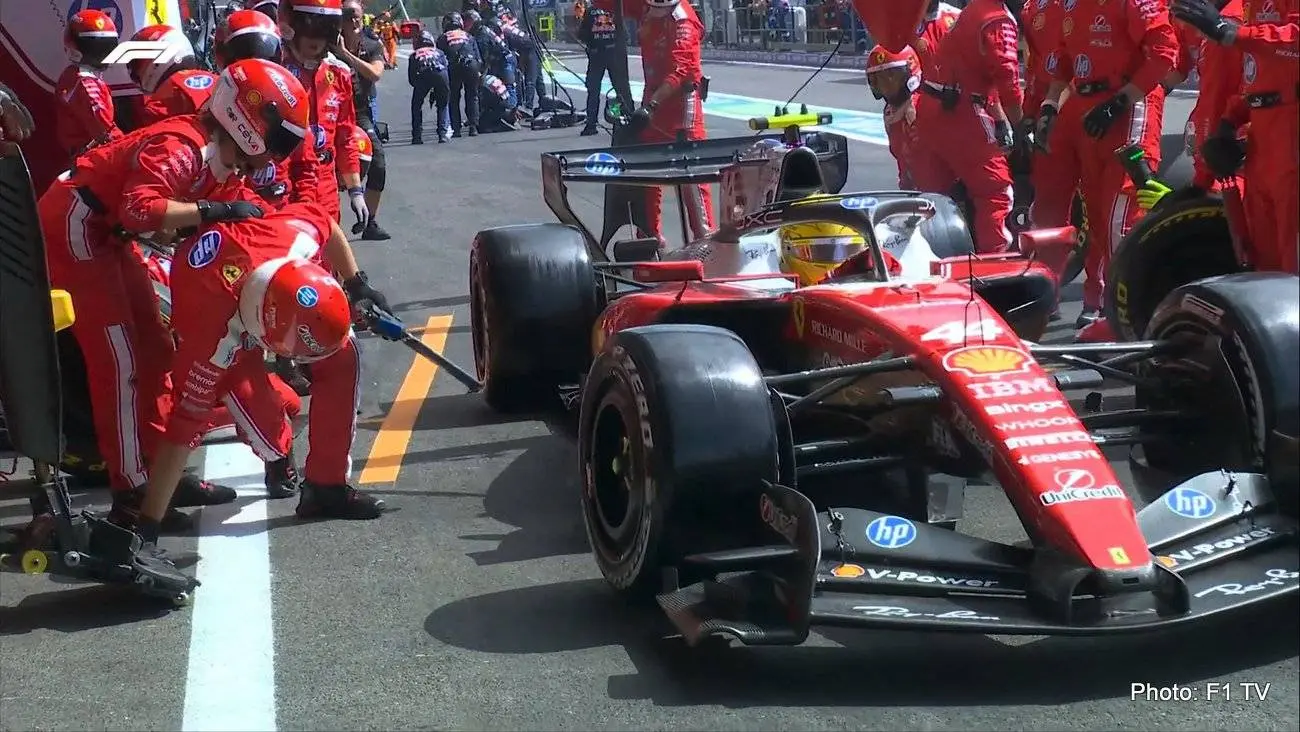
Mechanics face a 150-minute window before
qualifying to dismantle and reassemble key parts of the car. Missing that
window can mean starting at the back of the grid or retiring before the lights
even go out. Pressure at that level demands flawless execution.
Inside the garage, performance engineers
monitor telemetry in real time while strategy teams simulate race scenarios.
Power-unit specialists inspect hybrid systems between sessions. And tire
engineers analyze degradation patterns to predict race pace.
The workflow typically includes:
●
Full strip-downs after practice
sessions
●
Data-driven setup changes based on
live simulations
●
Rapid component swaps within
strict regulatory limits
Each task connects to the next. A delay
in diagnostics can disrupt setup changes, which can ultimately affect race
strategy.
Broadcast Operations Turning Racing Into Global Television
Viewers see seamless onboard footage,
slow-motion replays, and real-time graphics. Delivering that experience
requires an enormous technical backbone operating without interruption.
A behind-the-scenes feature by Autosport shows that Formula 1’s broadcast
infrastructure includes dozens of ultra-high-definition cameras, extensive
fiber cabling, and advanced data-processing systems at every circuit.
The same report notes that roughly 500
terabytes of data can be generated during a single race weekend. Those
terabytes represent every camera angle, timing feed, team-radio clip, and
graphic overlay that fans depend on to understand what is happening at full
speed.
The Event Technical Center at the Core
At the center of race weekend
broadcasting sits the Event Technical Center. Engineers manage incoming video
feeds, coordinate with global broadcast partners, and monitor signal integrity
across multiple time zones.
Latency is measured in milliseconds.
Backup systems mirror primary feeds to reduce the risk of interruption. And
production teams rehearse contingency plans long before the first practice
session begins.
Production Teams Capturing the Speed
Trackside camera operators follow cars
traveling faster than 200 miles per hour. And audio engineers isolate team
communications from layers of engine noise. Also, directors orchestrate live
cuts while responding to unpredictable on-track moments.
So, audiovisual teams and other tech
professionals are essential.
When you staff your
event with expertly trained AV crews, whether that is an F1 event or
another type of event, you can ensure seamless execution that operates without
hiccups.
The Logistics of Moving a Traveling City
Formula 1 does not travel light. Teams
transport garages, pit-wall command centers, spare parts, hospitality
structures, and complex IT systems across continents throughout the season.
Team garages are mobile high-tech hubs
that are rebuilt to exact specifications at every venue. Engineers depend on
identical layouts and reliable infrastructure, regardless of geography.
Air freight, sea freight, and trucking
fleets operate on precise schedules. Equipment often moves ahead of personnel
to reduce turnaround time between races.
Street Circuits Add Another Layer of Complexity
Permanent circuits are designed for
racing. Street circuits must be transformed from public roads into FIA-approved
tracks within tight municipal deadlines.
Temporary barriers, fencing, lighting,
hospitality units, and broadcast cabling must be installed and later removed
with minimal disruption to the host city. Build-out and teardown windows are
tightly managed, often requiring overnight shifts and coordinated crews working
in parallel.
Coordinating Thousands of Moving Parts
Race control officials, safety marshals,
medical teams, IT engineers, hospitality staff, and security personnel operate
simultaneously throughout a weekend. Communication flows through radio
networks, centralized dashboards, and layered command systems.
Redundancy is built into nearly every
operation. Backup timing systems, secondary power supplies, and mirrored data
feeds protect competitive integrity and broadcast continuity.
Creative teams also play a role.
Social-media crews, sponsor-integration managers, and digital-content producers
align their timelines with broadcast and sporting regulations.
No department works in isolation.
Technical crews rely on logistics. Broadcast teams rely on race control. And
event managers rely on synchronized communication across every unit.
Turning Complexity Into Seamless Experience
Race day may look effortless from the
stands or the couch. But that effortlessness is the product of disciplined
staffing, precise workflows, and layered contingency planning.
If you are planning a large-scale event
and want that level of precision, explore the service options at Audiovisual
Nation to discuss your production needs. And if you found this post to be
helpful, take a look at our other informative content!
Latest News



Loading