How the 2026 Miami Grand Prix Could Change Race Strategy This Season
F1 Grand PrixWednesday, 11 March 2026 at 02:15
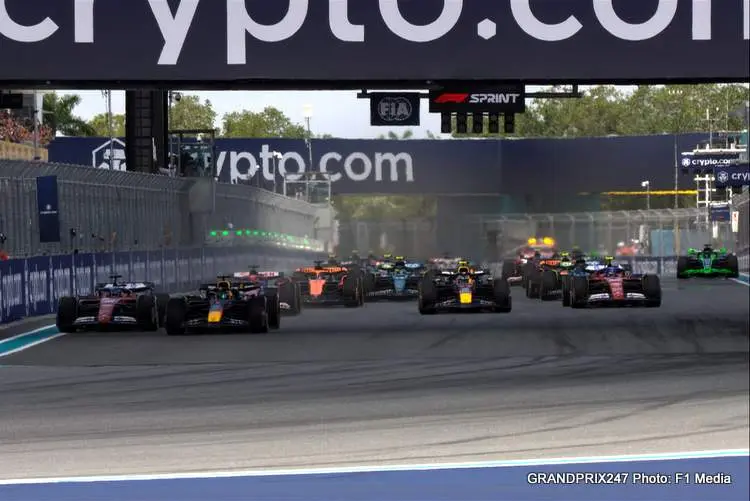
Here is the thing about the Miami Grand Prix. At first glance, it might look like the same race weekend with the same basic problems. Long straights. Heavy braking zones.
A tricky, slow section that can ruin your
rhythm if the car is not settled. But 2026 changes the picture even without an
official circuit redesign.
That is the key point right there. Formula 1's new
rules matter more than a fresh coat of paint on the track. The cars are smaller
and lighter than before, the tyres are narrower, and the power units now lean
much more heavily on electrical energy. All of that changes how teams think
about overtaking, tyre life, energy use, and even how aggressive they can be
over one lap.
And here is why Miami matters. It is a good place to
feel those changes because the circuit already asks a lot from the car.
Miami has always rewarded cars that can get out of
corners cleanly and carry speed down the long sections. That part will not
change. What will change is how teams get there.
The 2026 cars are smaller, lighter, and more nimble.
The wheelbase has been shortened, the floor is narrower, and the tyres are
slimmer than before. Formula 1 and the FIA have both framed that as a move
toward cars that are easier to place and more responsive, but there is a
trade-off, too. Narrower tyres mean less contact patch, which can mean less
grip in some situations.
Straight-line Speed Will Matter Even More in Miami
That matters in Miami because this track is not just
about pure top speed. It is about switching between very different demands. You
need the confidence to attack the faster sections, then enough control to
survive the slower, more technical parts without overheating the tyres or
sliding too much on exit. A car that looks brilliant on the straight but
unstable in the tighter sequence could still lose the race.
There is also the wider reality that race weekends no
longer end when the cars stop. Fans now move between highlights, analysis,
social clips, fantasy picks, and all kinds of mobile-first entertainment that
may include online casino gaming. In that bigger digital mix, even names like lemon casino sit alongside the many other online distractions
competing for attention once the session is over.
This is where Miami gets interesting. The 2026 power unit rules shift the balance much
closer to 50 percent internal combustion and 50 percent electric power. That is
a huge change compared with the old formula, and it means energy deployment
becomes an even bigger part of racecraft.
On a track with long acceleration zones, that could
shape almost everything. Drivers may need to think more carefully about where
they attack and where they save. Teams may have to be smarter about when they
spend electrical energy and when they hold something back. In simple terms,
Miami could become one of those races where the fastest car on paper is not
always the car that controls the race best.
That also changes overtaking logic. A move that looked
easy in older cars may now require better timing. If energy use becomes
tighter, then getting within range is only part of the job. Having enough left
to finish the move matters just as much.
Tyre Strategy May Get Less Predictable
Miami's weather already creates uncertainty. Heat,
surface temperature, and traffic can all shift the feel of the race rapidly.
Add new tyres and new cars to that, and teams may have less certainty than
usual going in.
The 2026 regulations keep the 18-inch wheels, but the
tyre widths are reduced by 25 mm at the front and 30 mm at the rear. That is
meant to cut drag and reduce weight, but it also changes how the tyres behave
across a stint.
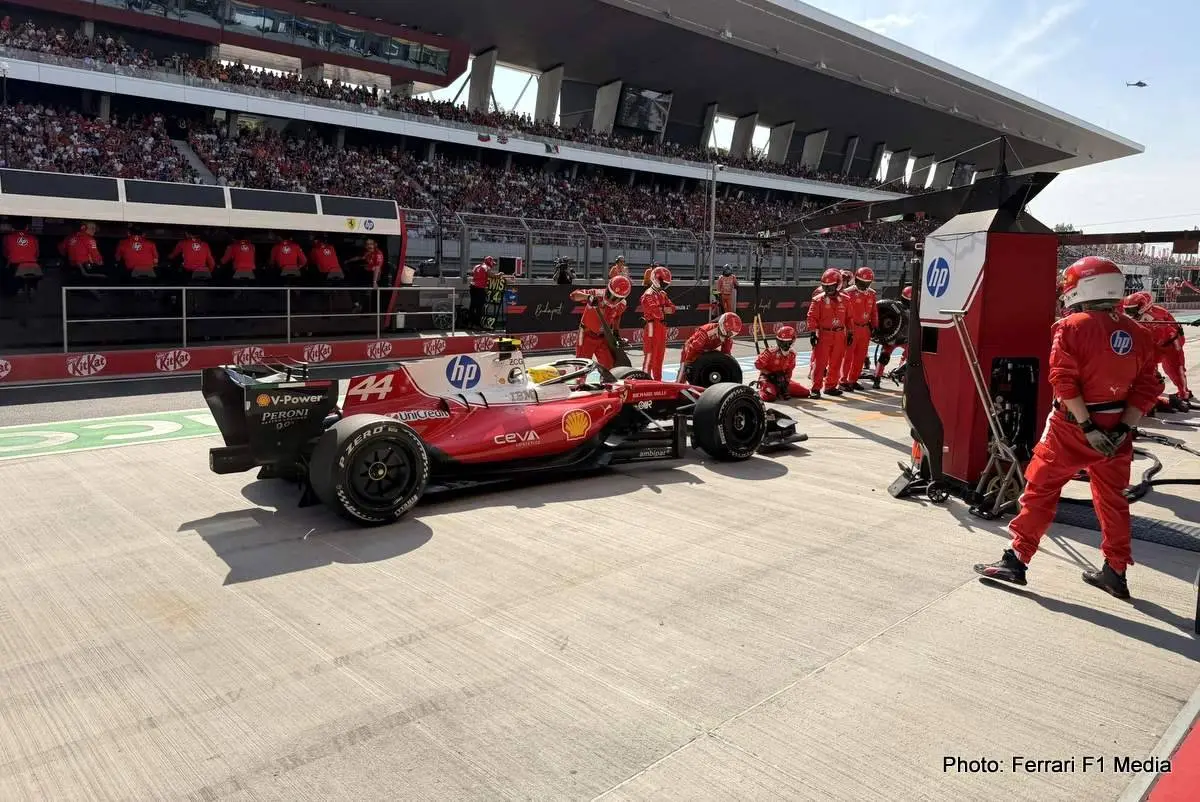
In Miami, that could push strategy in two directions.
Some teams may find that lighter, more agile cars protect the tyres better than
expected. Others may struggle once the rear tyres start to lose stability on
traction. If that split appears, then the race stops being about one obvious
strategy and becomes much more team-specific.
That is usually when Miami gets better. The more
variation there is between cars, the more likely we are to see teams making
genuinely different calls.
Miami already rewards clean air. The layout gives you
overtaking chances, but it also punishes drivers who spend too long stuck in
traffic. So if the new regulations make following less consistent in certain
corners, then qualifying could matter even more than before.
Smaller cars should help wheel-to-wheel racing in
theory. Formula 1 has said the new dimensions can create more room for cars to
battle. But theory and race-day reality are not always the same thing.
If teams find that the turbulent sections still hurt
tyre life or battery strategy when running behind another car, then track
position becomes even more valuable.
That would make Saturday more crucial. Not
because Miami suddenly turns into Monaco, but because the cost of running
second in the wrong phase of the race could rise.
Latest News


Loading

