How Serious Formula 1 Fans Budget for a Full Season of Races And How Crypto Helps
F1 Grand PrixThursday, 12 March 2026 at 01:14
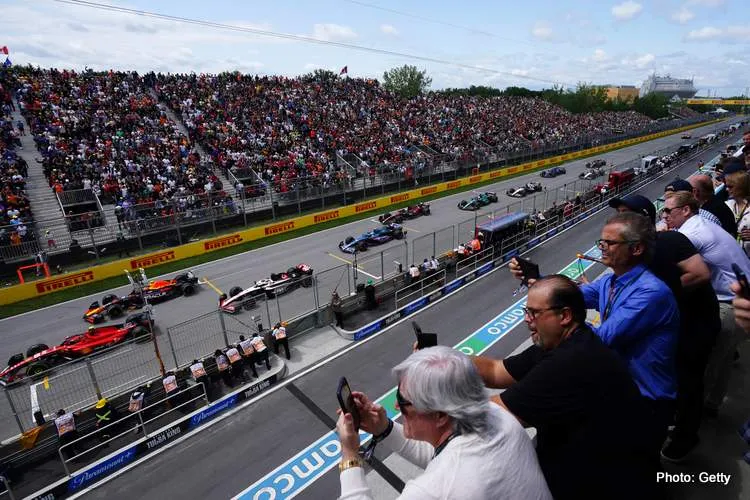
Travelling to every Formula 1 Grand Prix in a single season is not a casual hobby. The current calendar runs to 24 races across five continents, spanning locations from Melbourne and Suzuka to Monza and Las Vegas.
For Formula fans who commit to attending most or all of them, it represents one of the most logistically and financially demanding pursuits in sport.
The costs add up faster than most people outside this world realise. Tickets alone can range from a few hundred pounds for a grandstand seat in Bahrain to several thousand for a premium hospitality package at Monaco or Las Vegas. Add flights, accommodation, transfers, food, merchandise, and the occasional upgrade, and a full season easily reaches into five or six figures for a committed attendee.
Managing payments across that many countries and currencies is complicated. Many fans are now turning to crypto payment platforms, and services like gatewaycrypto.io have become part of the broader conversation around how to handle cross-border transactions without losing money on conversion fees and bank charges.
The Real Cost of a Full Season
Tickets and Hospitality
Ticket pricing in Formula 1 varies wildly depending on the circuit and the tier you select. The British Grand Prix at Silverstone offers general admission from around £129, while a two-day grandstand pass can comfortably exceed £350. At the other end of the spectrum, Monaco hospitality packages from official partners regularly start at several thousand pounds per person, and many fans mix premium and standard experiences to balance the cost.
Beyond the ticket itself, hospitality upsells are a significant part of the F1 economy. Paddock Club access, team experiences, and VIP transfers all carry substantial price tags, and demand for them has grown considerably as the sport expanded its global fanbase through media coverage and the younger audiences it attracted in recent seasons.
Travel and Accommodation
Travel to long-haul races such as Singapore, Japan, or Australia adds up quickly, and accommodation in race cities commands enormous premiums during Grand Prix weekends. Hotels in Monaco during the race sell out more than a year in advance, and prices in Singapore during the night race routinely double or triple compared to a standard weekend in the city.
Experienced attendees book accommodation 12 to 18 months out and often share costs across groups to keep the figures manageable. Many opt for apartments or short-term rental properties over hotels, particularly for races in less central locations where options are limited, and pricing is aggressive.
Merchandise and Race Week Spending
Official F1 merchandise at the track, including team caps, jackets, and race programmes, is priced at a significant premium compared to online retail, and the atmosphere of a live race weekend makes it difficult to walk past the merchandise village without spending.
Food, drink, and general race-day expenses add another layer. Catering inside major circuits can be expensive by any standard, and fans attending long-haul races frequently factor in restaurant dinners, group outings, and city tourism around the Grand Prix weekend itself. When all of these smaller costs are totalled across a full calendar, the discretionary spending at and around circuits can rival the cost of the tickets in certain seasons.
How Crypto Changes the Equation
Cross-Border Payments Without the Friction
Bank transfer fees, card surcharges, and unfavourable exchange rates can add a meaningful percentage to every transaction across a season of international races. Cryptocurrency sidesteps a significant portion of this friction by allowing value to move between parties without passing through multiple intermediaries, with each taking a small cut along the way.
For fans purchasing tickets, travel packages, or merchandise from vendors in different countries, paying in stablecoins or other cryptocurrencies means the transaction completes at a known cost without the uncertainty of exchange rate fluctuation between booking and settlement. That kind of predictability matters enormously when you are managing a budget across 20-plus destinations.
Volatility Management for Travel Budgets
Volatility is a legitimate issue for assets like Bitcoin or Ethereum, which can move significantly in value over short periods. The practical solution that most crypto-savvy travellers use is holding a portion of their travel budget in stablecoins, such as USDT or USDC, which are pegged to fiat currencies and do not expose the holder to market swings.
How to Plan the Season Like a Professional
Fans who attend the full calendar, or close to it, tend to operate with a structured annual budget rather than booking race by race.
A typical approach involves categorising races by tier: non-negotiable anchor events, secondary races that offer strong value for money, and stretch goals that get added if the budget allows. This discipline reduces financial stress and makes it easier to absorb unexpected costs.
The intersection of F1 fandom and crypto adoption is not accidental. Both communities attract technically curious, globally mobile individuals who are comfortable managing complexity and who genuinely reward good planning.
For a sport that now spans the entire globe, crypto tools offer something traditional finance often cannot deliver: full control over travel funds at every stop along the way.
Latest News







Loading