Zak Brown “can’t imagine” being disqualified for Australia over Mercedes engine row
F1 NewsWednesday, 11 February 2026 at 11:00

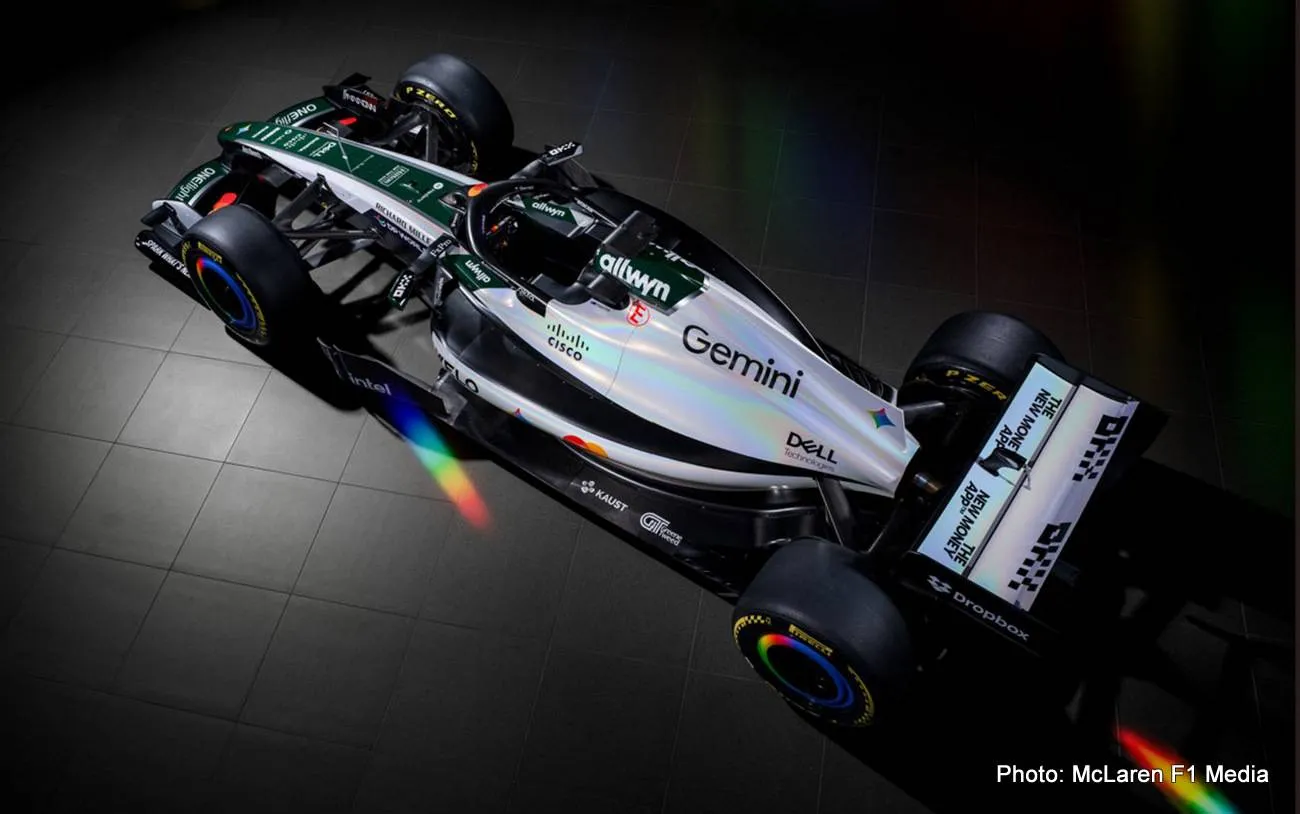
McLaren CEO Zak Brown has weighed in on the row over the legality of Mercedes’ 2026 Formula 1 engine to say that he doesn’t foresee any issues for his team.
The 2026 season hasn’t even started yet, and F1 teams have already begun squabbling about the new engine regulations. This debate has emerged amid rumors that two teams, reported to be Mercedes and Red Bull, have found a way of getting around ‘compression ratio limits.’
As explained in our technical breakdown, we’re talking about how much the air-fuel mix in an engine is compressed prior to ignition. Generally, a higher ratio equals more power. While the limit has been dropped from 18:1 to 16:1 for the new season to improve sustainability, this ratio is measured when the engine is off at ambient temperature.
Using materials that expand at higher temperatures, it’s therefore possible to get around the limit and go faster. With Mercedes said to be taking advantage big time, the FIA could now change the regulations before Melbourne, ruling their engines illegal and leaving customers like McLaren in deep trouble.
However, speaking ahead of pre-season testing in Bahrain, Brown sought to calm these fears, underlining that he had faith in Mercedes’ engine and expected it to be race-legal.
Brown told GrandPrix247: “I can't imagine that you wouldn't have Mercedes teams on the grid in Australia.
“We're not privy to those conversations, so I wouldn't even know from our unit point of view what would be required to change the regulations. But we'll have all the Mercedes teams on the grid in Australia, I'm sure.”
Are McLaren at risk of missing Melbourne?

Even before the Barcelona shakedown, when we got to see many of the teams’ 2026 challengers for the first time, Mercedes were nailed on favourites. Given how the Silver Arrows dominated the early turbo-hybrid era, that’s a logical (though unproven) assumption.
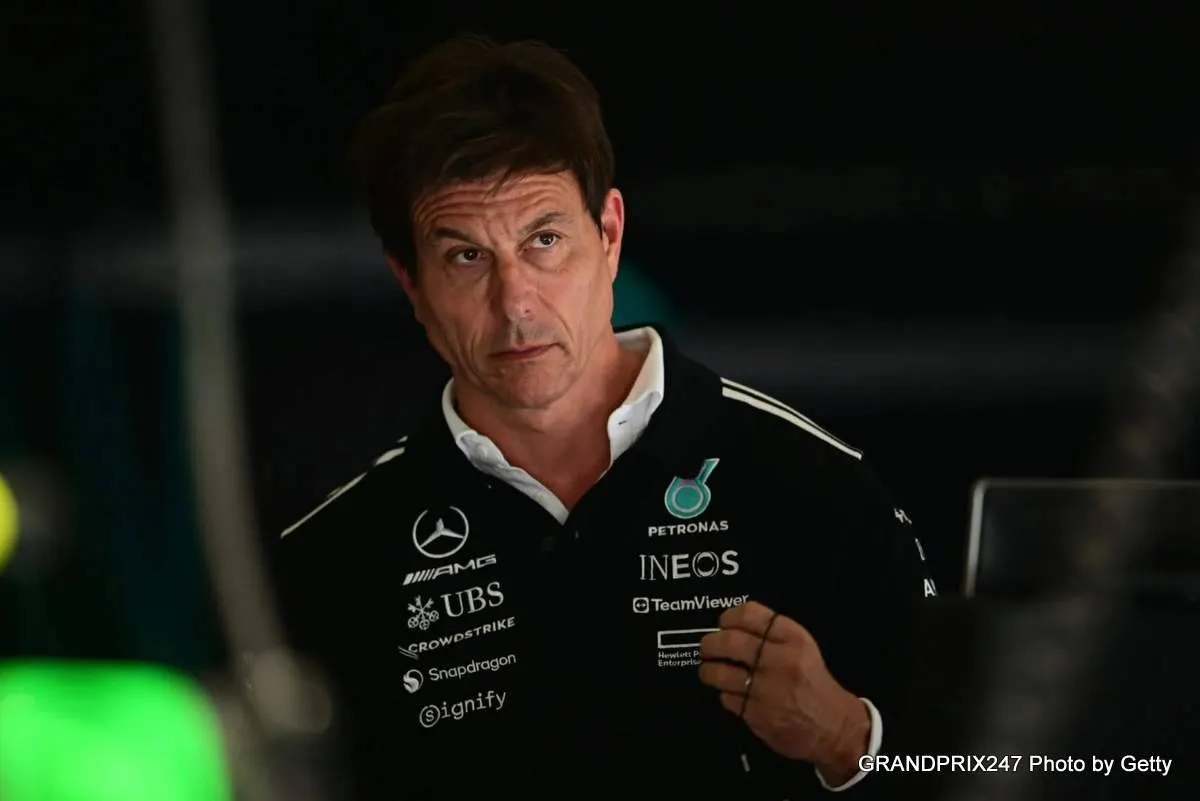
For his part, Toto Wolff hasn't claimed an engine advantage, but he has said the FIA was fully onboard with the design from day one. If teams want to change the rules (and they're lobbying to do this) they not only require the support of four out of five manufacturers (which is possible), they need backing from the FIA itself and FOM.
So, this eventuality remains unlikely—especially if you believe Wolff’s version of events. But if changes were to be pushed through, it would be disastrous for Mercedes, as well as customer teams like Williams, Alpine, and McLaren.
Sticking to his guns, Brown rubbished his rivals’ complaints throughout his press conference, emphasizing how McLaren have been "kept in the loop" on development, and labeling their protests the “typical politics of Formula 1."
Brown added: “The engine is totally compliant and within the rules. That's what the sport is about, no different than things like double diffusers that we've seen in the past, where they're compliant and within the rules.
“I don't believe there's a significant advantage in being represented by the competition, but of course, their job is any perceived advantage; they'll make some story out of it, but in reality the engine is completely compliant, passed all its tests, and [Mercedes] HPP has done a good job.”
Not the first engine controversy in F1

Brown referenced Brawn GP’s game-changing rear-blown double diffuser in his response, which turned out to be legal (though it was later banned), so F1 isn’t exactly new to this kind of controversy. In fact, it’s practically tradition as teams fight for every inch of performance.
Just a few years ago, Ferrari were accused of exceeding fuel flow limits. Eventually the Scuderia came to an agreement with the FIA and mysteriously fell back through the field. Oil burning was viewed as a similar tactic exploited by multiple teams in the 2010s to improve performance. In this case, the FIA took a less strict approach, slowly limiting oil consumption to the point that it didn't make sense.
Essentially, the complex nature of F1 politics has led to inconsistency in the way these debates are handled. If the sport’s rulemakers decide to clamp down on Mercedes’ engine, we could end up with a farcical Indianapolis 2005-style race with very few contenders making the grid in Australia.
Not to mention the cost and impossibility of redesigning an engine from scratch just a few weeks away from the first race—and giving away a perceived performance advantage.
There’s a real risk that F1 ends up in the stewards' room (or in court) over this particular scandal. We propose that teams do as Toto suggests: “Get your sh!t together” and stop making "excuses before you even started!"
Latest News


Loading