What happened the last time the FIA silenced Formula 1 drivers?
F1 NewsMonday, 27 January 2025 at 15:10
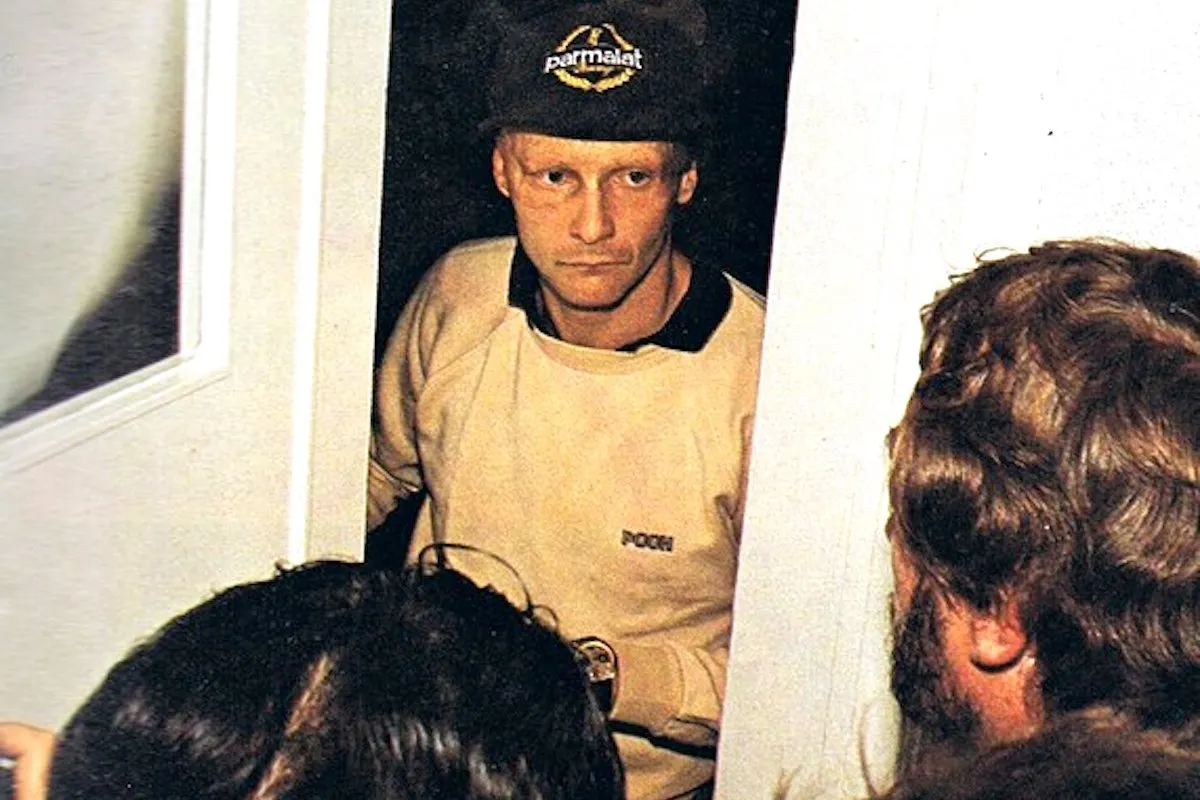
The Formula 1 drivers went on strike in 1982. And won! Given the current struggle between the FIA and the drivers, can it happen again?
A most significant event went down forty-two years ago this past weekend, and it’s of great significance for two reasons. Firstly, the 1982 F1 drivers went on strike over FIA meddling. They ultimately won their case.
Secondly, the strike was at the South African Grand Prix, which appears set for a comeback soon, as a local process to find an F1 venue closes for bids on Friday.
This excerpt from GrandPrix247 contributor Michele Lupini’s new book, South African Champion, due for release in the coming months, sets the scene of an incredible piece of Grand Prix history.
The 1981 South African Grand Prix fortnight started innocently enough with the annual test week. But controversy lay in wait leading up to the race itself, 43 years ago this past weekend.
Being the first round, Niki Lauda’s racing return was big news alongside John Watson in Ron Dennis’ all-new McLaren MP4-1 DFVs. It would not be long before the Rat was central to the headlines, however.
The F1 Drivers hired a bus...

Ever the stickler and fresh back from his year away, Lauda wasted no time voicimg his opinion. He’d noticed a few new clauses in the FISA’s Superlicence regulations, like drivers should not criticize the FISA, that they would declare their financial status, and that there’d be a minimum three-season driver contract period with their teams.
So Niki discussed his concerns with Grand Prix Drivers Association (GPDA) President Didier Pironi.
Lauda, Pironi, Gilles Villeneuve, Bruno Giacomelli, Andrea de Cesaris, and René Arnoux then refused to sign for their Superlicence on grounds of the new clauses.
In spite of signing, the rest of the drivers soon sided with the rogues. Then Pironi announced that no F1 driver would practice or race at Kyalami’s opening round South African Grand Prix until the matter was resolved.
Nobody took much notice, so the GPDA hired a bus to whisk all its F1 drivers away from Kyalami to Johannesburg’s Sunnyside Park Hotel. Hearing the news, race organizers attempted to block the bus from leaving the circuit. So Jacques Laffite hopped out, drove the offending vehicle blocking the track exit out of the way, and the drivers were soon on their way to the Sunnyside.
It was a shutdown, the F1 drivers were on strike!

The GPDA promptly occupied a hotel conference room, by when F1’s by-then-recently united FISA and FOCA bosses had made their way to the city hotel.
Pironi and Lauda flitted in and out to negotiate with FISA President Jean-Marie Balestre and Kyalami track owner Bob Hartsleif. Then FOCA boss Ecclestone suggested that the teams sue the drivers before summarily firing his Brabham drivers Piquet and Patrese on the spot!
Theodore and ATS stuck notices on their cars in the pits inviting local drivers to apply for their seats. Ecclestone announced that he had 150 drivers qualified to drive his cars. Hartslief suspended all offending drivers, team managers threatened contracts, and the circus went on.
Defiant, the GPDA requested 29 mattresses for its quarters, and the drivers closed the doors and bunkered down for the night as master pianist Elio de Angelis commandeered a piano in the corner and the lads vied for who could come up with the crudest and crassest of tales.
Only Teo Fabi broke ranks to rival driver taunts of scab.
A piano concerto, bad jokes. And a scab

Fabi and late arrival Jochen Mass practiced alone on Friday. Facing financial calamity, race organizer Hartslief finally negotiated a stay of negotiations until after the race. The bus returned to Kyalami, and Lauda and Pironi and the drivers emerged triumphantly in time for Friday afternoon practice.
Through all the drama, Marc Surer, who’d broken a leg in an earlier practice session, was replaced by Patrick Tambay. Sickened by the politics, Tambay withdrew to be replaced by Brian Henton.
F1 came under severe criticism from Emerson Fittipaldi, Mario Andretti, Alan Jones, and many others. If all that wasn’t enough, Ensign withdrew from following a writ from F2 team Maurer over a Roberto Guerrero contract conundrum.
With the race program adjusted, qualifying finally went ahead on race morning. Turbocharged cars dominated in the thin Highveld air as and pole man René Arnoux’s Renault led a turbo top six with Keke Rosberg’s Williams the fastest non-turbo runner.
Alain Prost overcame his Renault teammate to lead but suffered a blowout. He pitted and returned to hunt Arnoux, struggling on old tyres, passed him and won from Carlos Reutemann’s Williams Arnoux, Lauda, and Rosberg.
Will Kyalami’s F1 drivers’ strike remain unique?

The Kyalami F1 GPDA strike 43 years ago this week is unique in Grand Prix history. But as they say, history repeats.
Who knows how the current GPDA will deal with the present FIA’s increasingly draconian attitude on their various freedoms?
The other most interesting circumstance around the South African Grand Prix strike is that the country is in the process of preparing a government-run bid to host a Formula 1 Grand Prix for the first time since 1993 as the sport plans to return to the African continent.
The initiative led by Sports Minister Gayton McKenzie requires bits from prospective promotors to be tabled by this coming Friday, 31 January.
Several bids are expected to meet the Friday deadline…
Latest News
Loading