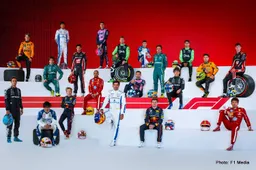
Formula 1 is one of the most popular sports on the globe. It is distinguished by its spectacular nature, unpredictable results, and the fight for every meter.
In a race at a speed of over 300 km/h, you can only win by understanding the complex system, where the success of the driver depends on dozens of variables. Talent alone behind the wheel is not enough to consistently win the Formula 1 world championship.
The final result is made up of engineering achievements, teamwork, strategy, physical and psychological preparation, as well as precise decisions in a split second. The 1xbet website allows you to follow any race in live mode, where there are always enough free broadcasts. Bets with high odds will make watching the race even more interesting.
Car class: high technology and engineering power
Without a competitive car, even the most talented pilot will not be able to fight for victories. The history of Formula 1 is full of examples when outstanding drivers found themselves behind the wheel of a car that was inferior in speed and reliability, and could not realize their potential. Technological superiority is a major factor, especially in the hybrid era, where engine power, aerodynamics, chassis, and energy management play a key role.
The championship leaders usually compete in teams with a strong technical base and large investments in development. A car capable of consistently entering the top three on different tracks is the result of the work of hundreds of engineers and analysts.
Teamwork on every lap
A driver in Formula 1 is just the tip of the iceberg. Behind his success is the entire team, including strategists, mechanics, race weekend engineers, analysts, and managers. The outcome of the next race is influenced by:
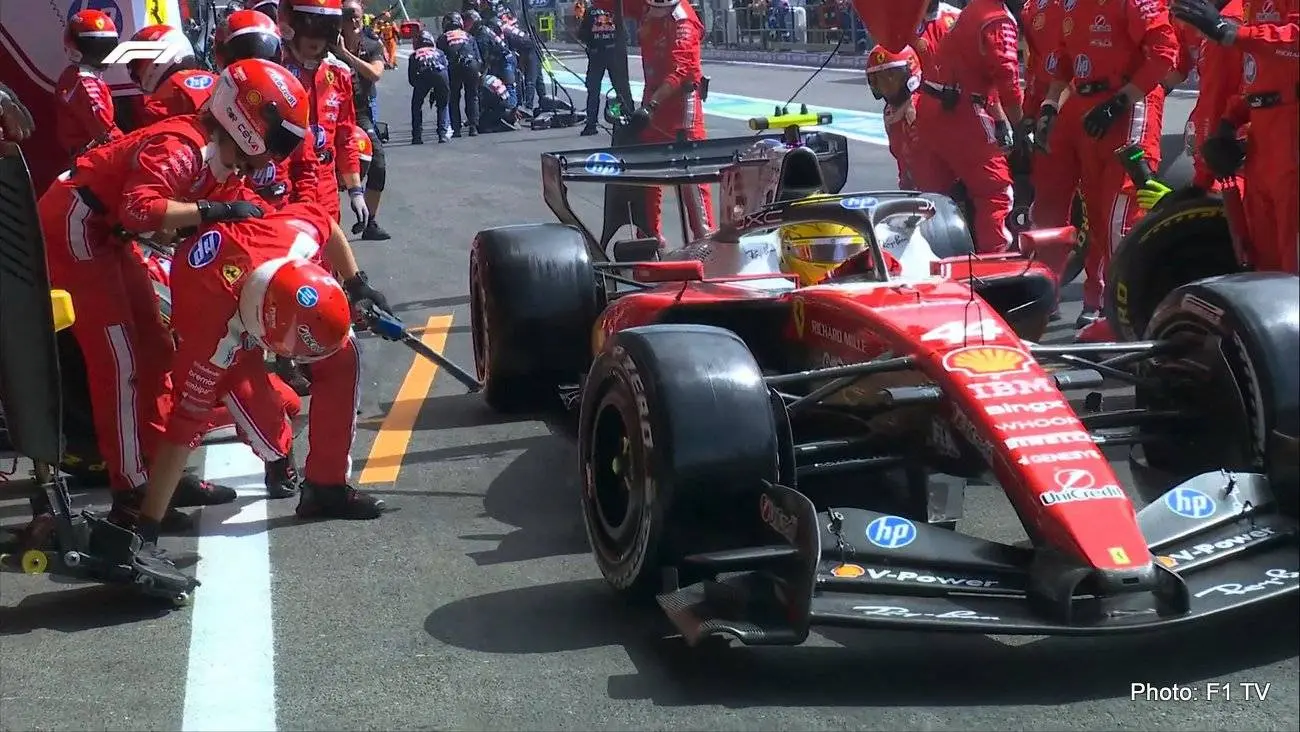
- well-coordinated pit stops;
- correctly chosen moments for changing tires;
- analysis of the weather and the behavior of rivals.
Errors in the pit lane, late tactical decisions, or ineffective communication between the driver and the race engineer can cost the victory even with excellent qualifying. Teamwork is critical, especially in changing weather conditions or accidents on the track.
The personal skill of the driver is the quintessence of success
Even the best car will not bring success without a driver with the highest level of training. Reflexes, aggression at the right moment, a fine sense of balance, and the correct distribution of resources in the race determine success. Great champions know how to find the maximum in any car, adapt to the track, surface, and external conditions.
Physical fitness plays a huge role on the race track. F1 drivers undergo many hours of training for endurance, reaction, and concentration. Psychological stability is another key component. Media pressure, competition within the team, and constant risks require composure, especially in the last laps or when attacking rivals.
Race conditions and track nature
Success in a particular race is also influenced by more situational factors, including weather conditions and track characteristics. Rain, heat, gusty winds - all these can change the behavior of the car and the level of grip. In such conditions, it is often not the fastest cars that win, but those whose drivers have better control of the car and adapt faster.
Different tracks have different requirements. The street circuits of Monaco require maximum concentration, while Monza relies on speed and aerodynamic efficiency. Some drivers are especially strong on certain circuits while showing mediocre results on others.
It is easy to see that success in Formula 1 racing does not depend only on the skill level of the driver or the quality of the car. No less important are the work of the team, strategy, weather conditions, and the ability to calculate all these parameters, choosing the ideal moment for a pit stop. Even the psychological stability of the driver will affect the result of the race. The ability to balance these parameters is what makes the car team champions.
Latest News

Loading