Why F1 Salaries are on the Rise and Show No Signs of Stopping
F1 NewsWednesday, 16 July 2025 at 01:12
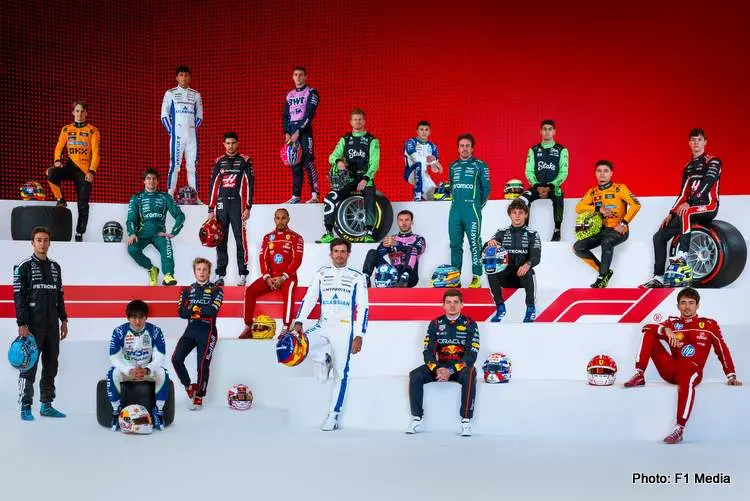
It wasn’t too long ago that Formula 1 racing was considered more of a niche sport. Now, it is a global phenomenon. And driver salaries are exploding right along with it.
This does not overstate the rise in popularity of F1 racing. Sports don’t get a Netflix docuseries if they aren’t of intense interest on an international scale. Interest in the open-wheel single-seater competition is at an all-time high. It is evident no matter where you turn.
Brands are flocking to strike partnerships with drivers and their teams. Online sportsbooks name-check F1 and certain drivers to help draw in customers, to show they are on top of the latest offerings. It doesn’t matter whether you’re reading a BetUs review or an evaluation of a much less-mainstram sportsbook. Operators are using Formula 1 as a major draw.
Then, you have the added coverage that has come with the ascent in popularity. It is basically additional marketing. More people can name drivers other than Lewis Hamilton or Max Verstappen than ever before. Even if they do not directly follow F1, most sports fans know Charles Leclerc or Fernando Alonso or Pierre Gasly or—well, you get the point.
All this additional attention makes it easier for F1 to demand lucrative brand partnerships and, equally important, media rights deals. Case in point: Formula 1 is now looking to sell a United States media package for between $150 mill and $180 million, according to The Wall Street Journal.
This is nothing if not proof of how far the sport has come. NBC was previously broadcasting races for around $4 million per year. Then, after they opted against renewing that deal, ESPN picked up the rights essentially for free.
Leverage like this extends to the drivers—well, most of them at least. Less than a decade ago, it was virtually unheard of for an F1 driver to crack the top 50 in professional athlete salaries. Now, we expect to see the top names pop up in these lists.
Yet, to that end, individual F1 salaries are more of a mystery than they are in most sports. This likely has something to do with how contracts are negotiated. They remain heavily based on incentives and performance, which can make it difficult to pin down a concrete number. Which raises the question, before we go any further: Who are the highest paid F1 drivers in 2025?
These are the Highest Paid Formula 1 Drivers in 2025

Here are the top 20 salaries for Formula 1 drivers this season, courtesy of the folks over at the Sporting News, with their team affiliation in parentheticals:
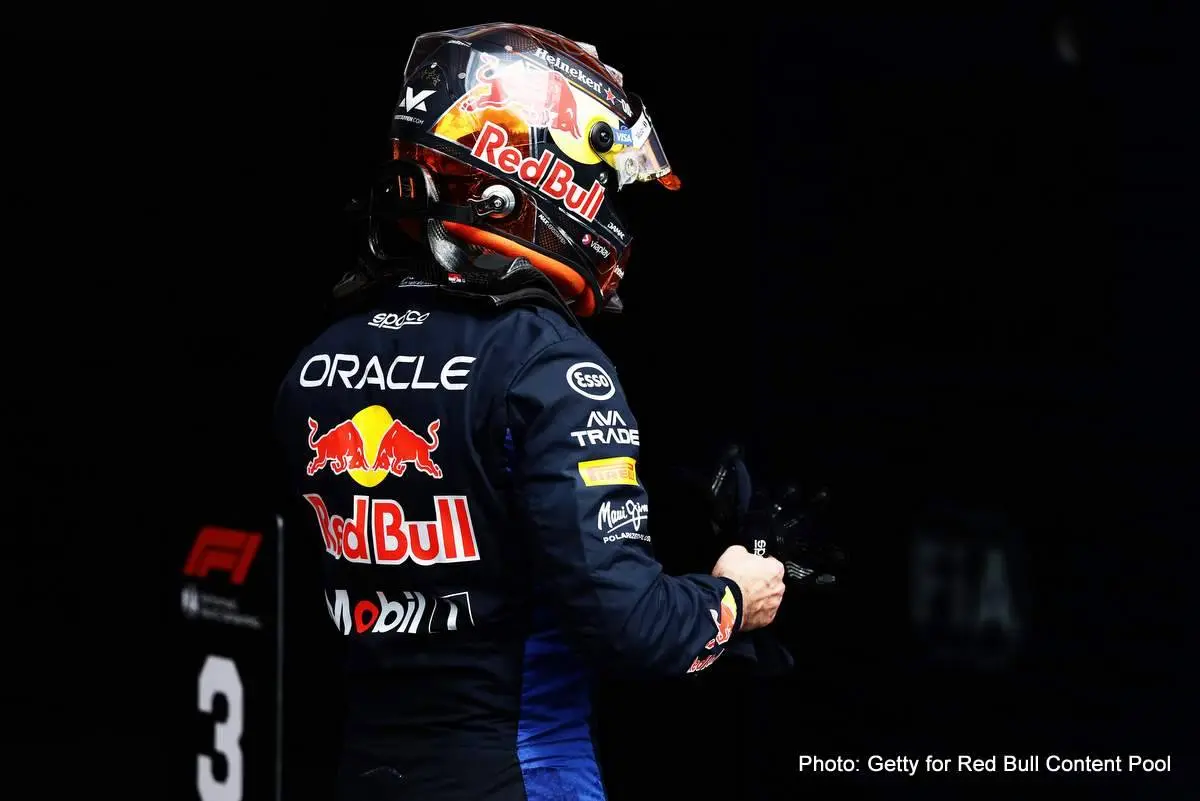
- Max Verstappen (Red Bull): $65 million
- Lewis Hamilton (Ferrari): $60 million
- Charles Leclerc (Ferrari): $34 million
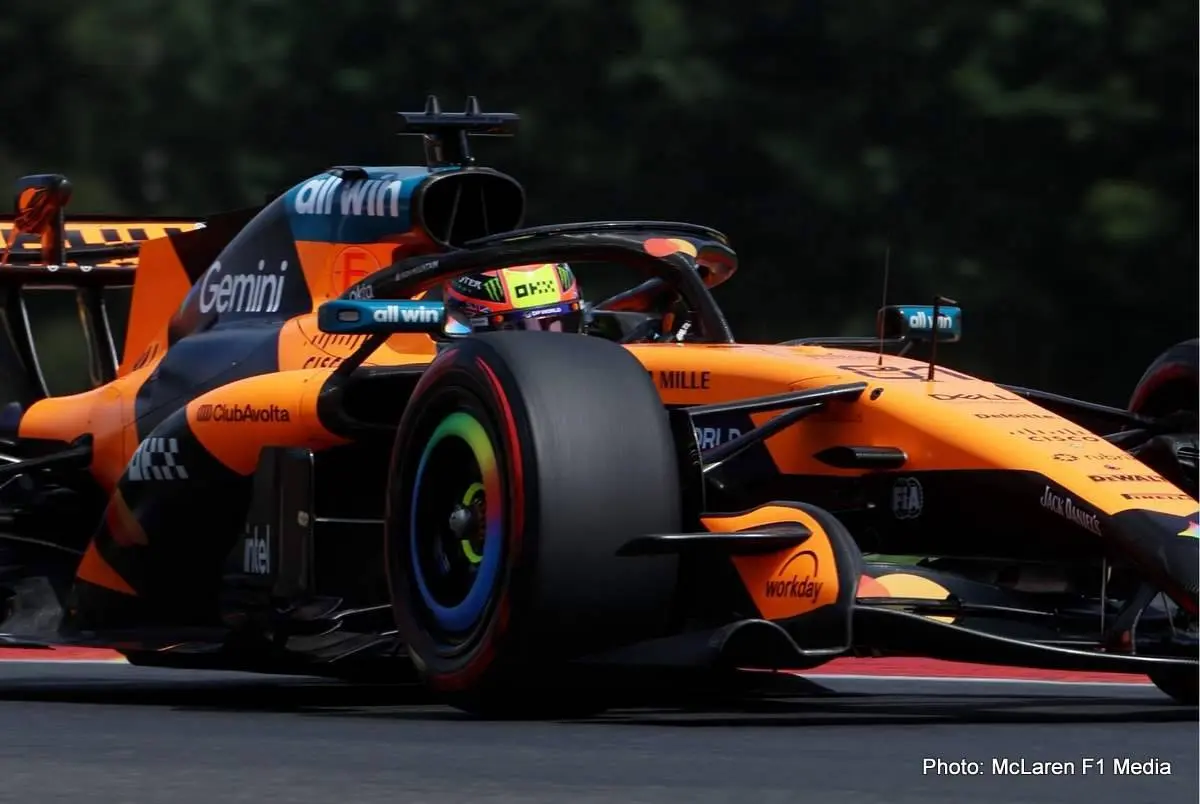
- Oscar Piastri (McLaren): $25 million
- Fernando Alonso (Aston Martin): $20 million
- Lando Norris (McLaren): $20 million
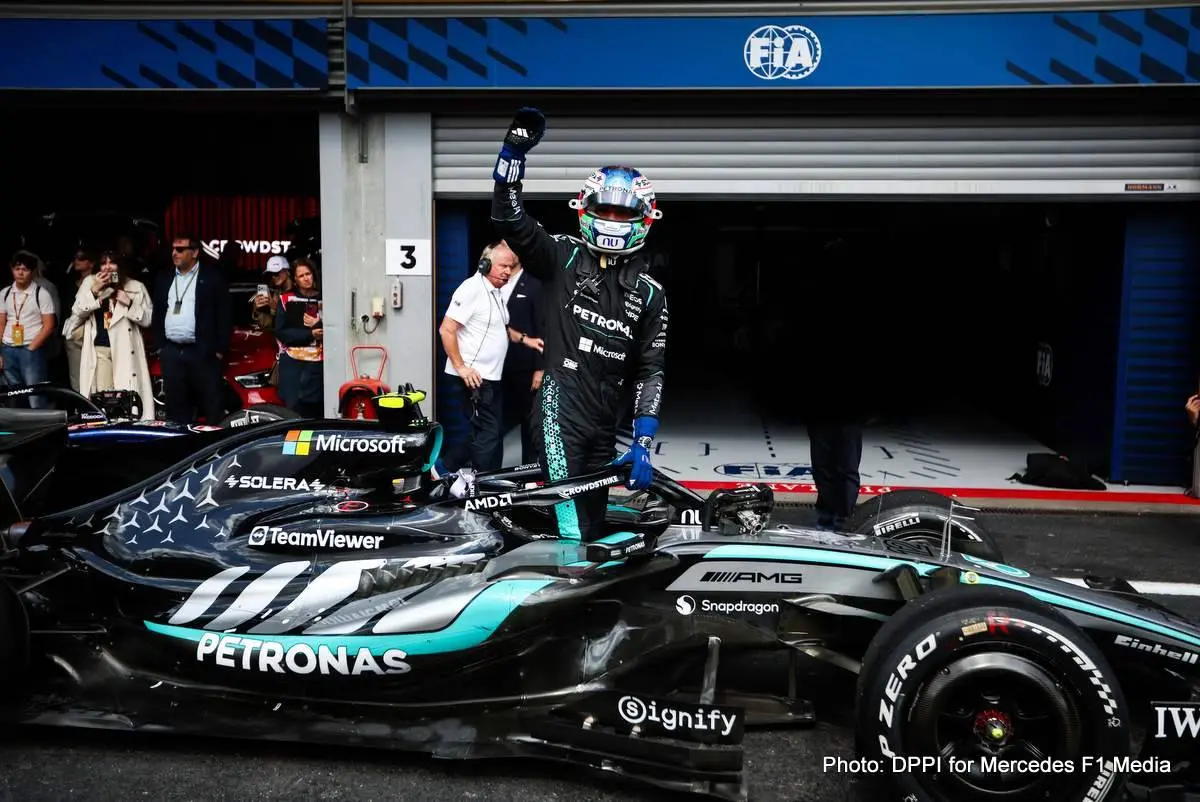
- George Russell (Mercedes): $15 million
- Carlos Sainz (Williams): $10 million
- Pierre Gasly (Alpine): $10 million
- Alex Albon (Williams): $8 million
- Nico Hulkenberg (Sauber): $7 million
- Esteban Ocon (Haas): $7 million
- Lance Stroll (Aston Martin): $3 million
- Gabriel Bortolero (Sauber): $2 million
- Yuki Tsunoda (Red Bull): $2 million
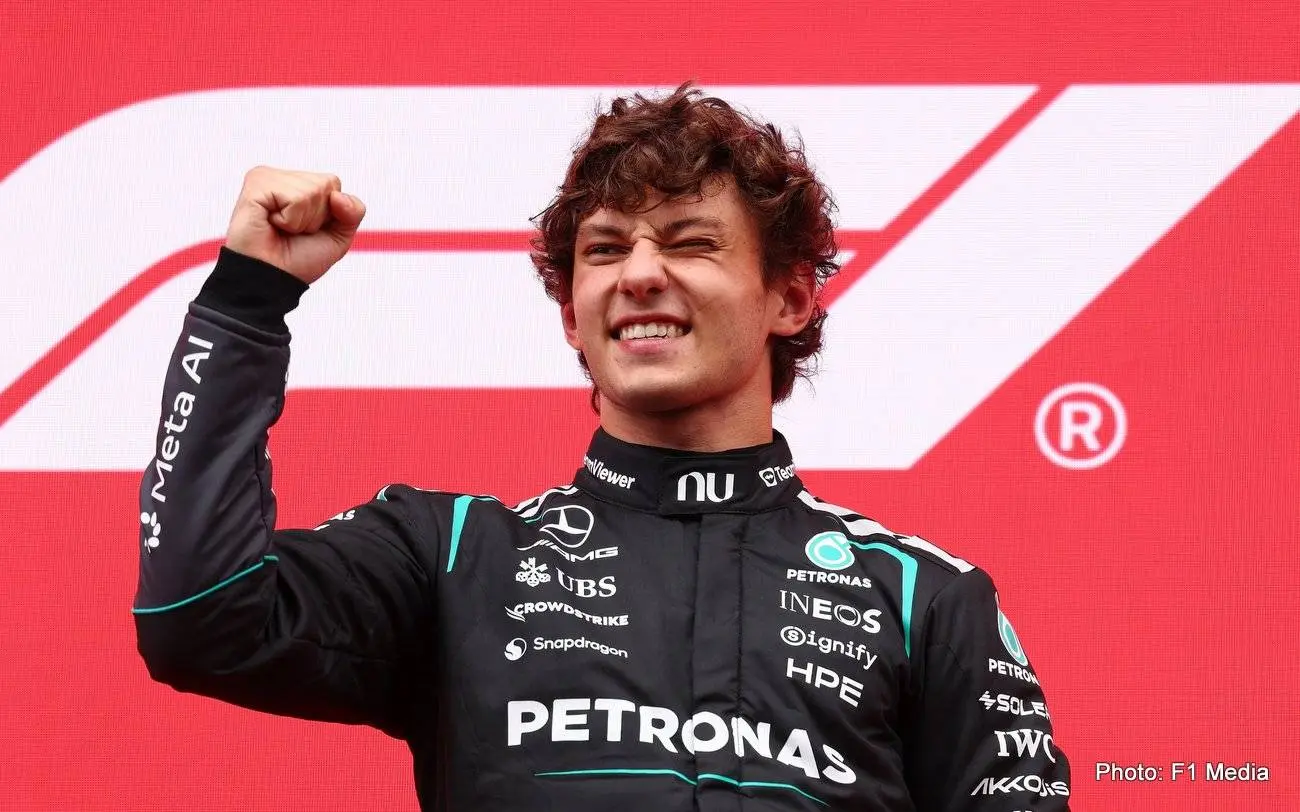
- Kimi Antonelli (Mercedes): $2 million
- Oliver Bearman (Haas): $1 million
- Liam Lawson (Racing Bulls): $1 million
- Jack Doohan (Alpine): $500,000 to $1 million
- Isack Hadjar (Racing Bulls): $500,000 to $1 million
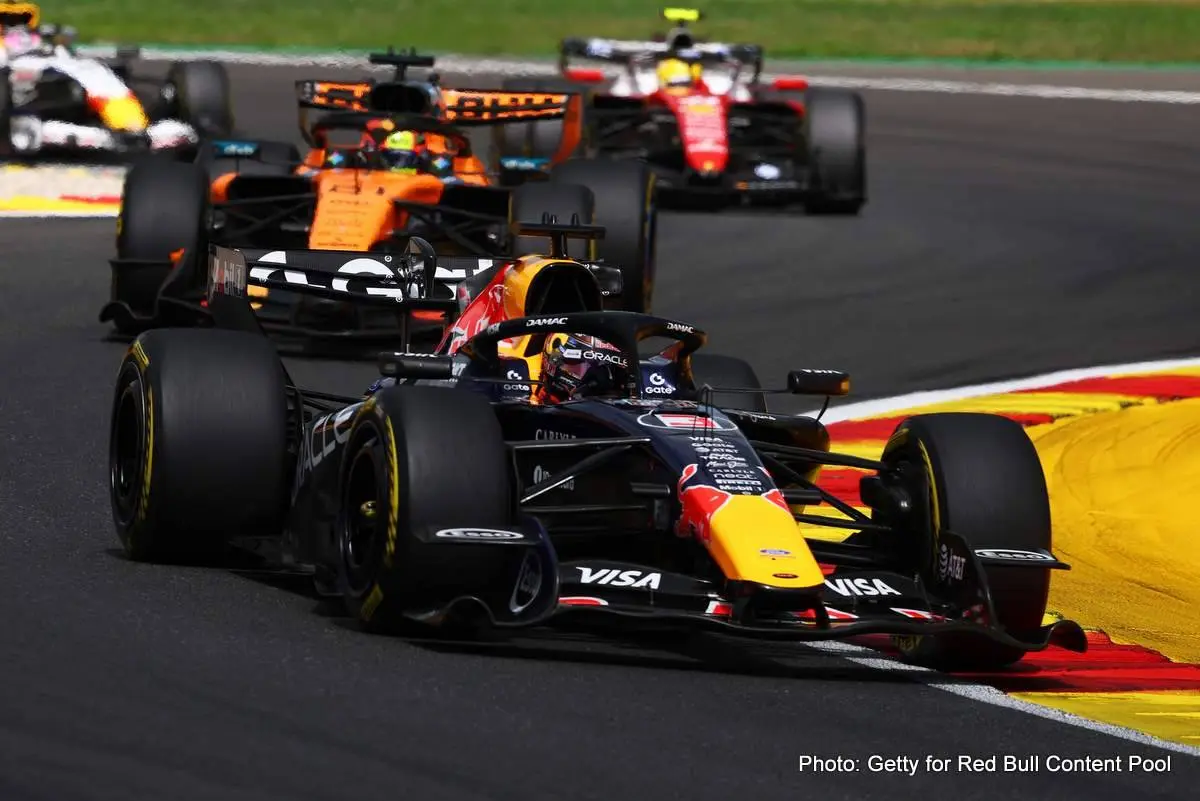
Verstappen and Hamilton stand out at the top, for obvious reasons. Hamilton is enjoying a nice bump following his switch to Ferrari, and Verstappen is perhaps the most recognizable F1 driver of all time.
There is a clear top-heaviness to the distribution. But this is true of most sports. The fact that F1 currently has 12 drivers making at least $7 million annually is a pretty big deal.
F1 Salaries Still Trail Relative to the Cream of the Crop in Other Sports

Despite recent upticks in salary, F1 still has ground to cover if they’re going to catch other athletes. Forbes compiled a list of the top-50 individual salaries among pro athletes for 2025, and only two F1 names made the list, in Verstappen and Hamilton.
This is to some extent expected. F1 only has 10 teams populated by two drivers each. That pool of 20 names isn’t all that large. Even if all of them made more money, F1 is limited in the number of athletes that can crack those top-whatever-paid lists.
At the same time, the scarcity of drivers should, in theory, lend itself loftier salaries across the board. Boxing, for instance, has three pros on the list of the top 50. That is a finite field of options at the very top, too.
However, this brings us to the next part of F1 drivers’ increased earnings: They show no signs of slowing, because the sport is on the verge of expanding.
Cadillac is Getting a Formula 1 Racing Team in 2026

Cadillac is set to become the 11th team in F1 for the 2026 season. Our guess is the expansion will not stop there, either.
Given the precipitous rise in popularity of F1 worldwide, other brands will want to join the fold. And as we see with Red Bull, these sponsorship needn’t always be inextricably tied to the auto industry.
At this rate, any luxury brand may be chomping at the bit to join the Formula 1 fray. Maybe Rolex will one day have a team. Or perhaps Gucci. The possibilities are endless when you look at the type of viewership F1 draws in these days.
In many ways, it is similar to Golf and Tennis, which generally appeal to higher-income individuals. Brands that target those demographics are willing to pony up to have their names associated with athletes (in this case, F1 drivers). Some of them, over time, may want to look at buying into F1 as an active team participant.
Expansion, meanwhile, is something F1 should welcome. Courses can handle only so many drivers, of course. But nuding up the number of participants will make it harder for talents such as Verstappen and Hamilton to run the tables for many years at a time. That type of parity appeals to fans—and, by extension, brands.
The jist of it all: Formula 1 has never been more popular, driver salaries have never been higher, and this across-the-board growth shows no signs of slowing down anytime soon.
Latest News

Loading