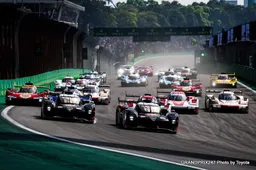
The Thrilling World of Formula 1: Speed, Strategy, and Spectacle
F1 NewsMonday, 23 September 2024 at 01:03
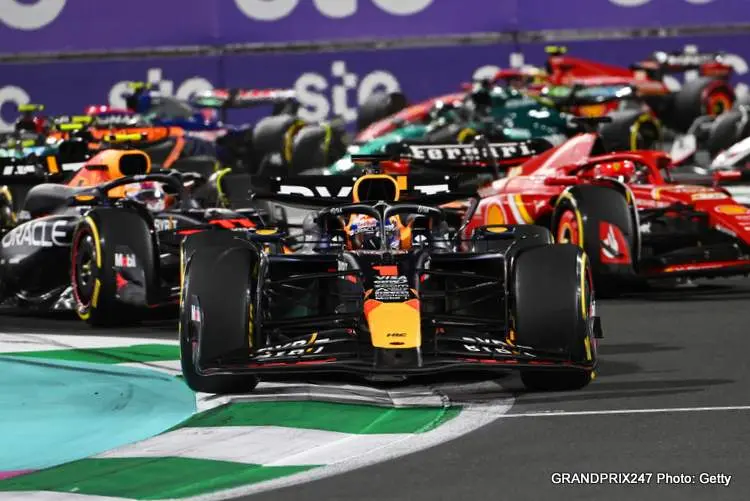
Formula 1, aka F1, stands as the pinnacle of motorsport, captivating millions of fans worldwide with its blend of cutting-edge technology, strategic brilliance, and raw human skill. This is a guide for newbies!
Since its inception in 1950, F1 has evolved into a global phenomenon, showcasing the fastest circuit-racing cars on the planet and pitting the world's best drivers against each other in a battle for supremacy.
At its core, Formula 1 is a test of both man and machine, pushing the boundaries of what's possible in automotive engineering and human performance. The sport has come a long way since its early days, with advancements in technology transforming the cars into sophisticated marvels of engineering.
Just as F1 has evolved, so too has the world of entertainment, with new forms of digital engagement emerging. For instance, online gaming platforms like the mr beast casino have brought the thrill of chance to a new generation, much like F1 brings the excitement of high-speed racing to fans around the globe.
The Structure of Formula 1
The Formula 1 World Championship consists of a series of races, known as Grands Prix, held on purpose-built circuits and street tracks across the globe. Each race weekend is a spectacle in itself, featuring practice sessions, qualifying rounds, and the main event – the Grand Prix.
The championship is divided into two categories: the Drivers' Championship and the Constructors' Championship, ensuring that both individual skill and team performance are recognized.
The Engineering Marvels

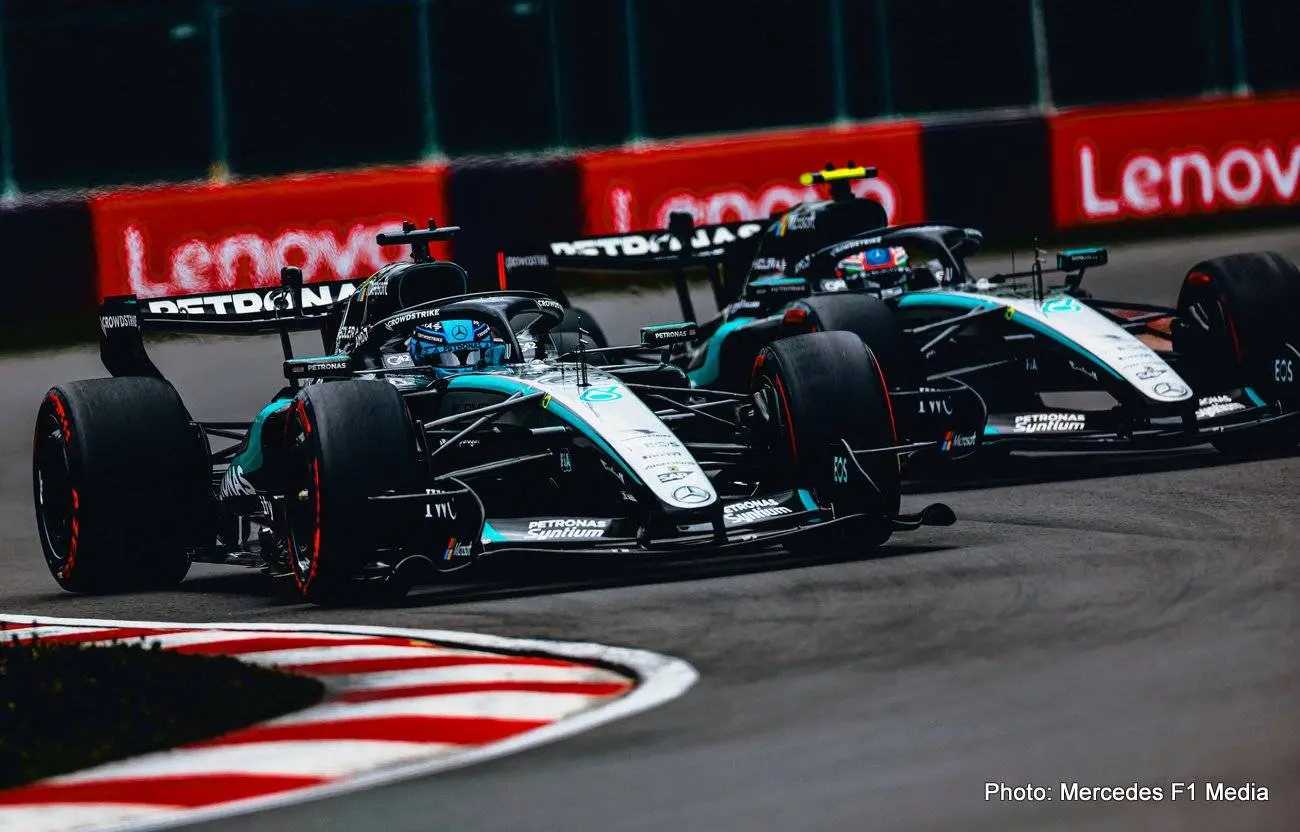
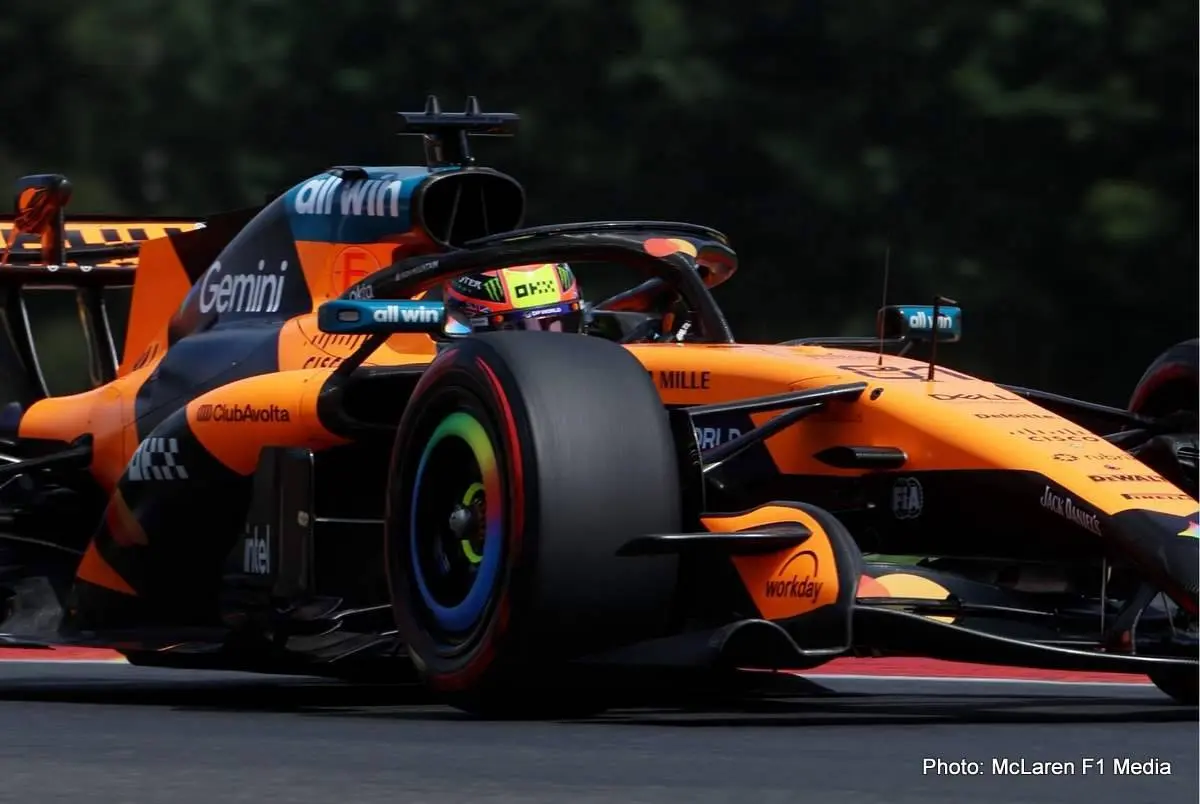
One of the most fascinating aspects of Formula 1 is the intricate dance between driver and car. The modern F1 car is a marvel of engineering, capable of reaching speeds over 200 mph and generating immense G-forces through corners. These machines are the result of countless hours of research, development, and testing, with teams constantly pushing the envelope to find even the smallest performance gains.
The Athletes Behind the Wheel
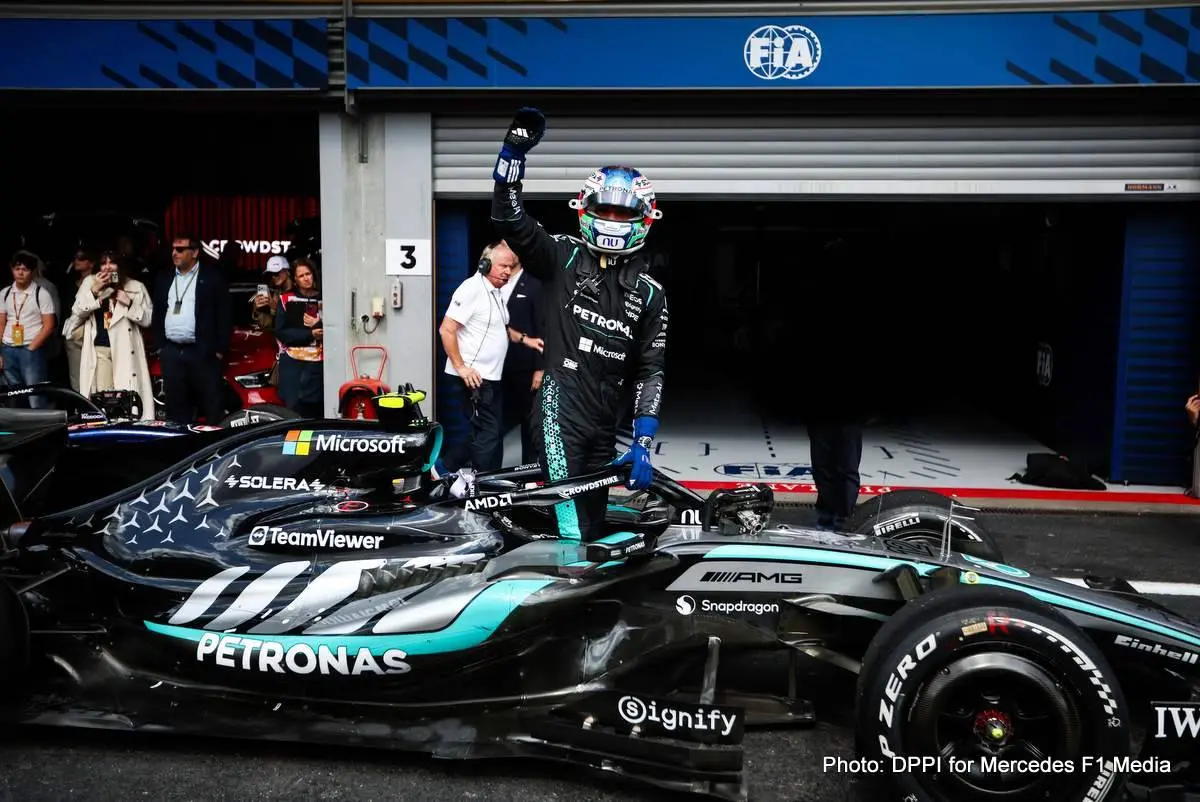
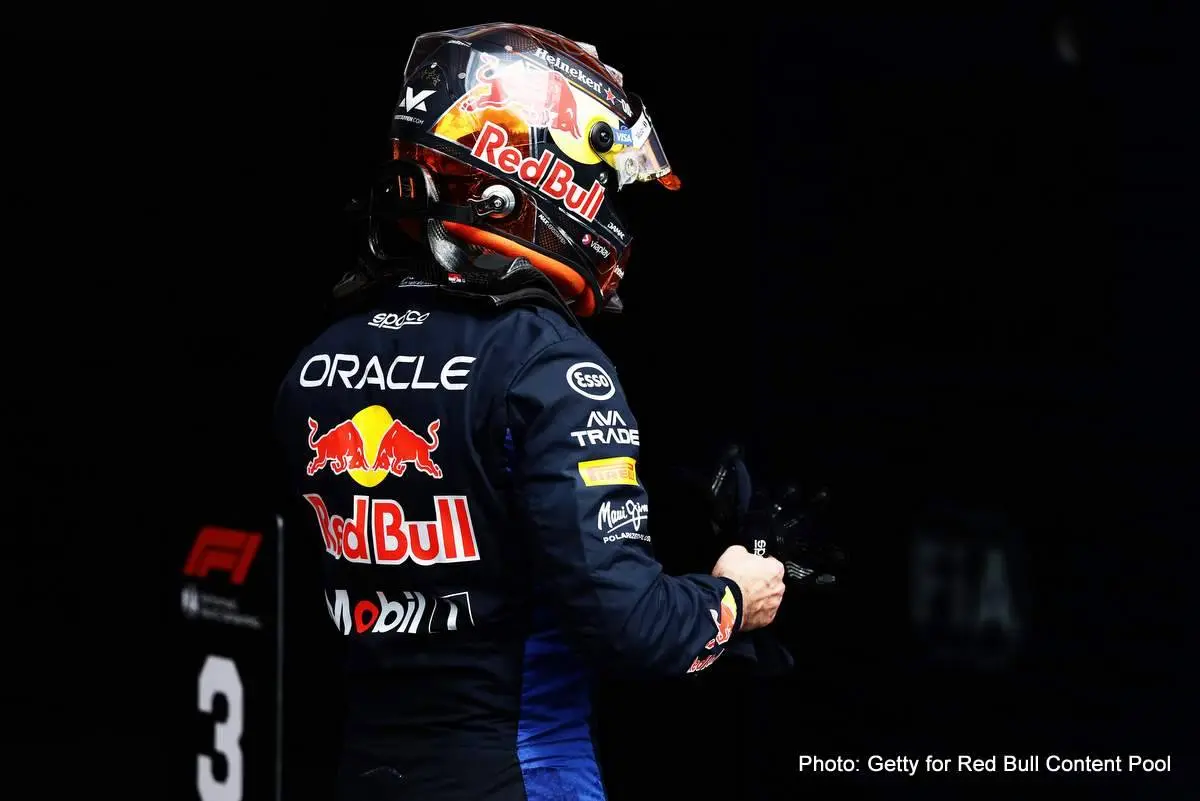
The drivers themselves are elite athletes, possessing not only exceptional driving skills but also the mental fortitude to make split-second decisions at breakneck speeds. The physical demands of piloting an F1 car are immense, with drivers experiencing G-forces comparable to fighter pilots and losing several pounds in sweat during a single race.
Strategy: More Than Just Speed
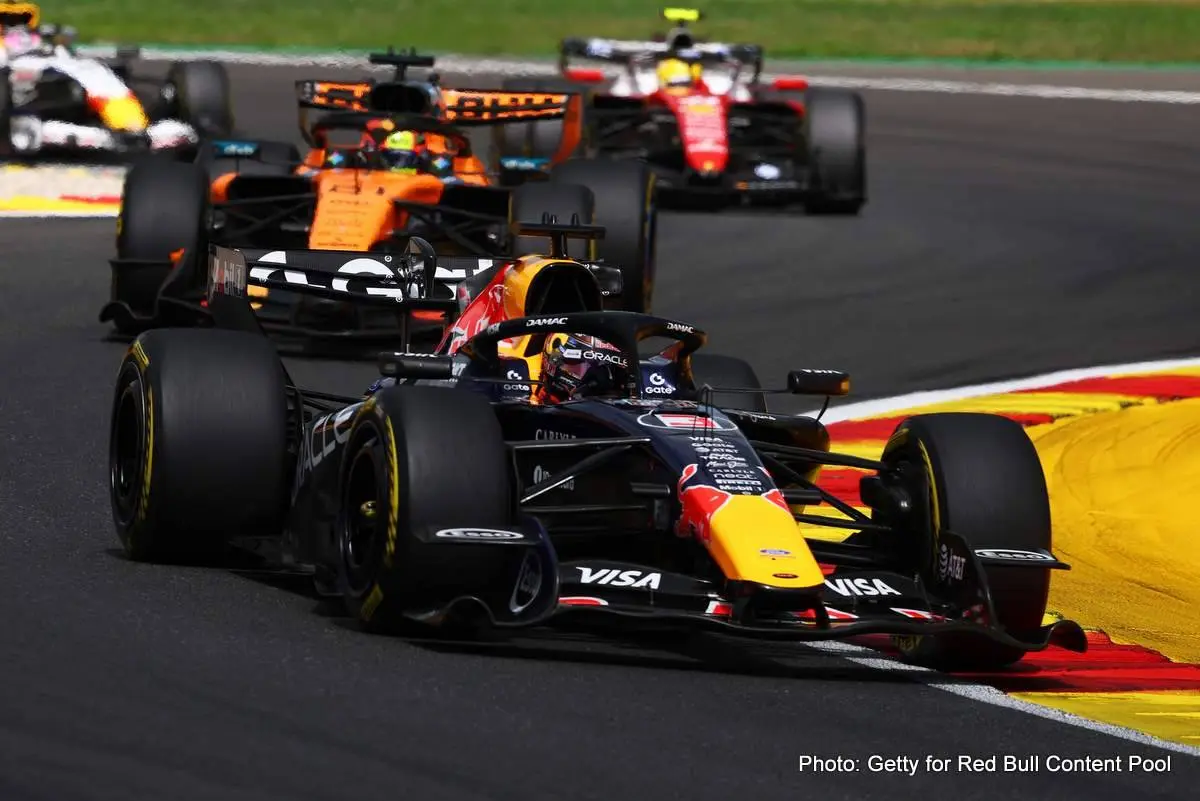
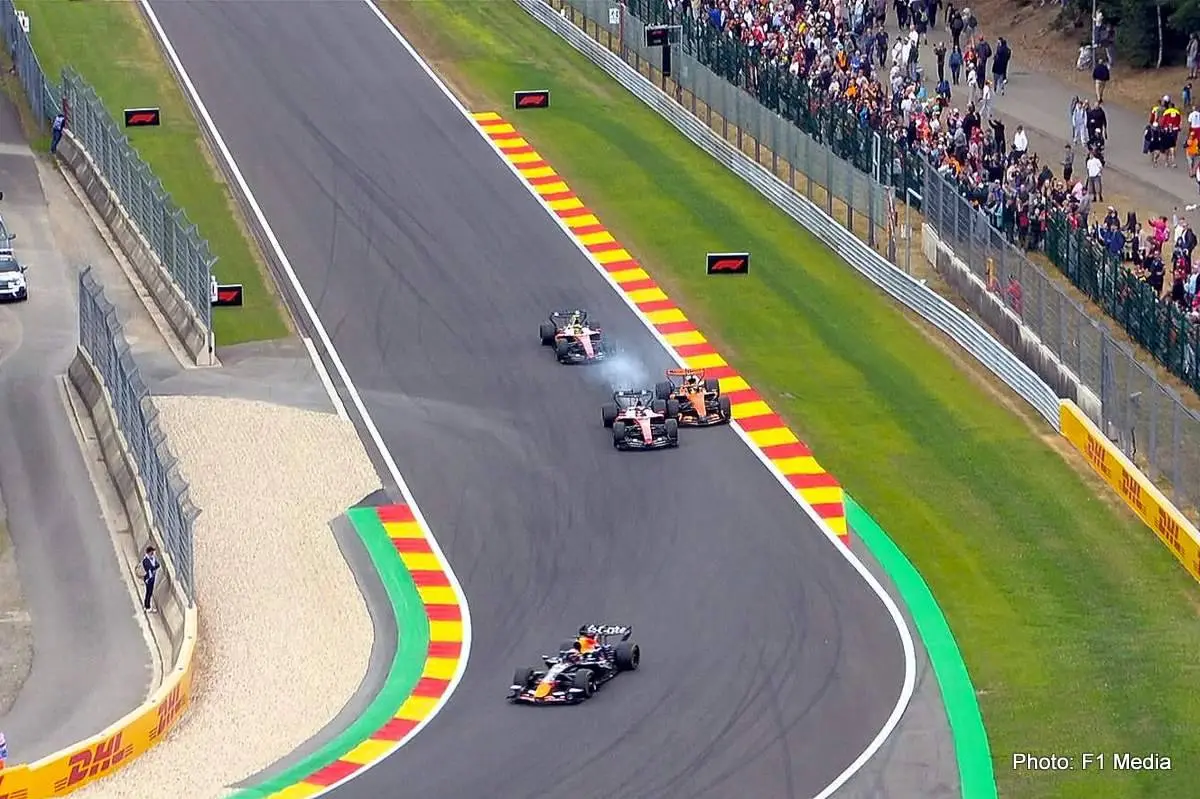
Strategy plays a crucial role in Formula 1, adding layers of complexity to what might otherwise be a simple race to the finish line. Teams must carefully manage tire wear, fuel consumption, and pit stop timing. The introduction of elements like the Drag Reduction System (DRS) and varying tire compounds has added new dimensions to race strategy, creating more opportunities for overtaking and tactical decision-making.
Legendary Drivers

The sport's rich history is dotted with legendary drivers who have left an indelible mark on Formula 1. Names like Juan Manuel Fangio, Ayrton Senna, Michael Schumacher, and Lewis Hamilton are revered not just in motorsport circles but in the wider sporting world. These drivers have pushed the limits of what's possible on four wheels, setting records and inspiring generations of racers.
A Global Phenomenon
Formula 1's global appeal is evident in its diverse calendar, which sees the championship travel to iconic venues around the world. From the glitz and glamour of Monaco to the high-speed straights of Monza, each track presents unique challenges and characteristics. The addition of new venues in emerging markets has helped expand F1's reach, bringing the sport to new audiences and cultures.
The Business Behind Racing
The business of Formula 1 is as complex and competitive as the racing itself. With budgets running into hundreds of millions of dollars, teams are constantly seeking ways to maximize their resources and gain an edge over their rivals. The introduction of budget caps in recent years aims to level the playing field and ensure the sport's long-term sustainability.
Technology Transfer: From Track to Road

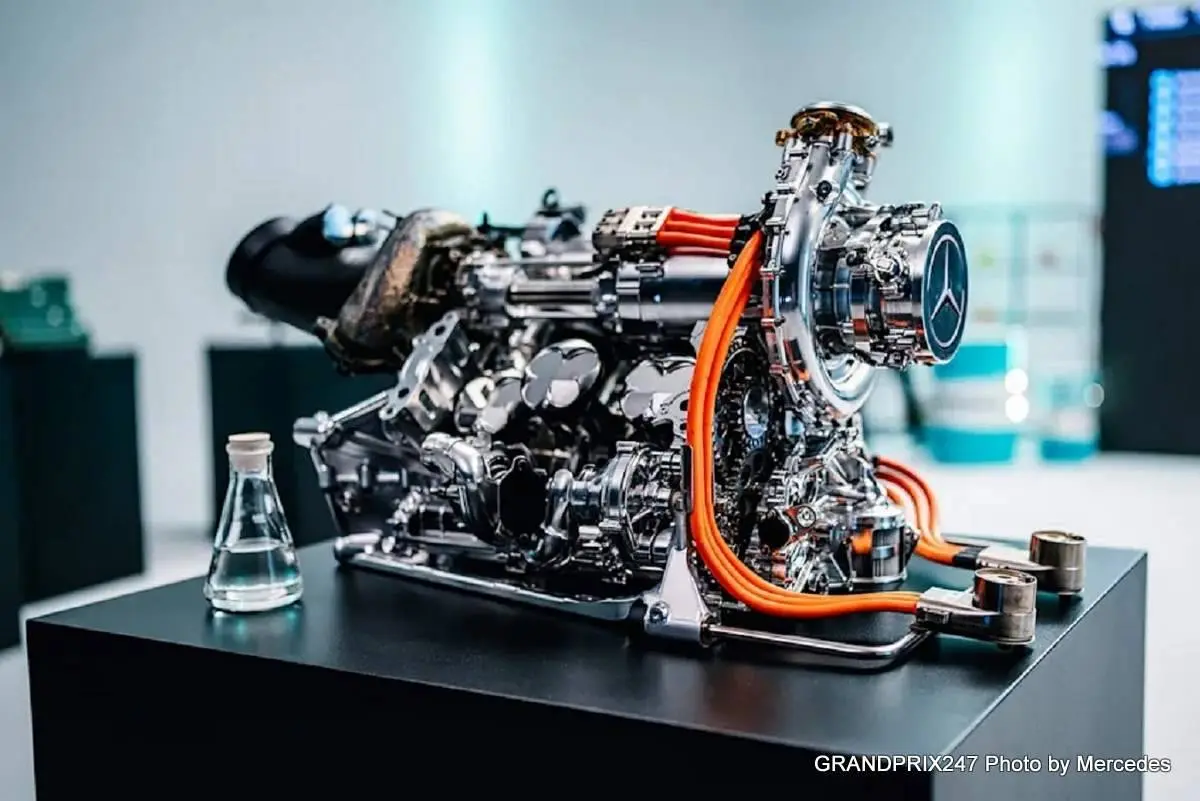
Technology transfer is another significant aspect of Formula 1. Innovations developed for F1 cars often find their way into road cars, benefiting everyday drivers. From aerodynamics to hybrid power systems, the trickle-down effect of F1 technology has played a role in shaping the automotive industry as a whole.
Embracing Sustainability
In recent years, Formula 1 has made efforts to address environmental concerns and promote sustainability. The sport has set ambitious targets to reduce its carbon footprint and has been at the forefront of developing more efficient hybrid power units. These efforts not only aim to make F1 more environmentally responsible but also to position the sport as a testbed for sustainable technologies that can benefit society at large.
Looking Ahead: The Future of F1
The future of Formula 1 looks bright, with the sport continually evolving to meet new challenges and opportunities. The introduction of new technical regulations designed to promote closer racing and reduce aerodynamic turbulence promises to shake up the competitive order and create more exciting on-track action.
Formula 1's embrace of digital media and social platforms has helped it connect with younger audiences, ensuring its relevance in the digital age. From e-sports competitions to behind-the-scenes content, F1 is finding new ways to engage fans and bring them closer to the action.
Conclusion: A Legacy That Endures

As Formula 1 moves forward, it faces the challenge of balancing its rich heritage with the need to innovate and adapt. The sport must navigate issues such as environmental sustainability, cost control, and maintaining competitive balance while preserving the core elements that make it so thrilling.
In conclusion, Formula 1 remains a unique blend of sport, technology, and spectacle. Its ability to continually reinvent itself while honoring its storied past has ensured its place as one of the world's most popular and prestigious sporting competitions.
As we look to the future, one thing is certain: the world of Formula 1 will continue to push the boundaries of what's possible—both on and off the track—captivating audiences and inspiring innovation for generations to come. The next Grand Prix for the 2024 season, Round 19 of 24, is in the USA.
Latest News

Loading