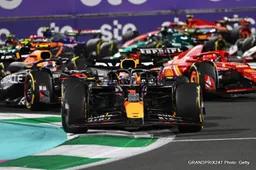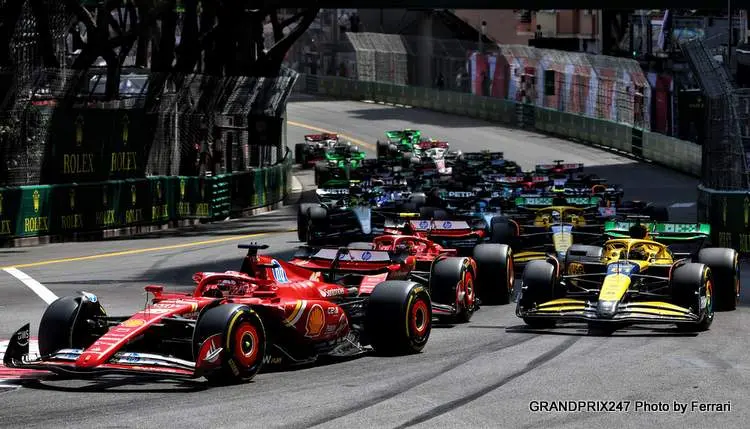
Formula 1, often referred to as the pinnacle of motorsport, is a complex and high-stakes racing series that captivates millions of fans around the world.
Dubbed the "Royal Racing" of motorsports, it’s not just about fast cars and drivers, but also a blend of cutting-edge technology, human precision, and strategic brilliance. However, for newcomers, the sport can seem impenetrable due to its intricacies.
This guide will offer a comprehensive breakdown to help you grasp the core aspects of Formula 1, providing a pathway to deeper understanding.
The Origins and Evolution of Formula 1

Formula 1, as we know it today, began on May 13, 1950, with the first official Grand Prix held at Silverstone, England. However, its roots go much deeper.
The term "Formula" refers to the set of regulations that teams and drivers must adhere to. Over the decades, these rules have evolved significantly, particularly in areas like safety, aerodynamics, and engine technology.
The sport has transitioned from the rudimentary open-wheel cars of the 1950s, which had little in the way of safety features, to the modern, ultra-sophisticated racing machines that push the limits of speed and innovation.
Each era of Formula 1 has been defined by its cars' advancements and the drivers who have mastered them. Just as Formula 1 represents a fusion of excitement and technology, fans also enjoy other forms of entertainment like Crusino Casino, adding to the thrill and excitement of competitive events.
The Format of a Formula 1 Race Weekend

A Formula 1 race weekend is more than just the main event on Sunday. It's a carefully orchestrated series of sessions designed to test both man and machine. Let’s break it down:
- Friday: Free Practice First and Second Free Practices (FP1 and FP2): These are hour-long sessions where drivers get the chance to familiarize themselves with the track, and teams can collect critical data on car performance. This includes tire degradation, fuel consumption, and aerodynamics.
- Saturday: Qualifying and Free Practice 3 (FP3): The final practice session helps teams fine-tune their setups based on the data gathered from Friday.
Qualifying: The qualifying session determines the starting positions for the race. It's divided into three segments (Q1, Q2, and Q3), where the slowest drivers are eliminated in each round. The fastest driver in Q3 earns pole position, starting the race at the front of the grid. - Sunday: Race Day. The Grand Prix: This is the main event, where drivers compete over a predetermined number of laps to secure as many points as possible for both the Drivers' and Constructors' Championships. The winner is the driver who crosses the finish line first after the prescribed distance.
Since 2021, some race weekends have also included a Sprint Race on Saturdays, which is a shorter race determining the grid positions for Sunday's main event. This adds an additional layer of excitement and strategic complexity.
Points System and Championship Titles

Formula 1 operates on a points-based system that rewards consistency and excellence across the season. The top ten finishers in each race are awarded points, with the winner receiving 25 points, second place 18, and so on down to 1 point for 10th place. Additionally, 1 point is awarded to the driver who sets the fastest lap, provided they finish in the top 10.
At the end of the season, the driver with the most points is crowned the World Champion. There is also a Constructors' Championship, where points accumulated by both drivers in a team contribute to the team's total score.
The Teams: The Heart of Formula 1

One of the unique aspects of Formula 1 is its reliance on teams rather than just individual drivers. Each team designs and builds its own car, adhering to the sport's technical regulations. Here are some of the most iconic teams:
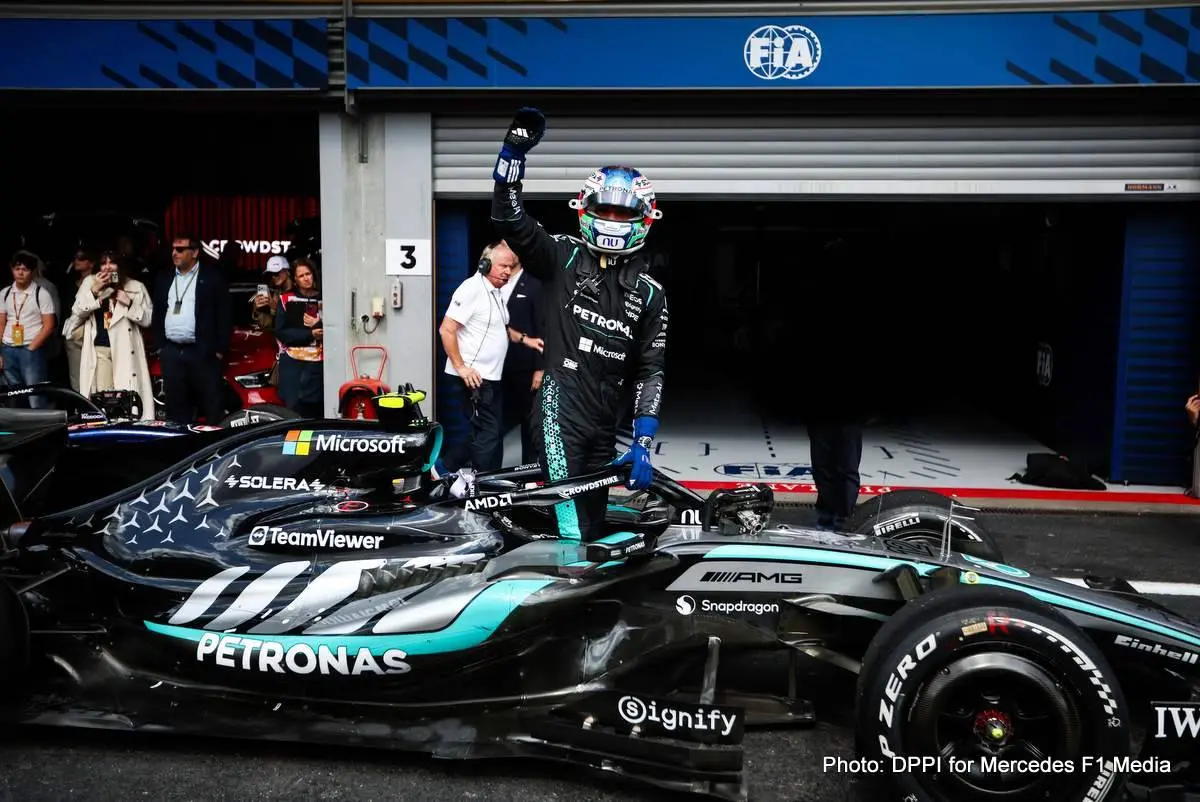
- Mercedes-AMG Petronas Formula One Team - has been the dominant force in Formula 1 from 2014 to 2021, winning seven consecutive Constructors' Championships. Known for their powerful hybrid engines and aerodynamic prowess, their success was largely driven by legendary drivers like Sir Lewis Hamilton, who has won seven world titles.
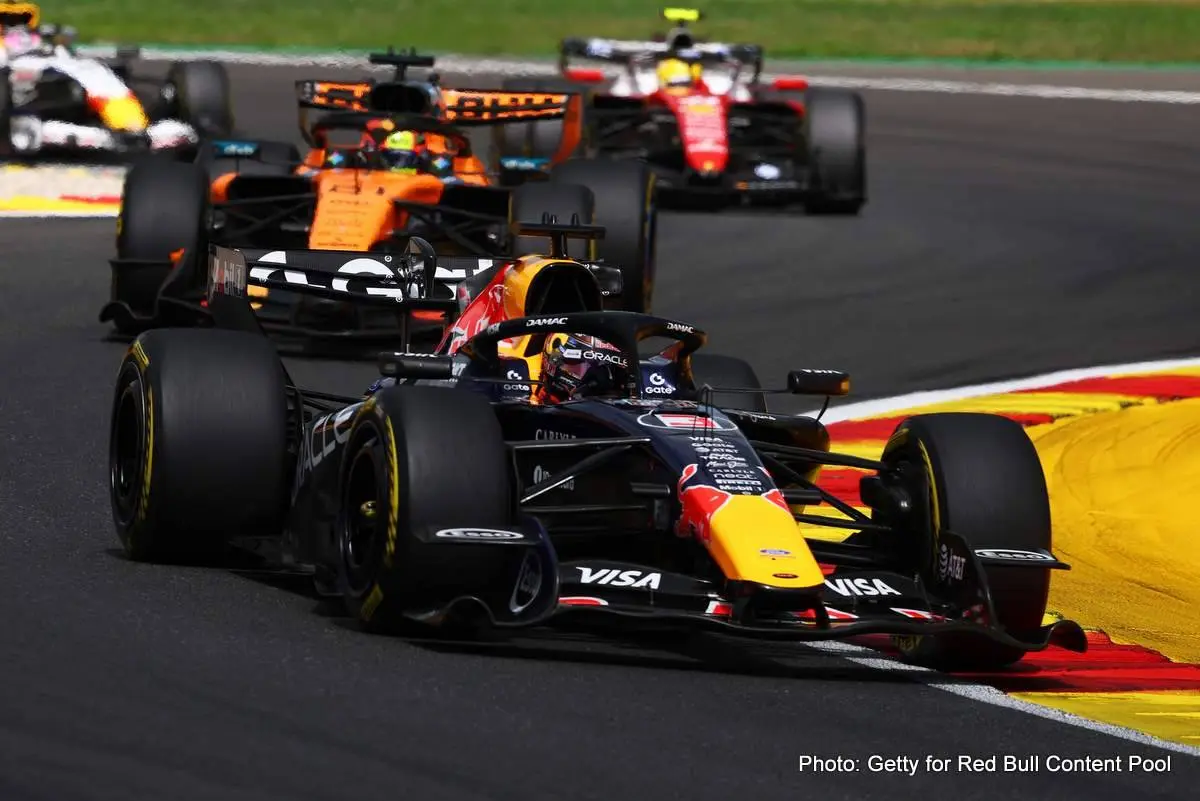
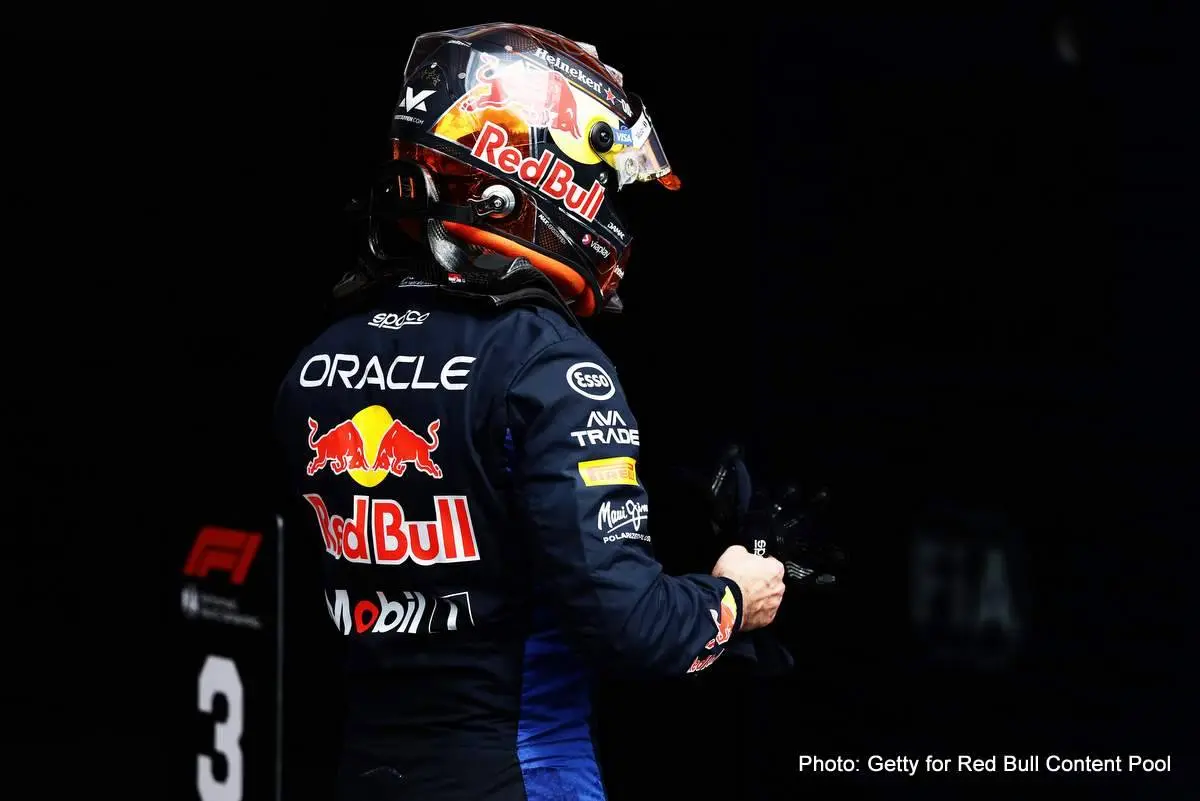
- Red Bull Racing - Red Bull burst onto the scene in the mid-2000s and quickly became one of the sport's top teams. They dominated the early 2010s with Sebastian Vettel, and more recently with Max Verstappen, who won the 2021 and 2022 World Championships.
- Scuderia Ferrari - The oldest and most successful team in Formula 1, Ferrari has been racing since 1950. With 16 Constructors' Championships and a legacy that includes legendary drivers like Michael Schumacher, Ferrari remains a fan favorite, though they have struggled to maintain their former dominance.
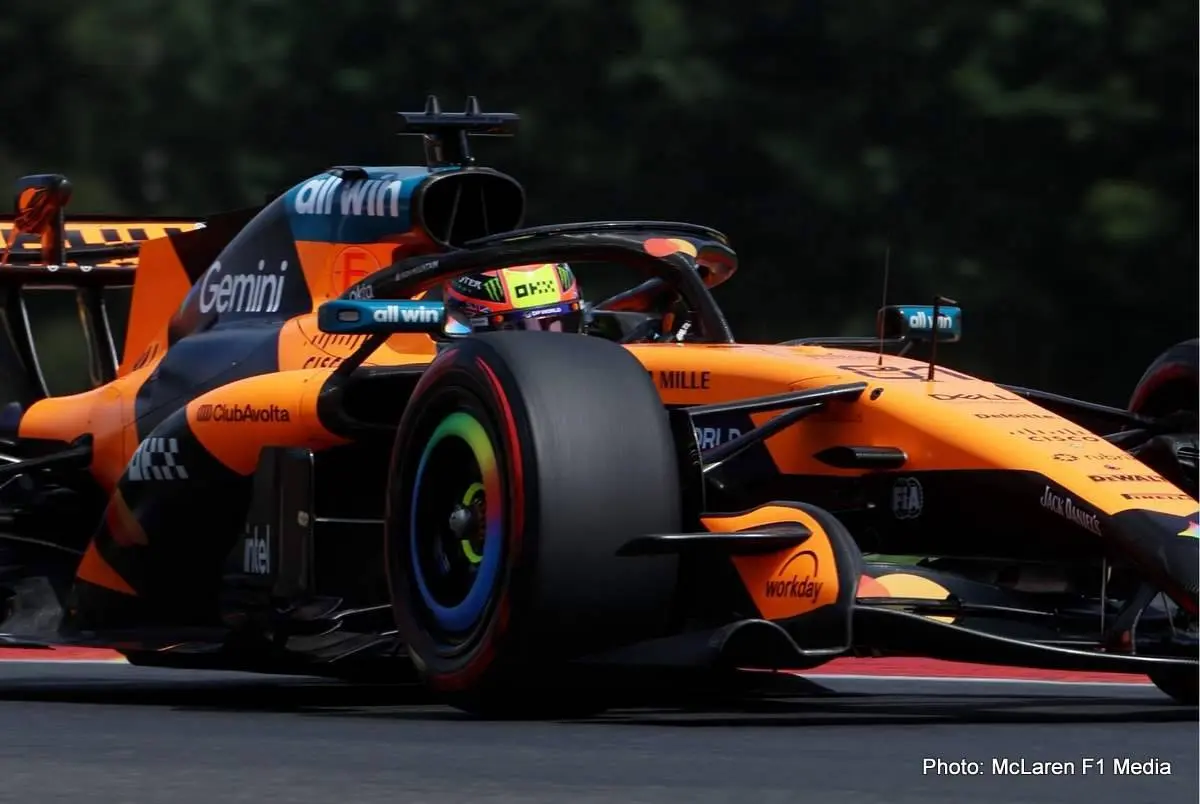
- McLaren - has a storied history in the sport, with iconic drivers like Ayrton Senna and Alain Prost. Though they have not won a championship since 2008, McLaren continues to be one of the most competitive teams in the midfield.
- Aston Martin, Alpine, and Others - Teams like Aston Martin, Alpine, and Williams each bring their unique storylines and innovations to the sport. While not always competing for wins, these teams contribute to the dynamic and unpredictable nature of Formula 1.
The Role of Drivers

While teams are essential, Formula 1 is still a driver-centric sport. The best drivers combine exceptional talent, sharp reflexes, and the mental strength to handle the pressure of competing at over 200 mph. Some drivers are legends in their own right:
- Lewis Hamilton: The British driver holds the record for the most race wins and is tied with Michael Schumacher for the most championships (7).
- Max Verstappen: Known for his aggressive driving style and raw speed, Verstappen is seen as one of the new stars of the sport.
- Fernando Alonso: A two-time world champion, Alonso is renowned for his tactical brilliance and racecraft, competing at the highest level even into his 40s.
The Technology Behind Formula 1

At its core, Formula 1 is a technological arms race. Teams spend hundreds of millions of dollars each season developing the most sophisticated racing machines in the world. Every element of a Formula 1 car is optimized for speed and efficiency, from the aerodynamics to the engine and suspension.
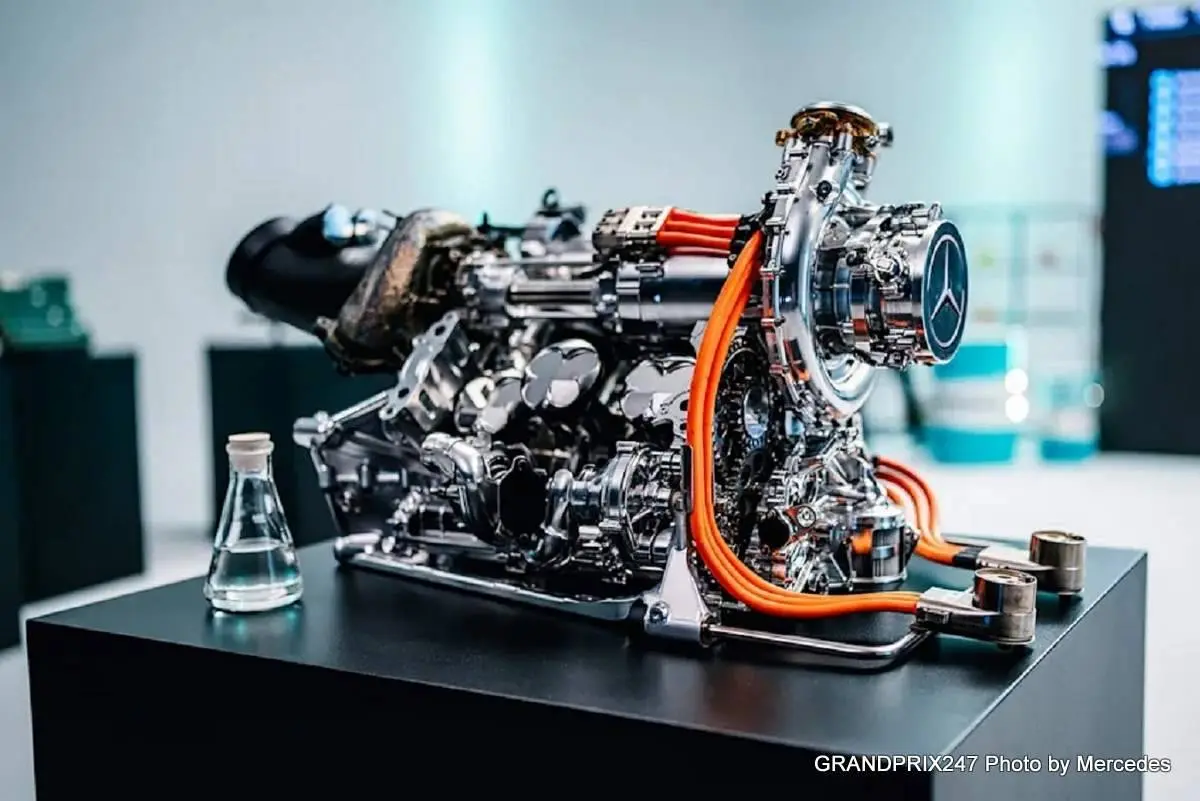
- Engines: Modern Formula 1 cars use hybrid power units that combine a traditional internal combustion engine with electrical components. These engines are marvels of efficiency, generating over 1,000 horsepower while being limited to 1.6 liters of displacement.
- Aerodynamics: Aerodynamics play a crucial role in determining a car’s performance. The shape of the car's body is designed to reduce drag and increase downforce, allowing the car to maintain grip at high speeds through corners. This includes complex elements like front and rear wings, diffusers, and floor designs.
- Tires: Formula 1 races are heavily influenced by tire strategy. Pirelli, the sole tire supplier, provides teams with different compounds that vary in durability and performance. Managing tire wear and making the right strategic decisions regarding pit stops can make or break a race.
Safety Innovations in Formula 1

Formula 1 has seen some of the most tragic moments in motorsport history, including the deaths of legendary drivers like Ayrton Senna. However, these tragedies have also spurred the sport to become a leader in safety innovation.
- The Halo Device: One of the most significant safety innovations in recent years, the halo is a titanium structure that protects drivers from flying debris and serious head injuries during accidents. It has already saved lives since its introduction in 2018.
- Crash Testing: Every Formula 1 car undergoes rigorous crash tests before it is allowed to race. These tests ensure that the car’s structure can withstand high-speed impacts, protecting the driver.
Formula 1 is far more than just a motorsport

F1 is a dynamic blend of engineering marvel, strategic depth, and human excellence that has captivated fans for decades. The more you delve into its world, the more you uncover layers of complexity that make it one of the most exciting and sophisticated sporting events in existence.
From the constant technological evolution of the cars to the intense rivalries and the split-second decisions that define races, Formula 1 offers a thrilling spectacle like no other sport.
What makes Formula 1 so special is its unique combination of precision and unpredictability. While teams invest heavily in cutting-edge technology and rigorous planning, the outcome of any race can be turned upside down in a matter of moments due to weather conditions, technical failures, or driver errors. This constant push and pull between control and chaos is what keeps fans on the edge of their seats, race after race.
Conclusion

For fans, whether they support legendary teams like Ferrari or McLaren, or follow the new generation of stars like Max Verstappen and Charles Leclerc, Formula 1 offers not just competition, but a story that unfolds over an entire season.
Every race is a chapter, and each season tells the tale of triumph, defeat, and sometimes heartbreak. The battle for the Constructors’ and Drivers’ Championships is more than just a points tally—it represents months of dedication, innovation, and resilience.
Moreover, Formula 1 is also a testament to human ingenuity and the relentless pursuit of perfection. The technological advancements in safety, aerodynamics, and hybrid engines have made the sport not only faster but also safer, setting a global standard in automotive engineering.
Latest News



Loading