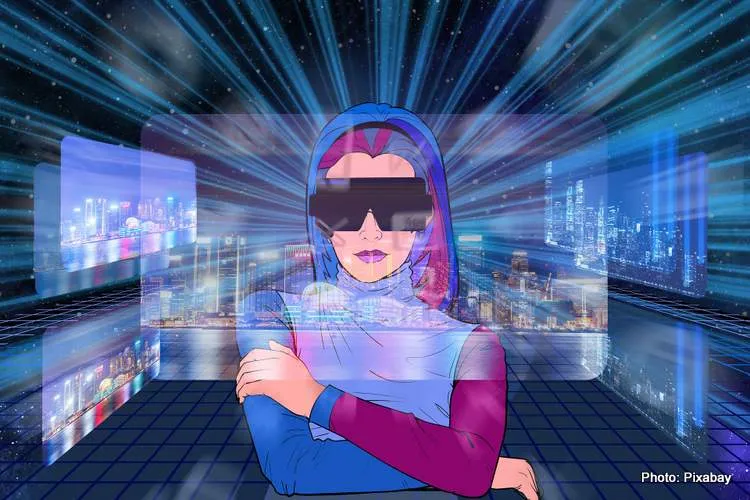
Diversity and inclusivity should thrive in video games and gaming, where virtual worlds are created from the ground up, and imagination is unrestricted.
However, a deeper look exposes a depressing truth: there are still visible problems with female underrepresentation and misrepresentation in the business.
It is true that the number of games that allow you to either control characters of multiple genders or select the gender of your hero character, as seen in some casino gaming platforms like the Icecasino, where you are allowed to choose from different themed slot games with a mix of female/male protagonist themes, dramatically exceeds the number of games that have protagonists who are male or female. Of course, it's a positive trend overall that you can select or develop your persona.
That is not the same as being requested by a game to assume the role and experiences of a particular character. This guest post explores the various variables that lead to women's marginalization in video games and the consequences of this imbalance, delving into the complex causes of this disparity.
Brief Details on Gender Representation in Video Games
One word sums up gender representation in online games: stereotypical. Females are oversexualized, while males are overly macho. It's critical to consider male characters to comprehend how female characters are portrayed and understand their opposition. Male characters are portrayed as too muscular, violent, and aggressive. They must possess the physical and sexual attributes of an alpha man, which entails being solid and aggressive.
"Real men" conform to these social norms and standards. Manly traits are associated with violence. Furthermore, "real men" are required to remain emotionless and stoic at all times. The "alpha male" stereotype in video games is embodied by how masculine characters are portrayed; they frequently have massive armor on, sometimes twice as big as their bodies, and striking, generally out-of-proportion weaponry. However, compared to feminine stereotypes, masculine stereotypes are frequently perceived more favorably.
Women are shown as weak and overly sexualized, in contrast to men, who are seen as powerful and violent. Rather than highlighting their personality, their outfits draw attention to their physique. They frequently have a sensual, slender figure and are partially nude and ill-fitted for the tasks they have to accomplish due to their clothing. The majority of female characters wear swimsuits or exposed backs and have prominent breasts, accentuated butts, and provocative clothing.
Breaking the Mold: Challenges Faced by Female Protagonists
Video gaming is a significant source of reinforcement for anti-women attitudes and actions. Therefore, it is crucial to look into the representation of women in these media to raise awareness about the violence and objectification that many gaming creations contain and to help shape the rules and policies governing sales. Let’s walk through some of these challenges:
- Stereotypical Illustrations;
- Restricted Protagonist Positions;
- The Absence of Developmental Representation;
- Toxic Environment and Mistreatment;
- Impractical Body Ideals.
Stereotypical Illustrations
Creators usually confine females to clichéd roles, reinforcing limited and frequently false representations of them. Depth and complexity are sometimes lacking in female representation, ranging from hypersexualized figures created purely for titillation to the damsel in distress cliché. In addition to failing to represent the variety of experiences that women have, these cliched depictions often feed negative preconceptions and outdated ideas about gender roles.
Restricted Protagonist Positions
In video gaming, male characters usually play the lead role, yet female protagonists are still uncommon. When female characters take on prominent roles, they frequently come under increased scrutiny and demands, with some arguing that their stories aren't as marketable or accessible as they could be. This imbalance in protagonist roles reflects a systemic bias that limits the possibilities for varied storytelling and makes it harder for women to be represented as strong, complex people.
The Absence of Developmental Representation
Beyond the characters on screen, there needs to be more females on the development teams that create the games. Because male creators have historically controlled the game industry, few varied viewpoints are present during the creative process. When there is insufficient female presence in development teams, male viewpoints frequently influence how women are portrayed in online gaming, reinforcing stereotypes and keeping a distance from real-life experiences.
Toxic Environment and Mistreatment
Whether they are developers, streamers, or content creators, women in the gaming industry frequently experience disproportionately high rates of harassment and discrimination. Women who want to work in the industry are discouraged by the abundance of hostile online groups and abuse. In addition to impeding women's career advancement, this unfriendly environment helps to keep damaging preconceptions and discriminatory practices alive within the gaming community.
Impractical Body Ideals
Gaming that features a lot of hypersexualized and idealized female bodies contributes to the objectification of females and the maintenance of unattainable beauty standards. In addition to failing to represent the diversity of real women, characters with exaggerated dimensions and skimpy clothing also help to normalize unrealistic body images. This emphasis on outward looks rather than character complexity further marginalizes women in the gaming industry and perpetuates that their worth is mainly derived from their physical characteristics.
Levelling Up: Empowering Women’s Voices in Video Gaming
It appears that females are primarily portrayed negatively in video games. The majority of them are secondary characters who are overly sexualized. The complicated difficulties surrounding the misrepresentation and underrepresentation of women are founded on cultural norms and institutional biases within the industry.
It will take a dedicated effort to dispel myths, encourage diversity in development teams, and create welcoming gaming communities to address these discrepancies.
The gaming industry can advance towards a future where women are not just appropriately represented but also appreciated for their contributions to gaming culture by supporting accurate representation and welcoming varied narratives.
Latest News









Loading