AI in Transportation: Autonomous Vehicles & Traffic Management
F1 NewsWednesday, 22 May 2024 at 00:44
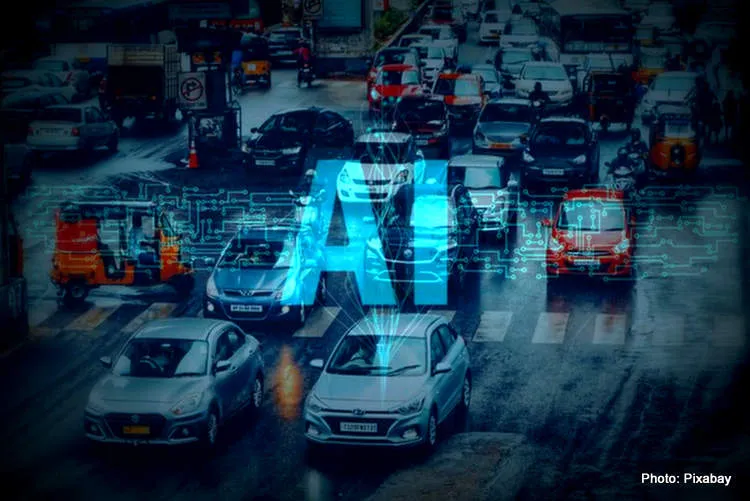
The transportation sector has seen several stages of development and various kinds of trials, studies, and research. Think back to when the only modes of transportation that people were familiar with were steamboats, bicycles, and cars - now there's Artificial Intelligence.
Unprecedented advances in transit have resulted from the use of AI to the point that vehicles can now navigate the highways without human assistance. Technological developments have had a major influence on innovation in the sector. As of right now, significant advancements in transportation have been made possible by the application of artificial intelligence.
It’s funny how this technology transforms diverse industries. For instance, just as AI optimizes traffic flow and improves road safety, the Ice Casino uses state-of-the-art algorithms to optimize gaming experiences, guaranteeing smooth navigation and increasing user pleasure in the online gambling industry.
In this report for our Formula 1 readers who are interested in this subject, we will learn more about AI's applications in the sector.
Artificial Intelligence (AI) Transforming Intelligent Traffic Management Systems
Autonomous vehicles are becoming increasingly popular, according to the use cases of artificial intelligence for changing the sector. Nonetheless, the responses to the question "How is AI used in transportation?" highlight more intelligent approaches to road control.
The solutions can optimize traffic using digital twins, machine learning, and prediction models. Prediction models are used in the overview of AI in transportation examples for planning. The models can use real-time and historical data on commute times, traffic flow, and congestion levels for accurate and dependable forecasts.
Drivers may use AI-powered navigation apps to alter how they obtain directions while driving. The apps can use real-time traffic data from several sources, including GPS signals, user-generated content, and sensors. It might facilitate the dynamic rerouting of cars by the given parameters. AI-based systems can ensure better navigation by utilizing the capabilities of a network of interconnected devices and networks. The systems can support the services that could directly or indirectly affect traffic conditions.
The Positive Effect on the Transportation Sector as a Whole
The concept may provide numerous benefits to the industry. The analysis of the applications demonstrates how the technology is revolutionizing the sector and bringing benefits to various transportation-related issues. Let’s find out some of these effects:
- Quicker Reaction to Emergencies: In the event of an accident, this innovation might automatically notify emergency services, speeding up the response time to crises;
- Improved Traffic Control: Intelligent traffic management is also emphasized in the outline of the innovation in transportation instances to lessen congestion. The systems can direct drivers based on traffic conditions in various areas;
- Individualized Experiences: Artificial intelligence aids improvement by guaranteeing that car entertainment systems are personalized. By considering drivers' requirements and preferences, AI's results for personalization can be precise and pertinent to the setting;
- Improved Communication: Integrating artificial intelligence can significantly enhance communication between nearby devices, systems, and automobiles. Passengers' travel and experience may consequently become more comfortable and efficient;
- A Decrease in the Number of Incidents: Drivers could receive real-time updates about traffic conditions and possible risks from AI systems. As a result, drivers can prevent possible collisions by having access to contextually relevant information on road safety.
What Are Peculiar Applications to Vehicle Management?
You may find several ways this innovation is changing transportation by being on the lookout for its advantages. The concept can aid in enhancing vehicle safety and streamlining traffic control. More businesses in the sector are embracing the concept in various forms. These top applications demonstrate how this technology can transform the industry entirely.
- Predictive Maintenance;
- Analysis of Driver Behavior;
- Improved Experience With Driving;
- Chatbots for Customer Service.
Predictive Maintenance
Predictive maintenance for automobiles and infrastructure is one of the most innovative applications. It can support proactive mitigation methods and assist in identifying hidden problems in automobiles.
Potential problems with infrastructure can be predicted using the systems and a thorough study of historical and current data. Consequently, AI can assist in implementing preventative maintenance to lower the likelihood of car malfunctions and downtime. Predictive maintenance is valuable because it can save transportation companies money while improving safety.
Analysis of Driver Behavior
The subsequent use of AI relates to driver behaviour analytics powered by AI. It is essential for improving safety. With the ability to monitor many aspects of driver behaviour, devices powered by algorithms could be a notable addition to AI in transportation.
Improved Experience With Driving
Using intelligence systems to track movement patterns and driver behaviour has revolutionised driving experiences and improved driver safety. Computer vision, Internet of Things sensors, and emotion recognition in transportation can all be used by modern cars to identify driving habits that can be dangerous.
Chatbots for Customer Service
Chatbots for customer support are another well-known application in transportation. AI-driven chatbots have improved on traditional methods of customer-business communication. Natural language processing, or NLP, skills in the chatbots enable them to comprehend and reply to consumer inquiries regarding car characteristics.
Artificial Intelligence on the Move: Autonomous Vehicles and Intelligent Traffic Management Redefining Transportation
One of the strongest arguments for using AI in the sector to improve it is its advantages. Artificial intelligence can improve the industry by providing the framework for the development of driverless cars and more intelligent traffic management. Furthermore, it could enhance automated incident response management, optimize routes and navigation, and improve driving experiences in the sector.
As a result, AI has increased driver convenience while ensuring their safety from collisions. Furthermore, artificial intelligence can aid the sector's battle against insurance fraud and facilitate navigation. Now, learn more about how artificial intelligence may help the transportation industry.
Latest News










Loading