Strategies to Enhance Safety in High-Performance Motorsports
F1 NewsMonday, 18 November 2024 at 02:20
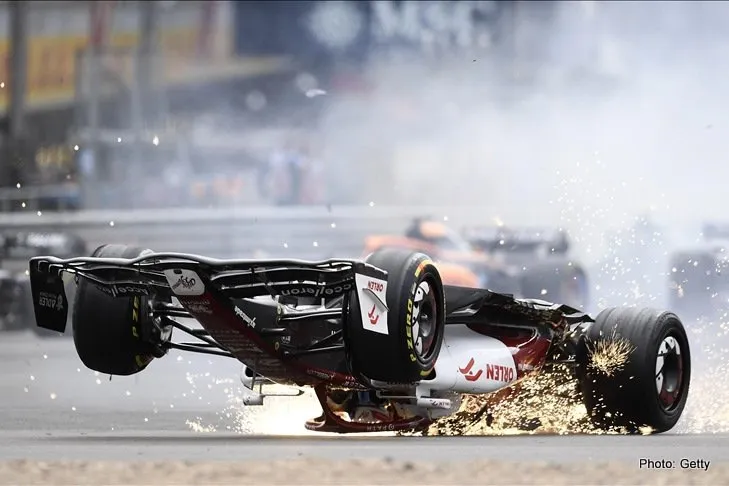
From Ayrton Senna's 1994 crash in Formula 1 to Dale Earnhardt's 2001 incident in NASCAR, the landscape of motorsports has been dotted with tragic accidents.
However, over the years, these events highlighted critical gaps in safety, prompting improved safety standards and innovations. Today, technology and strategic advances have made the world of motorsports safer than ever, with improved track efficiency and unparalleled performance standards.
Many teams also encourage drivers and pit crews to complete a First Aid courses Calgary to strengthen emergency readiness both on and off the track.
In this guide, we explore how these strategies are reshaping high-speed racing, striking the perfect balance between protection and power.
Custom Insurance and Legal Frameworks For Motorsports
In motorsports, the thrill comes with inherent risks–but safety should never be sacrificed in the name of performance.
Luckily, custom insurance and legal frameworks are evolving to better safeguard sportspeople in this sector.
Today, insurance providers offer ad hoc coverage options tailored to the unique needs of high-speed racing and accidents-specific scenarios. Legal protections have also advanced, providing athletes with solid footing in case of mishaps.
For example, if a racer has been involved in a crash in Indianapolis, they can now partner with a specialized lawyer who expertly handles car accident cases in Indiana. This can help them access specialized help, local assistance, and in-depth knowledge of local laws and regulations.
Advanced Barrier Technology

The right barriers can be the difference between life and death on the track. So, it’s easy to see how today’s advanced barrier technology plays a critical role in protecting drivers during high-speed accidents.
Innovations such as the NASCAR SAFER Barrier, which absorbs energy on impact, have boosted the safety of raceways to an unprecedented level. Introduced in the early 2000s, these barriers reduce the g-forces experienced by drivers during crashes by deforming upon impact.
This technological marvel not only protects lives but also reduces the severity of injuries, allowing competitors to race with greater confidence and peace of mind.
More Efficient Driver Protective Gear
Protective gear is paramount in making motorsports safer for all–not just drivers! Over the years, new technologies and innovations have emerged to make the industry as a whole safer.
For instance, the introduction of the halo device in 2018 and HANS device in 2001 revolutionized head and neck protection. Similarly, modern innovations, like F1 biometric gloves, provide real-time health data, monitoring factors such as heart rate and oxygen levels of the driver.
This progression in gear technology ensures drivers are safer, even as performance levels and speeds increase!
Improved Vehicle Safety and Integrity

Over the years, racing cars and motorbikes have developed significantly to improve performance, speed, safety, and driving comfort. For example, carbon fiber monocoques provide exceptional strength without adding weight. Additionally, crash structures designed to absorb and dissipate energy safeguard drivers during impacts.
For example, in Formula 1 and other competitive racing, car designs must meet rigorous safety standards to withstand high-speed collisions. Constant improvements in vehicle construction have played a major role in boosting both performance and protection on the road.
Motorsports Real-Time Digital Monitoring Systems
Studies have seen that certain variables, like fast speed changes, high peak acceleration, and multiple impacts can increase the risk of driver injuries. These variables have been, so far, difficult to monitor. However, today’s technologies have changed the game.
Thanks to cutting-edge digital monitoring systems, these crucial variables, as well as many others, like vital signs and vehicle diagnostics, are tracked in real time. This technology allows teams to foresee and respond to potential dangers quickly, reducing the chances of severe accidents.
Enhanced Driver Safety Training

Driver training is vital in high-performance motorsports, as it boosts both performance and safety on the track. Over the years, training programs have developed significantly.
Today, for example, comprehensive programs include understanding vehicle dynamics and honing precision driving skills.
Additionally, the use of advanced home and VR simulators provides immersive, realistic experiences without the physical risks. These simulators replicate real racing scenarios, enabling drivers to practice making split-second decisions, boosting confidence on the track.
Faster Emergency Response Protocols
Being able to respond quickly to accidents and injuries can be lifesaving in motorsports. And, today, thanks to advances in technologies and safety protocols, drivers can evacuate a car in around 8-10 seconds, while trained medical crews can reach crash sites on circuits within 30 seconds.
These protocols are fine-tuned to ensure that first responders are equipped with the necessary tools and knowledge to act quickly and efficiently.
Track organizers often keep trauma kits required for large events in the medical response area alongside defibrillators and other critical supplies. Clear signage and regular drills let crews reach these items fast when seconds matter.
Committing to Continuous Safety Improvements
Over the decades, motorport tricks have become all the more risky, while speeds have increased exponentially. Just think that modern cars reach over 230 mph–a massive increase compared to about 180 mph in the 1980s!
However, as performance and speed enhance, continued innovation and commitment to safety is critical to ensure that, even at peak velocities, motorsports remain as secure as they are thrilling.
Latest News




Loading