Formula 1, a pinnacle of motorsport, has always pushed the boundaries of speed and performance. However, this quest for the fastest lap times comes with inherent risks. Over the decades, the sport has witnessed numerous tragic accidents, prompting a relentless pursuit of improved safety standards.
From rudimentary precautions to today's high-tech safety solutions, the evolution of safety in Formula 1 reflects a deep commitment to protecting drivers while maintaining the competitive spirit of the sport.
Initially, the emphasis on safety was minimal, often overshadowed by the thrill and glamour of racing. Fatalities were, regrettably, considered part of the game. This perspective began to shift as the voices of drivers and engineers advocating for safety grew louder, spurred by each unfortunate incident on the track.
Today, Formula 1 safety measures are as integral to the sport as the engines that power the cars. Just as safety has evolved in Formula 1, so has the approach to online gaming, with platforms like Lucky Jet Casino ensuring a secure and enjoyable experience for users.
This report traces the major milestones in the evolution of Formula 1 safety, underscoring how each innovation has contributed to making the sport and other high-speed platforms safer for its participants.
Early Days of Formula 1

In the nascent stages of Formula 1 during the 1950s and 1960s, the sport was dramatically different from today's highly regulated races. Safety measures were rudimentary at best, with minimal protective gear and basic car designs that prioritized speed over safety.
The circuits themselves often lacked adequate barriers, and medical facilities at race tracks were primitive. This era, marked by a lack of comprehensive safety protocols, witnessed a high number of fatal accidents, shaping its reputation as a perilous sport.
1970s: The Beginning of Safety Reforms

The 1970s marked a crucial turning point for safety in Formula 1, catalyzed by increasing concerns over the alarming rate of fatalities and serious injuries. Spearheaded by prominent drivers like Jackie Stewart, the movement towards greater safety gained momentum.
Stewart, among others, advocated for better protective gear, the introduction of safety barriers, fireproof suits, and helmets that could withstand high impacts. During this decade, the sport saw the first major implementations of safety features, including mandatory seat belts and the standardization of helmet designs.
These reforms laid the groundwork for a more systematic approach to safety in racing and began the never-ending quest to make the sport as safe as it is today. While motorsport will always be dangerous, nowadays it is by far less fatal.
1980s and 1990s: Technological Advances and Stringent Regulations

The following two decades were characterized by significant technological advancements and the introduction of stringent safety regulations. The 1980s saw the adoption of the carbon fiber monocoque, a revolutionary design that drastically improved the structural integrity of race cars.
This period also introduced mandatory crash tests for Formula 1 vehicles, ensuring that only cars that could withstand severe impacts were allowed on the track.
The 1990s continued this trend with further enhancements. The introduction of the survival cell—an extremely strong compartment designed to protect the driver during a crash—became a standard. Race tracks were also redesigned to include improved runoff areas and more sophisticated barrier systems, reducing the risk of injury during accidents.
These changes, driven by both technological innovation and regulatory mandates, significantly enhanced driver safety, setting new benchmarks for the sport.
2000s: The Introduction of the HANS Device

The turn of the millennium brought with it one of the most crucial safety innovations in Formula 1—the Head and Neck Support (HANS) device. Introduced in the early 2000s, the HANS device significantly mitigated the risk of head and neck injuries, which were common in high-speed crashes.
This device, which forms a bridge between the driver's helmet and shoulders, restricts excessive head movement during collisions, thereby reducing the likelihood of cervical spine injuries.
Its implementation followed extensive research and testing, and despite initial resistance due to discomfort and restricted movement, it soon became mandatory equipment, credited with saving numerous lives on the track.
2010s: The Halo Device and Virtual Safety Innovations

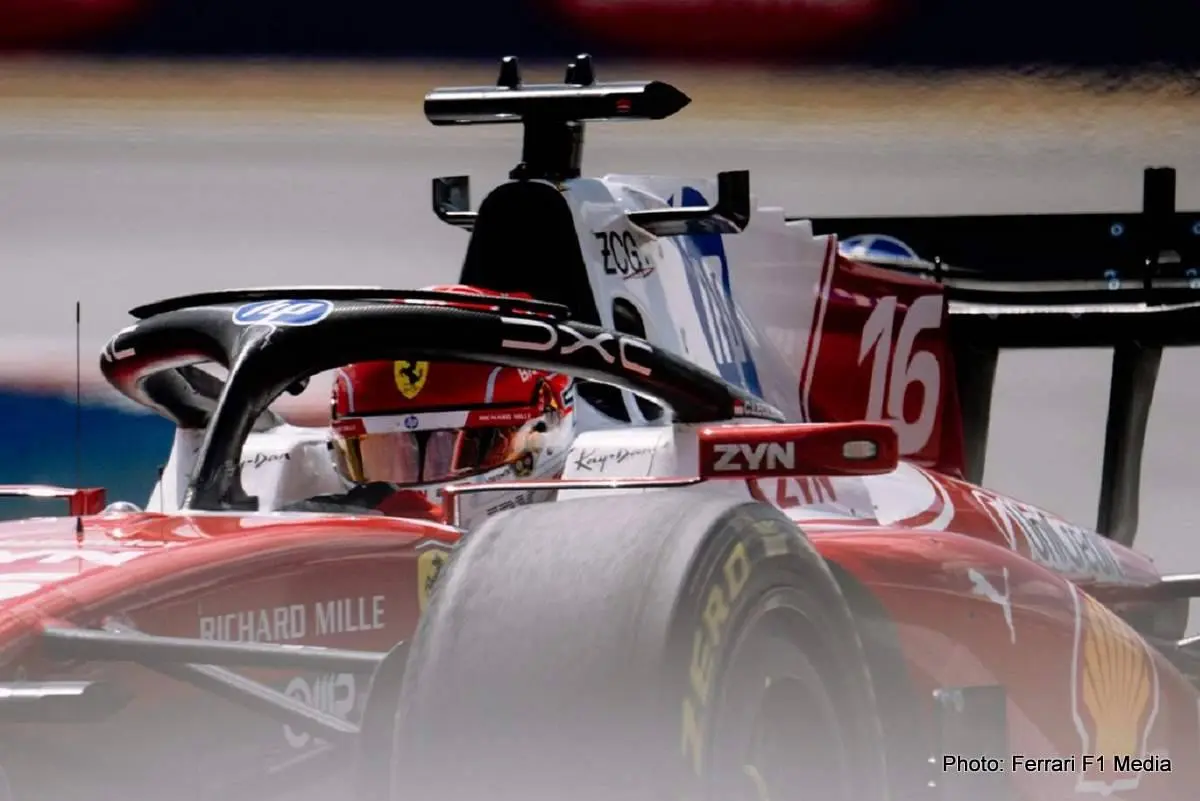
The introduction of the halo device in 2018 marked another significant milestone in the ongoing enhancement of driver safety. This titanium structure, which forms a protective barrier around the driver's head, was designed to deflect debris and withstand heavy impacts.
Like the HANS device, the halo faced initial skepticism from various quarters of the sport—concerns were raised about visibility and aesthetics. However, its effectiveness was undeniable, proven in several incidents where drivers escaped potentially fatal accidents unscathed.
Parallel to physical safety measures, the 2010s also saw advances in virtual safety technologies. The use of virtual safety cars and advanced simulation tools allowed race controllers to manage race conditions more effectively, reducing the risk of accidents by controlling the pace of the cars under caution conditions without needing a physical safety car on the track.
Recent Innovations and Future Outlook

In recent years, Formula 1 has continued to innovate with a focus on improving safety through technology and data analytics. Biometric gloves, which monitor a driver's vital signs and provide crucial health data in real-time during races, have been introduced. Advances in telemetry and real-time data analysis also allow teams and race officials to monitor the status of cars and drivers more closely, enabling quicker responses to accidents.
Looking to the future, the sport is set to embrace more sophisticated safety technologies. Developments in artificial intelligence and machine learning are expected to play a significant role in predictive safety measures, potentially forecasting and preventing accidents before they occur. Additionally, ongoing improvements in materials science could lead to even safer and stronger protective gear and car components.
Case Studies: Key Incidents That Shaped F1 Safety

Several high-profile incidents in Formula 1 history have had a profound impact on the sport's approach to safety. These case studies not only highlight the dangers inherent in motorsport but also illustrate the continuous push for improved safety measures.
Ayrton Senna’s Tragic Accident at Imola, 1994: The death of Ayrton Senna, one of Formula 1's most beloved and talented drivers, during the San Marino Grand Prix was a pivotal moment for the sport. This tragedy accelerated the implementation of numerous safety protocols, including the redesign of racetracks and the mandatory use of improved helmets and other safety gear.
Jules Bianchi’s Accident in Japan, 2014: Jules Bianchi's fatal crash at the Japanese Grand Prix under wet conditions led to significant changes in how races are conducted during inclement weather. His accident was instrumental in the development and implementation of the virtual safety car, reducing speeds across the board to increase safety during hazardous situations.
These incidents, among others, serve as stark reminders of the risks associated with high-speed racing and the necessity for ongoing advancements in safety technology.
Conclusion
The journey of safety in Formula 1 is a testament to the sport's resilience and its capacity for innovation. Each decade has contributed layers of improvements, driven by both tragedy and technological advancements.
The ongoing commitment to safety is evident in every aspect of the sport, from the cars and gear to the regulations and track designs. As Formula 1 continues to evolve, the focus on safety remains steadfast, ensuring that the thrill of racing can be enjoyed with the reassurance that every possible measure is taken to protect the drivers who dare to push the limits of speed.
Latest News


Loading