Some technical insights ahead of the 2026 Formula 1 Belgian Grand Prix
F1 NewsThursday, 16 July 2026 at 09:00
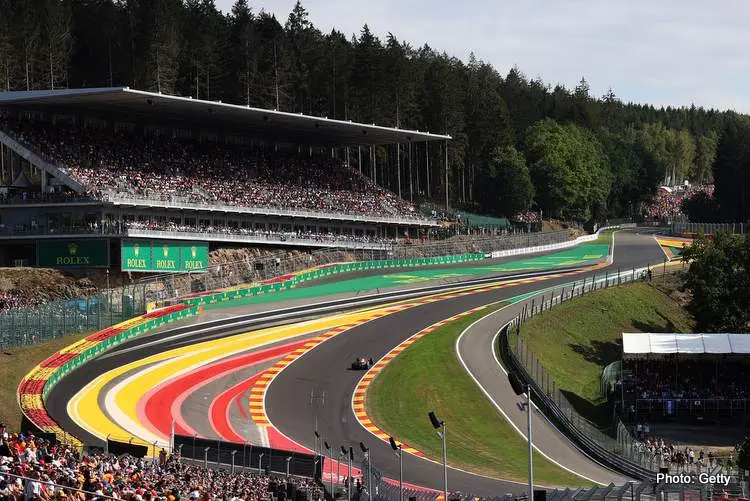
This weekend's Belgian Grand Prix will pose severe energy-management demands with Spa-Francorchamps comfortably being the most energy-sensitive circuit encountered under Formula 1’s 2026 regulations.
The seven-kilometre track combines long flat-out sections with high- and low-speed corners, forcing teams to balance straight-line speed against stability and agility through rapid changes of direction.
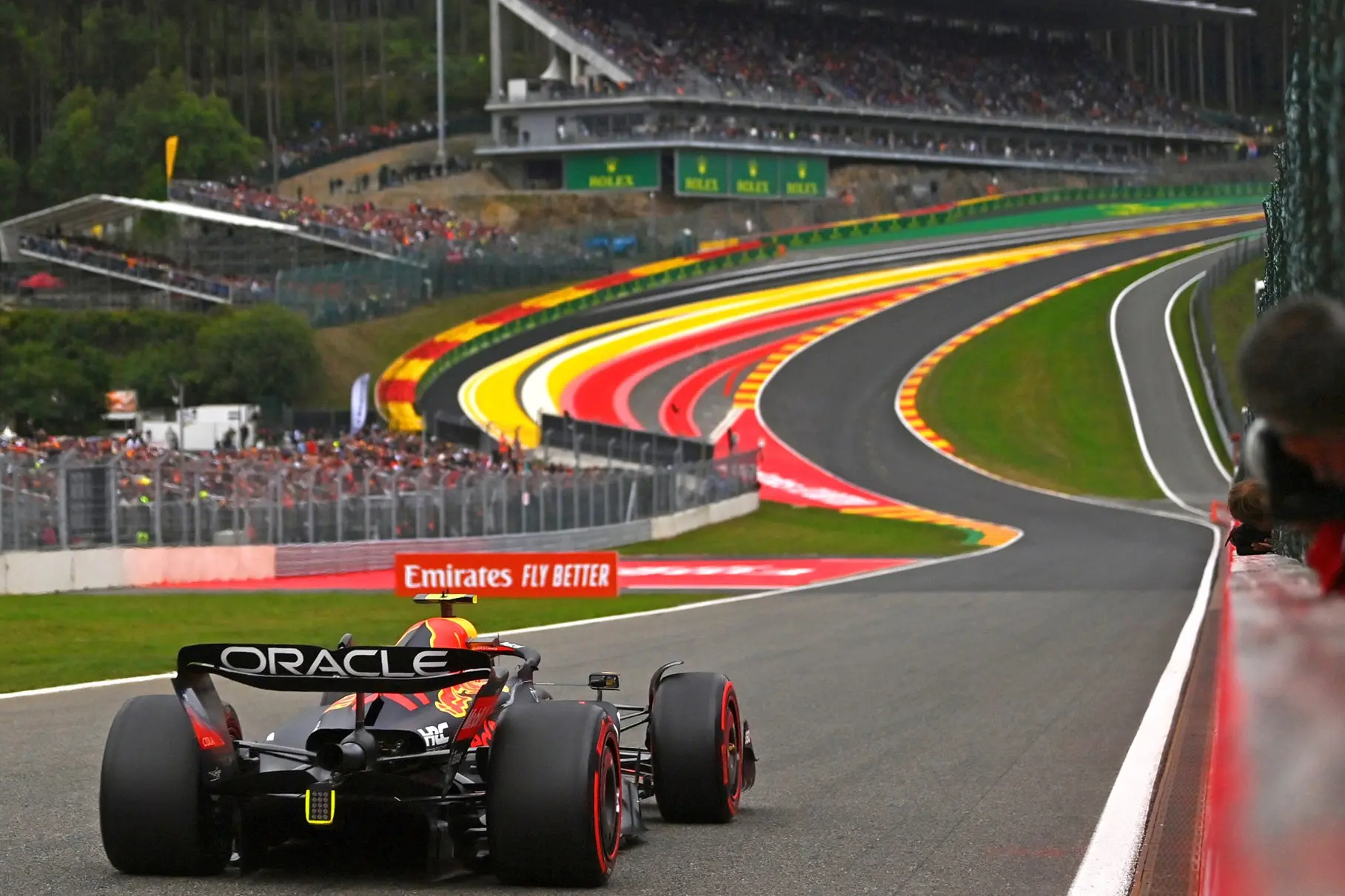
The Eau Rouge and Raidillon sequence adds another technical challenge because suspension travel, front ride height and skid-block wear must be carefully controlled as the cars climb steeply towards the Kemmel Straight.
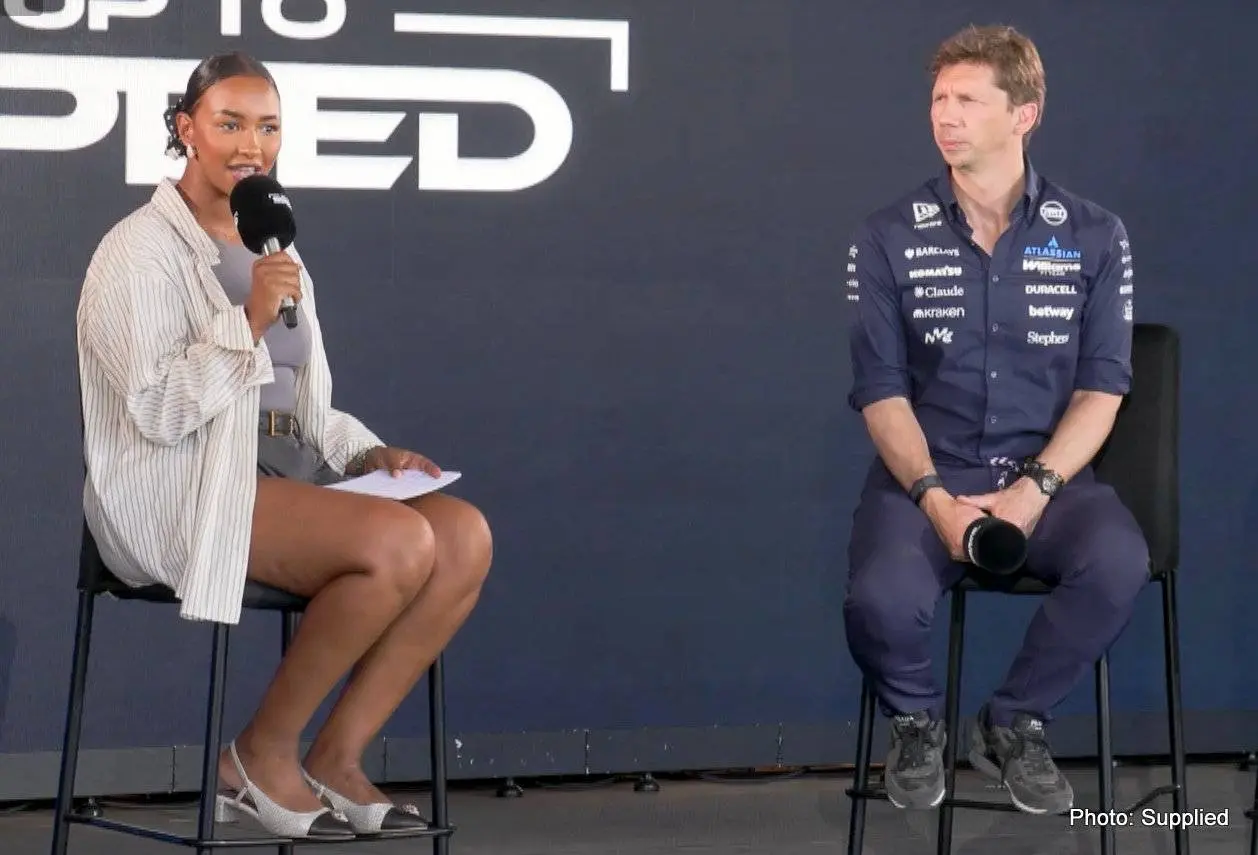
Williams' Chief Trackside Engineer, Paul Williams, said: “Spa is the most energy-sensitive circuit we’ve encountered so far this year, by some margin.”
Energy deployment through Eau Rouge can be adjusted by balancing the deployment profile, overall energy efficiency and the ride-height benefits available from the car’s set-up on the uphill section.
Williams expects to use the full battery operating window several times during the lap. The energy store should be full at Turn 1, depleted by Turn 5, recharged by the exit of Turn 14 and emptied again by Turn 18.
That pattern will leave the middle sector with limited electrical energy, increasing the likelihood of “superclipping”, when the car’s electrical deployment is significantly reduced before the end of a straight.
Williams also predicts the effect to be evident during both qualifying and the race, regardless of whether the cars are running with low or high fuel loads.
Five SLM zones have been added at Spa for 2026 and will remain active in wet conditions. The activation point for the zone between Turns Four and Five has been delayed until the straight section.
Race pace takes priority

Williams believes Spa’s overtaking opportunities will shift the competitive emphasis towards race performance rather than maximizing grid position.
The Belgian circuit is expected to be the second-easiest venue of the season for overtaking, although drivers will need to manage battery deployment carefully when attacking or defending.
Williams said: “Battery management discipline will be crucial in wheel-to-wheel battle. This shifts the balance of priorities towards the race, making low-fuel pace more important than grid position.”
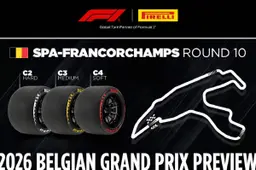
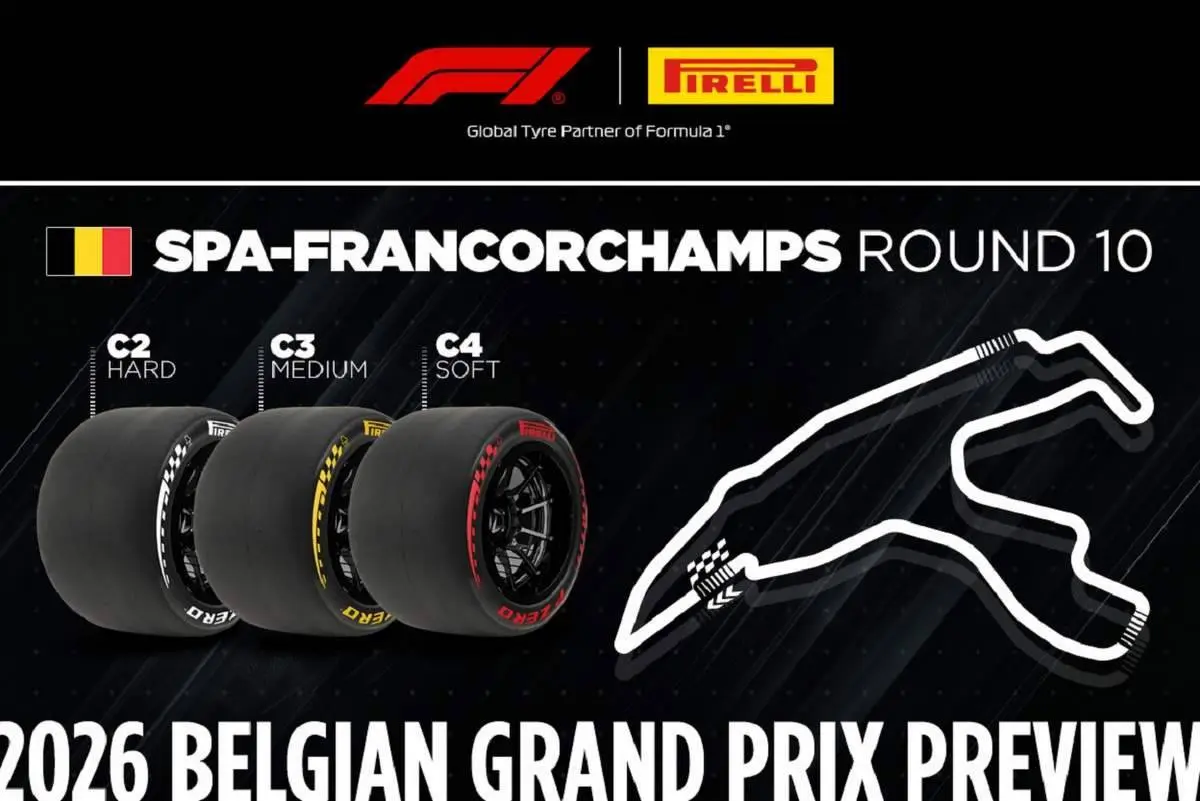
Pirelli has selected its C2, C3 and C4 compounds, placing the allocation in the middle of its range. The absence of a harder step means this year’s hard tyre will effectively be one compound softer than the equivalent selection used in 2025.
Although Spa produces only moderate energy density, its long lap distributes the load relatively evenly across all four tyres.
The extended lap should make tyre preparation less difficult during qualifying than at recent races. Tyre wear, however, is expected to limit stint length during Sunday’s Grand Prix.
Williams anticipates a relatively clear one-stop strategy centered on the hard compound, with teams primarily deciding whether to begin the race on the medium or soft tyre.
Any pre-race plan could be disrupted by Spa’s changeable weather and its high probability of a safety-car intervention.
Williams said the speed with which teams and drivers respond to changing conditions could prove as important as their original strategy.
Latest News
Loading