Pirelli expects heat and weather to complicate Belgian Grand Prix tyre strategies
F1 NewsThursday, 16 July 2026 at 09:15
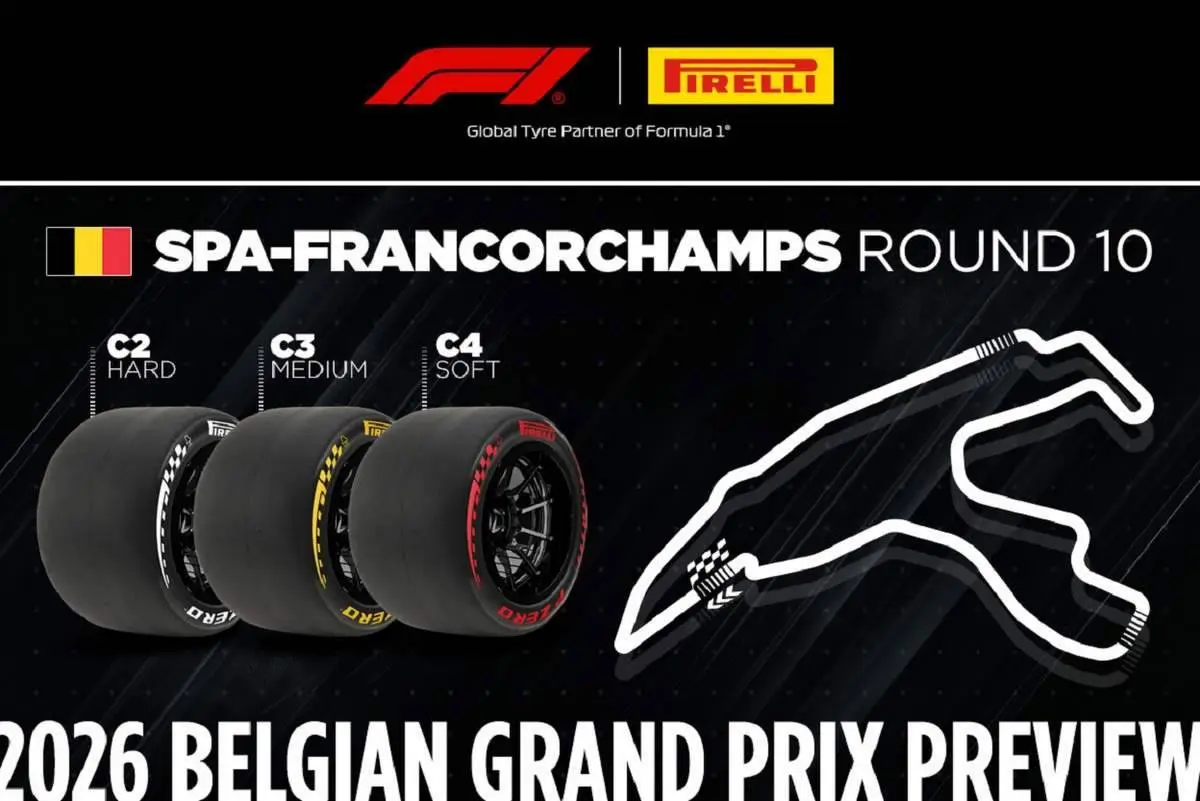
Formula 1 teams face a demanding tyre management test at Spa-Francorchamps, with Pirelli expecting changing weather and potentially high temperatures to influence strategy at the Belgian Grand Prix.
The Italian manufacturer has selected its C2, C3 and C4 compounds for the longest circuit on the Formula 1 calendar, with the two harder tyres expected to play the leading roles in Sunday’s race.
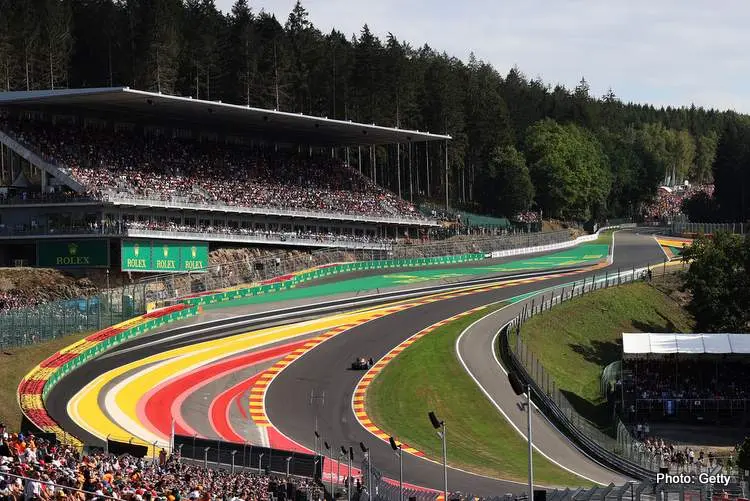
Spa’s 7.004-km layout combines long straights, high-speed corners and the largest elevation change of the season. Those characteristics place significant loads and forces on the tyres, although Pirelli said the demands remain below those experienced at Suzuka and Silverstone.
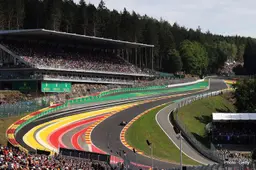
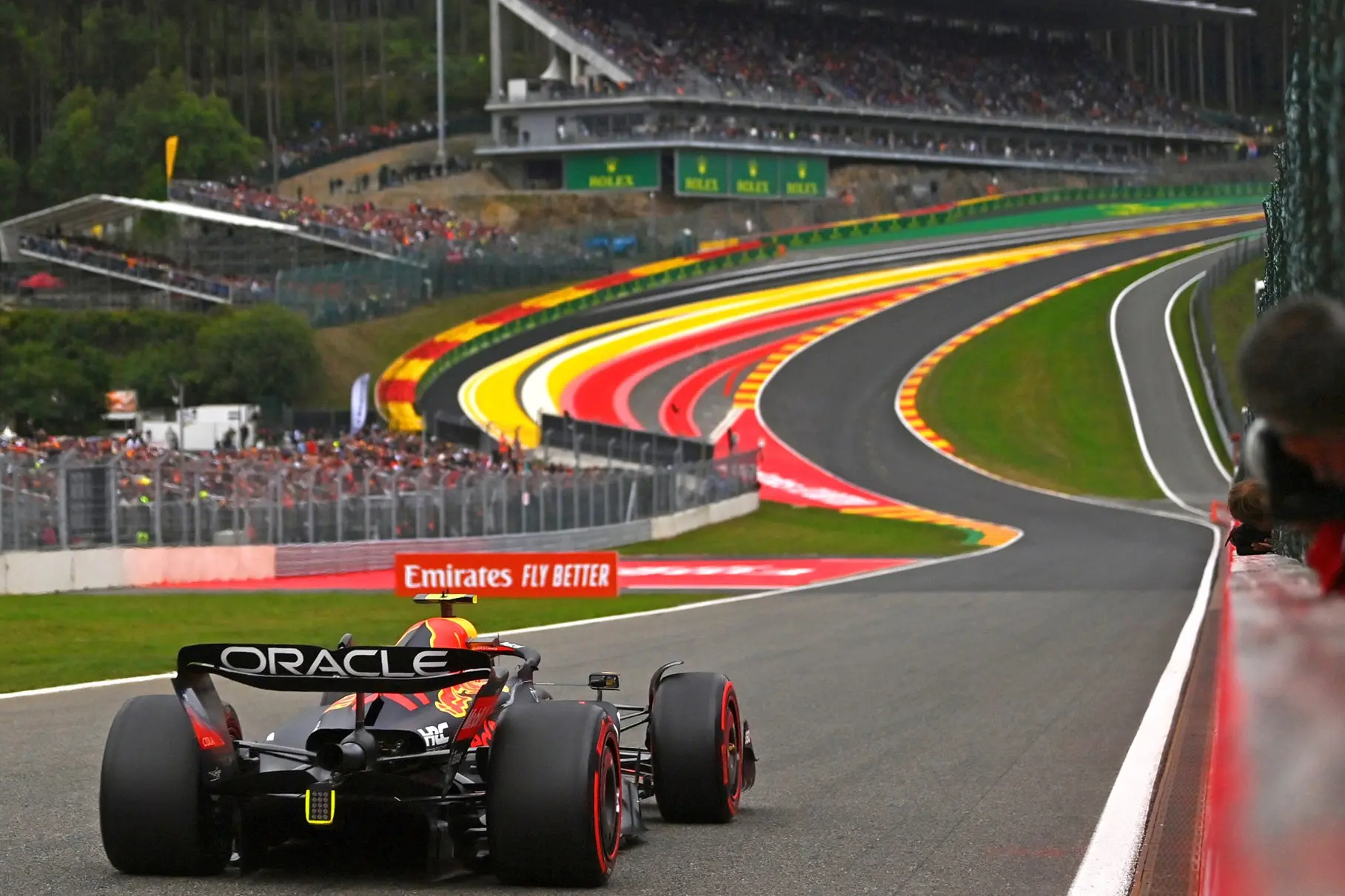
The most severe section runs through Eau Rouge and Raidillon, where drivers negotiate rapid changes of direction while climbing steeply towards the Kemmel Straight.
Grooves have been added to the asphalt in that area to improve water drainage and visibility during wet conditions.
Weather remains one of the biggest uncertainties at the Belgian venue. Spa’s location in the Ardennes forest creates a distinctive microclimate, with rain clouds often remaining over the circuit and leaving sections of the track wet while others dry.
Those mixed conditions can make the decision between slick and intermediate tyres particularly difficult, especially around a lap lasting more than seven kilometres.
The track was completely resurfaced two years ago and usually provides relatively little grip at the start of the weekend. However, rubber left behind during the recent 24 Hours of Spa GT race could improve grip levels.
Three sectors to master

Each of Spa’s three sectors presents teams with a different technical challenge. The opening sector rewards straight-line speed, while the middle section features a series of technical medium-speed corners, many of them downhill.
The final sector is more flowing and climbs gradually towards the Bus Stop chicane and start-finish line.
Teams have traditionally faced a difficult compromise between reducing drag for the straights and generating enough downforce for the technical sections.
Pirelli expects Formula 1’s new aerodynamic regulations to make that balance easier to achieve. Cars can use higher-downforce configurations through the corners before switching to a lower-drag straight-line mode.
Energy management will also be central to performance. Drivers must manage the power unit’s electrical deployment while ensuring sufficient energy is recovered around a circuit offering limited braking opportunities.
Temperatures could further influence tyre behaviour and race strategy. Track temperatures exceeded 55 degrees Celsius during the 24 Hours of Spa at the end of June.
Similar conditions during the Grand Prix weekend would increase thermal degradation and make a two-stop strategy more likely.
Spa hosts the penultimate round before Formula 1’s summer break and has been part of the World Championship since its inaugural season in 1950.
Latest News

Loading