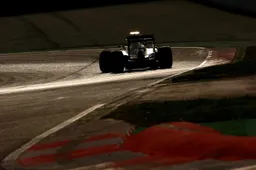
The lack of close, compelling racing in Formula 1 has been evident for a few years now, particularly with front wings becoming more and more complicated in design.
What used to be a minimalist front spoiler evolved through years of engineering development and regulation changes into an apparatus consisting of hundreds of tiny flaps and pieces. It has been widely suggested that because of the complicated aerodynamics of a Formula One car, they couldn’t follow each other.
I won’t pretend to possess engineering knowledge but the way I see it, a car’s front wings are primarily designed to cut through clean, undisturbed air. Thus, when the wing suddenly meets the turbulent air that a car in front leaves in its wake, the following car experiences reduced downforce and loses grip.
As much as the following car wants to continue trailing the car in front, the lack of downforce overworks the tyres of the follower and he eventually has to back off and return to clean air. Gotta save those soft, brittle tyres, right?
If the problem is seen in this manner, sturdier, low degradation tyres could be a simple solution. That way, drivers wouldn’t have to exasperatingly micromanage their tyres in order to attack the car in front.

Looking back at the 2010 season, Bridgestone was the lone tyres supplier and they produced tyres with degradation so low that one-stop strategies were par for the course. In the Valencia race, Kamui Kobayashi was on his way to lasting a full race distance on one set of tyres before making his mandatory pit stop with less than a handful of laps to go.
Back then, pit stops were kept to a minimum and tyre choices were simple with just the prime and option compounds. More time on the track meant the racing was left on the track—not on pit lane, let alone Qualifying. Even without DRS, close battles on track, not to mention a thrilling five-driver championship fight over the last few races were still produced.
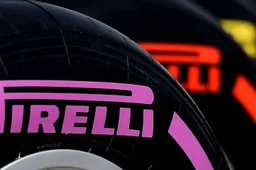
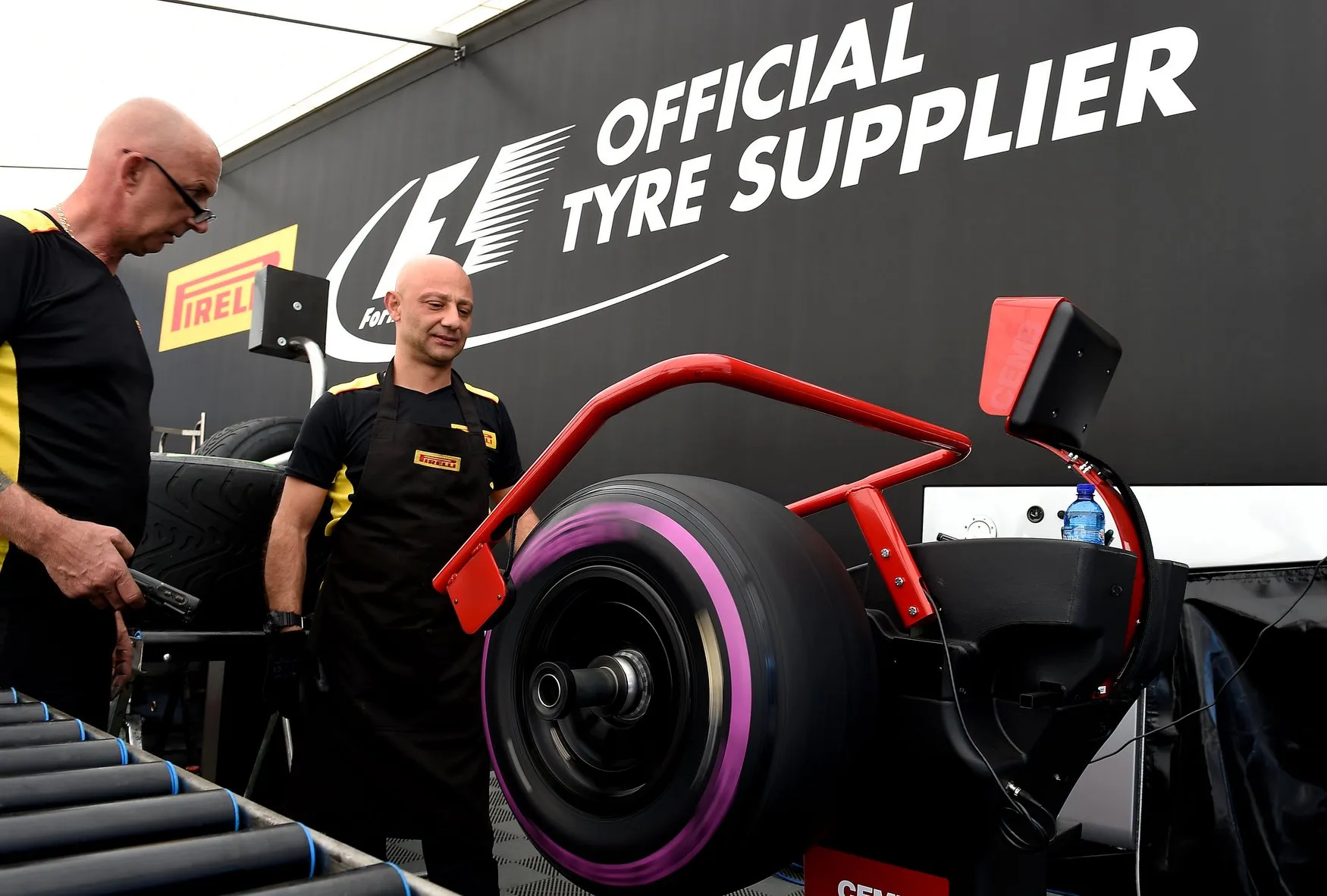
This is why I’ve always been skeptical about Pirelli’s introduction of the new Ultrasoft tyre compound in an effort to reduce lap times. This faster compound may help someone elevate his position in Qualifying but the tyres are next to useless in the actual race because of high degradation.

This wouldn’t produce the overtaking and risk-taking that spectators want to see. For me, the focus shouldn’t be on lap times in F1 right now. At this rate, we might as well consider Qualifying the actual race and then have the cars parade around the track until 300 kilometers are completed the following day.
Although F1 cars are still spectacular to watch, races aren’t anymore the same compelling thrillers that they were a few years back when drivers can trail other drivers for laps on end.
Now that new regulations are imminent, it looks like the rules are still trying to push the cars towards quicker lap times.
Single lap pace is not the problem that F1 should be addressing—it’s the quality of racing on Sundays that should be improved. And in my opinion, perhaps low degradation tyres that can take a good beating are what should be (re-)introduced.
Thoughts of an armchair Formula One and motorsports pundit. Also a general collection of essays or reviews on a variety of topics I happen to feel like writing about.
Latest News


Loading