Power unit reliability a key factor for Formula 1 teams in 2026
F1 NewsSaturday, 17 January 2026 at 07:30
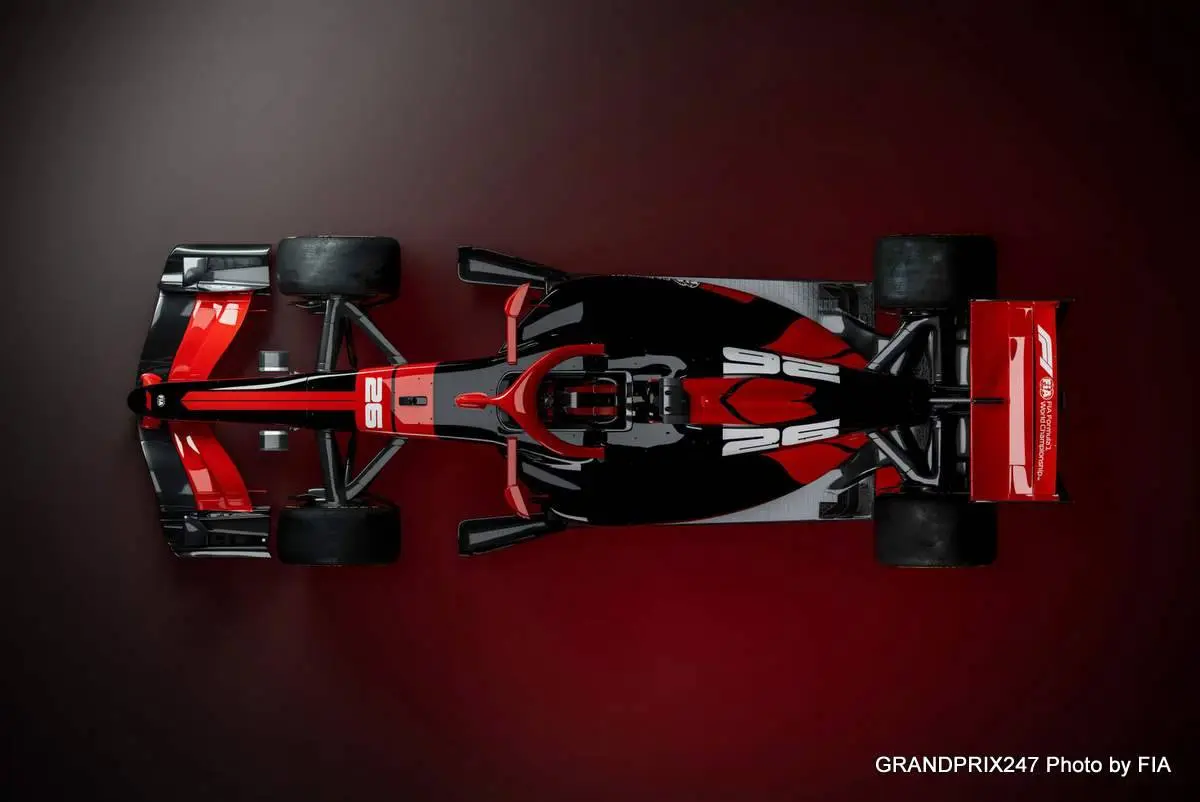
As the Formula 1 teams are working hard in their final preparations for the 2026 season with its new rules, power unit reliability will be a key factor they will be working on.
The 2026 F1 regulation change is the biggest the sport has gone through in years, but it will naturally pose new challenges for the teams, especially in the power unit department.
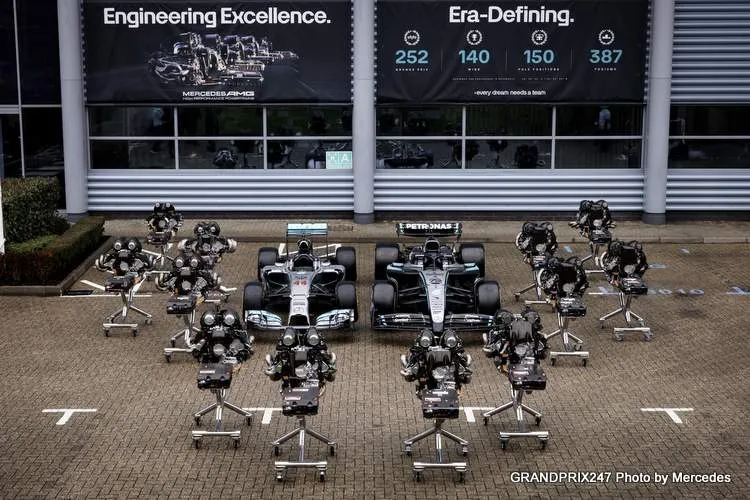
We all recall back in 2014 how Renault struggled with Sebastian Vettel, then a defending F1 World Champion, spending most of pre-season testing pushing his fragile Renault-powered Red Bull around.
The same happened to Honda when they started powering McLaren in 2015, as they suffered reliability woes with their ambitious compact concept.
When you have a new power unit, you need to make sure it is reliable in order to extract the maximum performance while also assuring mileage crucial for data collection.
It may go bang

Former Ferrari engineer Jock Clear touched on the reliability topic in 2026 and said: "With the new regulation changes, one of the key factors for all the teams will be reliability.
"When you've got some new technology and it has as much impact on the performance as it does at the moment, can engineers keep that intact during the race?
"For example, if you have a new aerodynamic bit, you can get it reliable in the wind tunnel, you can get it reliable on the rig, you can make sure it all holds together, it's going to deliver what it's going to deliver, and it shouldn't be too difficult to get on top of that.
"If you have a completely new power unit, you have a very intrinsic connection between the amount of performance you're trying to get out of it and its reliability.
"That is to say, in old terms, if you turn up the wick, it's more likely to go bang. So, you can squeeze some more performance out of it if you really want to, but that's going to impact your reliability, so that's the part of the curve that everybody's going to be on a very steep slope of."
Reliability won't eradicate breakdowns though

The previous generation of power units became almost bulletproof as the outgoing set of regulations matured, but that did not fully eradicate breakdowns.
Clear recalled: "When we look back at last year, we're all looking at that Zandvoort engine failure for Lando Norris, costing him 18 points, which was a standout because nobody expected that.
"Engines have been super reliable recently. If you have that level of reliability, you're going to be scoring points. But to achieve that reliability with this new power unit, you're going to have to be running them fairly conservatively; that's a compromise that is going to be very difficult.
"I think reliability will suddenly become much more important to the teams," the engineer went on. "It won't become very important to the fans, unfortunately, but it will become very important to the teams early on, to establish where they can get to in terms of reliability, and therefore, I think that might well be the focus in the early days.
You need mileage to develop

"That will detract a bit from the pure performance," Clear pointed out. "You may well see that some of the teams are not really pushing themselves too hard to establish a level of reliability.
"Because, if you're not reliable, it's amazing how quickly you don't learn. If you miss a session in free practice, that's a tenth straight away that you've lost in terms of performance, simply because you're not learning enough about the tyres.
"If you haven't got a car that can do all three days of pre-season testing, bang, bang, bang, 600 kilometers a day, or whatever, then you're going to be losing out on a huge amount of information that you need.
"So reliability will be crucial," Clear concluded. (Source: CasinoHawks)
Latest News








Loading