Are Formula 1 Sprint Races Actually Improving or Hurting the Sport
F1 OpinionSaturday, 17 January 2026 at 06:18
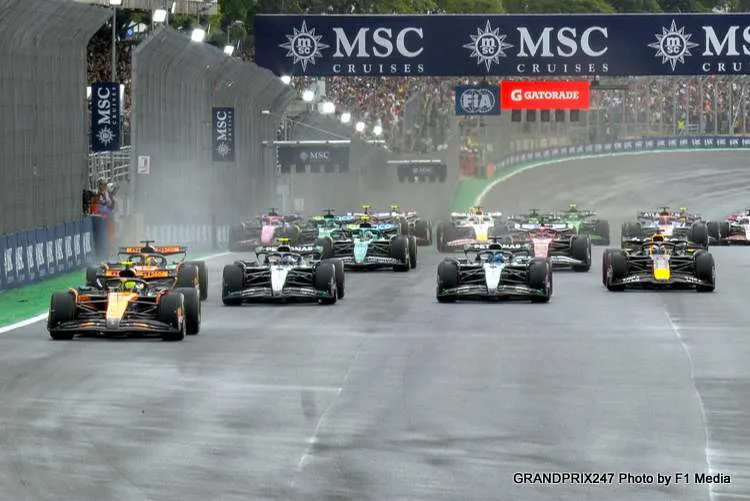
Sprint races were introduced with the promise of adding excitement, unpredictability, and more meaningful action to race weekends, but several seasons on, the debate is more divided than ever.
Formula 1 has always balanced tradition with innovation. The introduction of sprint races was one of the most significant format changes in recent decades, aimed at modernising the sport and increasing engagement across the full race weekend. Instead of a single Grand Prix deciding everything, selected weekends now include a shorter race that awards points and sets the grid for Sunday.
Supporters argue this creates more action, while critics believe it undermines the value of the main event. As with sponsorships, partnerships, and even unrelated brand visibility in the paddock from companies such as legiano casino, the sprint format reflects Formula 1’s broader push toward commercial growth alongside sporting evolution. Whether sprint races are genuinely improving the sport or quietly damaging its core remains an open question.
What Sprint Races Were Designed to Fix
Sprint races were introduced to address a long standing criticism of Formula 1 weekends, that Fridays and Saturdays often lacked meaningful competition. Traditional qualifying delivered tension, but once grid positions were set, Saturday afternoons could feel anticlimactic. Sprint races were designed to give fans a reason to tune in across all three days.
From a commercial perspective, the format has largely succeeded. More competitive sessions mean higher broadcast value, stronger ticket sales, and greater social media engagement. For newer fans, especially those coming from series with constant on track action, the sprint format feels more accessible and entertaining.
Sportingly, sprint races were meant to reward aggression. Drivers are encouraged to fight for every position because points are available and grid positions can be gained or lost. In theory, this should reduce conservative strategies and increase overtaking. In practice, the results have been mixed. Some sprints deliver intense wheel to wheel racing, while others quickly settle into processional runs due to tyre preservation and risk management.
How Sprint Weekends Change Team Strategy

Sprint races fundamentally alter how teams approach a race weekend. With fewer practice sessions, teams must commit to setups earlier, often with limited data. This places a premium on simulator preparation and driver feedback, while reducing the scope for experimentation.
For top teams, this can reinforce existing advantages. Organisations with strong simulation tools and deep engineering resources adapt quickly, while smaller teams have less room to recover from a poor initial setup. A mistake on Friday can compromise both the sprint and the Grand Prix, amplifying its impact.
There is also a strategic tension around risk. Sprint races offer fewer points than a Grand Prix, yet incidents can damage cars and force component changes. Teams must decide whether pushing hard on Saturday is worth potentially compromising Sunday. As a result, many drivers adopt a cautious approach, especially in the midfield, which can limit the spectacle the format was meant to create.
Fan Experience and the Value of the Grand Prix
One of the strongest criticisms of sprint races is that they dilute the importance of the Grand Prix itself. When overtakes, drama, and key moments occur on Saturday, Sunday can feel like a continuation rather than a climax. For purists, the Grand Prix should remain the singular focal point of the weekend.
There is also the question of narrative clarity. Casual viewers may struggle to understand why grid positions change multiple times or why a driver who finished ahead on Saturday starts behind on Sunday. While dedicated fans adapt quickly, complexity can create barriers for wider audiences.
That said, sprint races have undeniably produced memorable moments. Bold moves, surprise results, and intensified rivalries have added layers to the championship story. When executed well, a sprint weekend can feel richer and more dynamic than the traditional format.
The challenge for Formula 1 is deciding whether these benefits outweigh the risks to sporting purity and competitive balance. Sprint races have changed how fans consume the sport, but whether that change strengthens or weakens Formula 1 depends largely on what viewers value most: tradition, strategy, or constant action.

Latest News


Loading